AI Generated Image
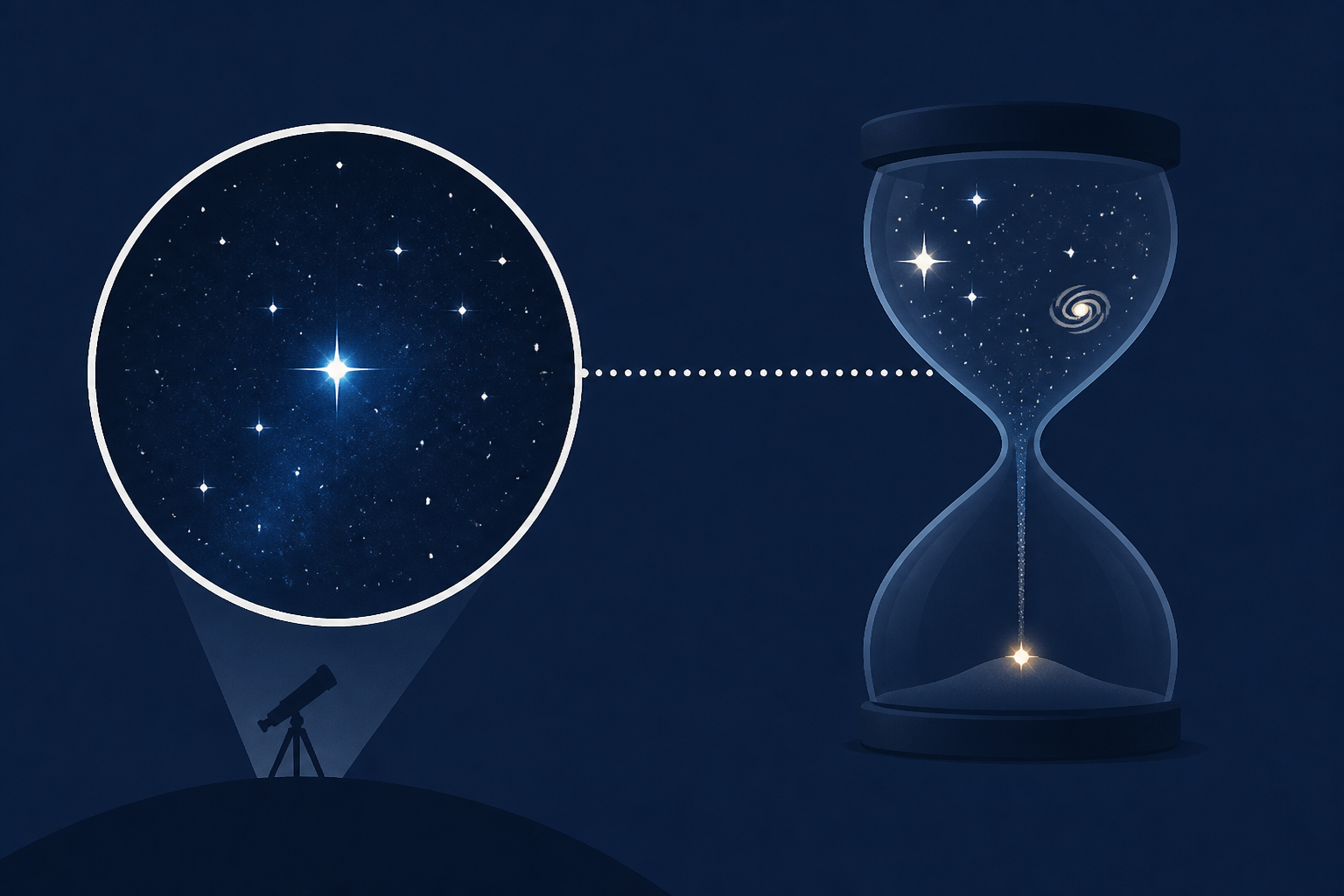
The popular claim that every star you see is already dead is the opposite of true — naked-eye stars are so relatively close and live so extraordinarily long that astronomers estimate only about one di
Space Daily • • science
Key Points:
- The common belief that most stars visible to the naked eye are already dead is incorrect because these stars are relatively close (within about 4,000 to 10,000 light-years), and their lifetimes far exceed the light-travel time to Earth.
- Stars visible without telescopes are mostly within the Milky Way and have lifespans ranging from millions to trillions of years, making it unlikely that the light we see today comes from stars that have already ended their life cycles.
- Estimates suggest that, on average, only one naked-eye star dies every 10,000 years, indicating stellar deaths are rare within the local visible population and that most stars we see are still "alive" in an astronomical sense.
- The example of Betelgeuse, a red supergiant about 700 light-years away, illustrates that while it could have exploded without our knowledge due to light-travel delay, current models predict it will not go supernova for another 100,000 years, making such an event improbable.
- The myth arises from confusing the deep-time observations made possible by powerful telescopes (which can see stars that died billions of years ago) with the local stars visible to the unaided eye, which are almost all still shining today.


