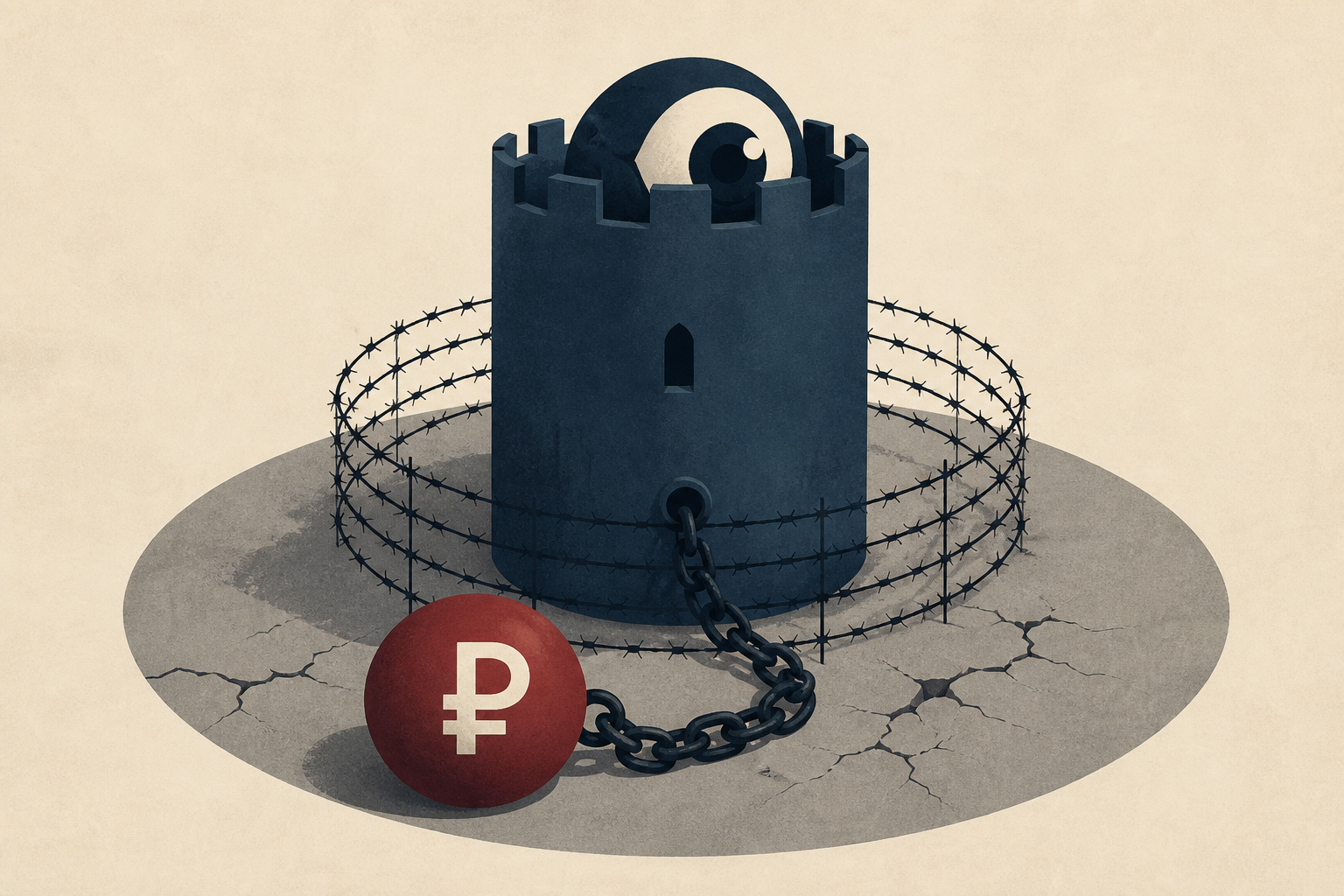
AI Generated Image
The Price of Russian Paranoia
Foreign Affairs • • world
Key Points:
- Since the 2022 invasion of Ukraine, the Kremlin has intensified repression and social control in Russia, shifting its domestic security focus from counterterrorism to extensive counterintelligence aimed at rooting out spies and perceived foreign agents within society and government.
- The FSB has expanded its reach by arresting numerous officials across ministries and industries on charges often related to espionage and treason, using these prosecutions as warnings to enforce strict obedience among elites and civil servants.
- This intensified spy-hunting approach, rooted in Soviet-era counterintelligence doctrine, has increased regime stability and FSB influence but has also created widespread fear, mistrust, and paralysis within government institutions and private sectors, undermining effective governance.
- The pervasive security oversight has led to significant withholding of information, suppression of data publication by state agencies, and reluctance to engage in foreign scientific and technological cooperation, further weakening Russia’s administrative and economic capacities.
- While the counterintelligence strategy has helped the Kremlin maintain control during the protracted war, it risks long-term damage by eroding feedback mechanisms essential for governance, potentially making the regime more vulnerable to political crises.


