AI Generated Image
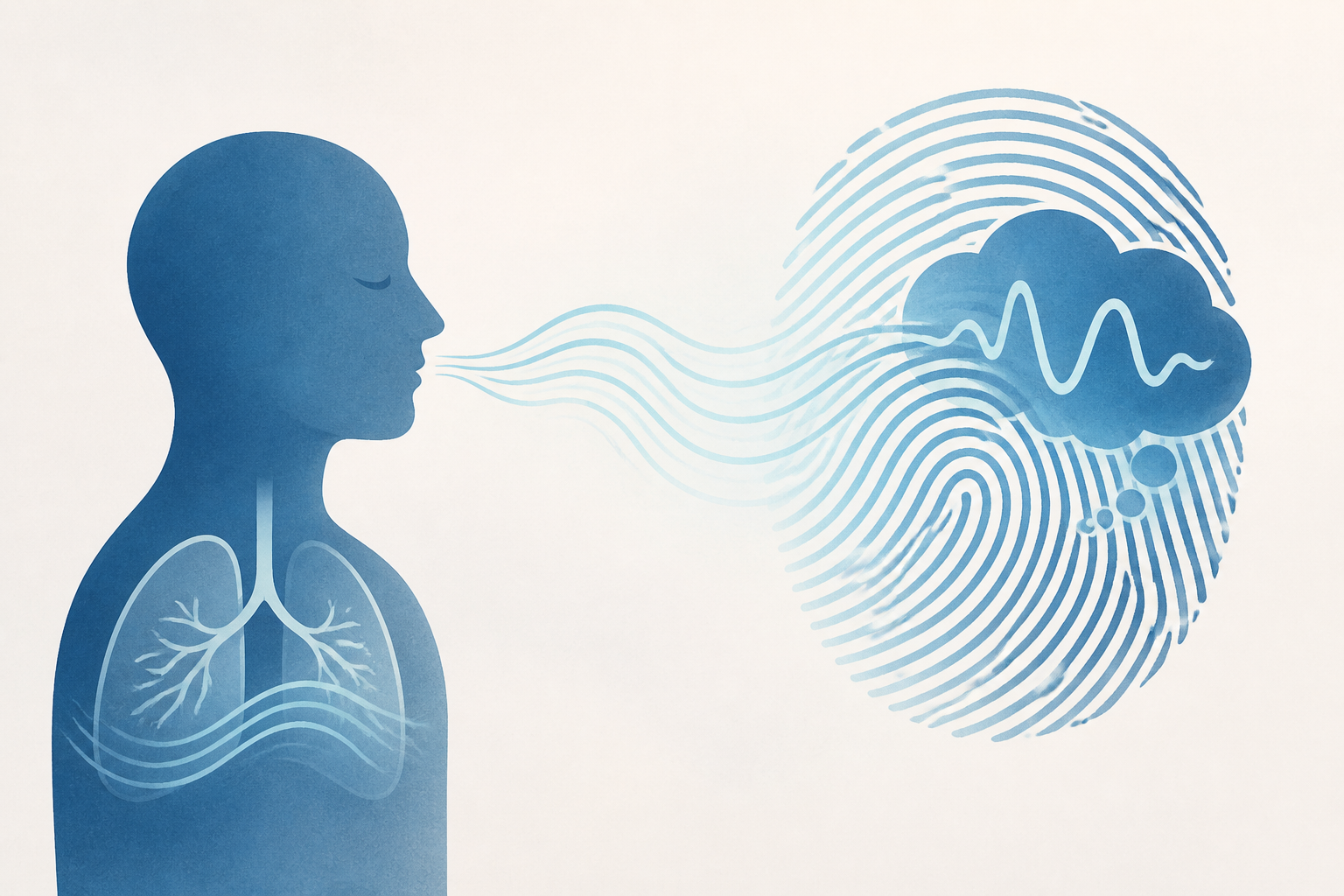
The Rhythm of Your Breath Leaves a Fingerprint on Your Thoughts
Nautilus | Science Connected • • health
Key Points:
- Ancient philosophies from Hinduism and Ancient Greece linked breath to thought and mind stability, a connection now supported by modern cognitive science showing breath impacts memory, attention, and emotional sensitivity.
- New research published in the Journal of Neuroscience reveals that brain electrical activity tracks the detailed shape of each breath on a millisecond scale, suggesting a more intricate relationship between breathing and cognition than previously understood.
- The study, involving epilepsy patients undergoing brain electrode implantation, used a data science approach to analyze breath patterns beyond simple rate measures, capturing rich variability in breathing shapes and their neural correlates.
- Breathing acts as a bridge between voluntary and involuntary nervous systems, allowing conscious control over breath to indirectly influence heart rate and emotional states, which supports therapeutic practices for anxiety and PTSD.
- While the study's use of treatment-resistant epilepsy patients may bias findings, it provides a unique opportunity to explore brain-body interactions and holds potential for developing predictive tools to anticipate respiratory issues such as sudden death in epilepsy (SUDEP).


