AI Generated Image
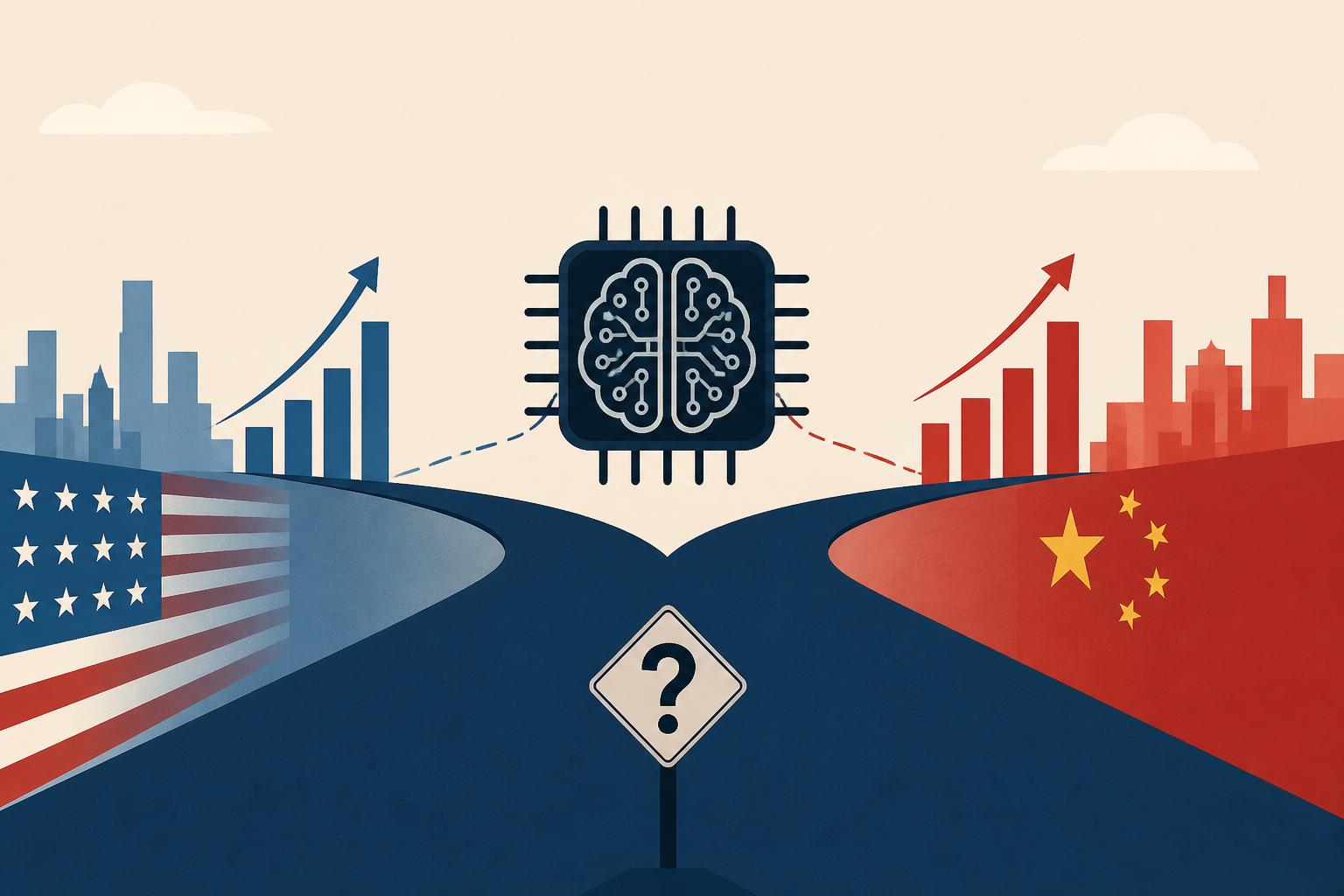
The US might lose the AI race to China. Should Americans care?
vox.com • • business
Key Points:
- The release of China's AI model Kimi K3 by startup Moonshot has alarmed Washington and Silicon Valley, signaling that Chinese AI development is rapidly closing the gap with US leaders like OpenAI and Anthropic, potentially reducing the US lead to just a few months.
- US concerns about Chinese AI focus on cybersecurity vulnerabilities, military applications, and the potential spread of authoritarian digital influence, with fears that Chinese models may be exploited for cyberattacks, enhance China's military capabilities, and export censorship aligned with the Chinese Communist Party's values.
- There is debate over the appropriate US response, with some advocating export controls and bans on "open-weight" AI models, while others warn that restrictive policies might hinder US innovation and inadvertently boost the appeal of Chinese AI technologies globally.
- The competition extends to the race for artificial general intelligence (AGI), with US officials viewing it as a geopolitical race akin to the nuclear era, while Chinese leaders tend to see AI more pragmatically as a productivity tool rather than a strategic weapon.
- Despite the geopolitical stakes, AI is a dual-use technology with widespread civilian applications, and the challenge for the US lies in balancing national security concerns with fostering innovation and avoiding policies that could worsen global AI governance or technological divides.


