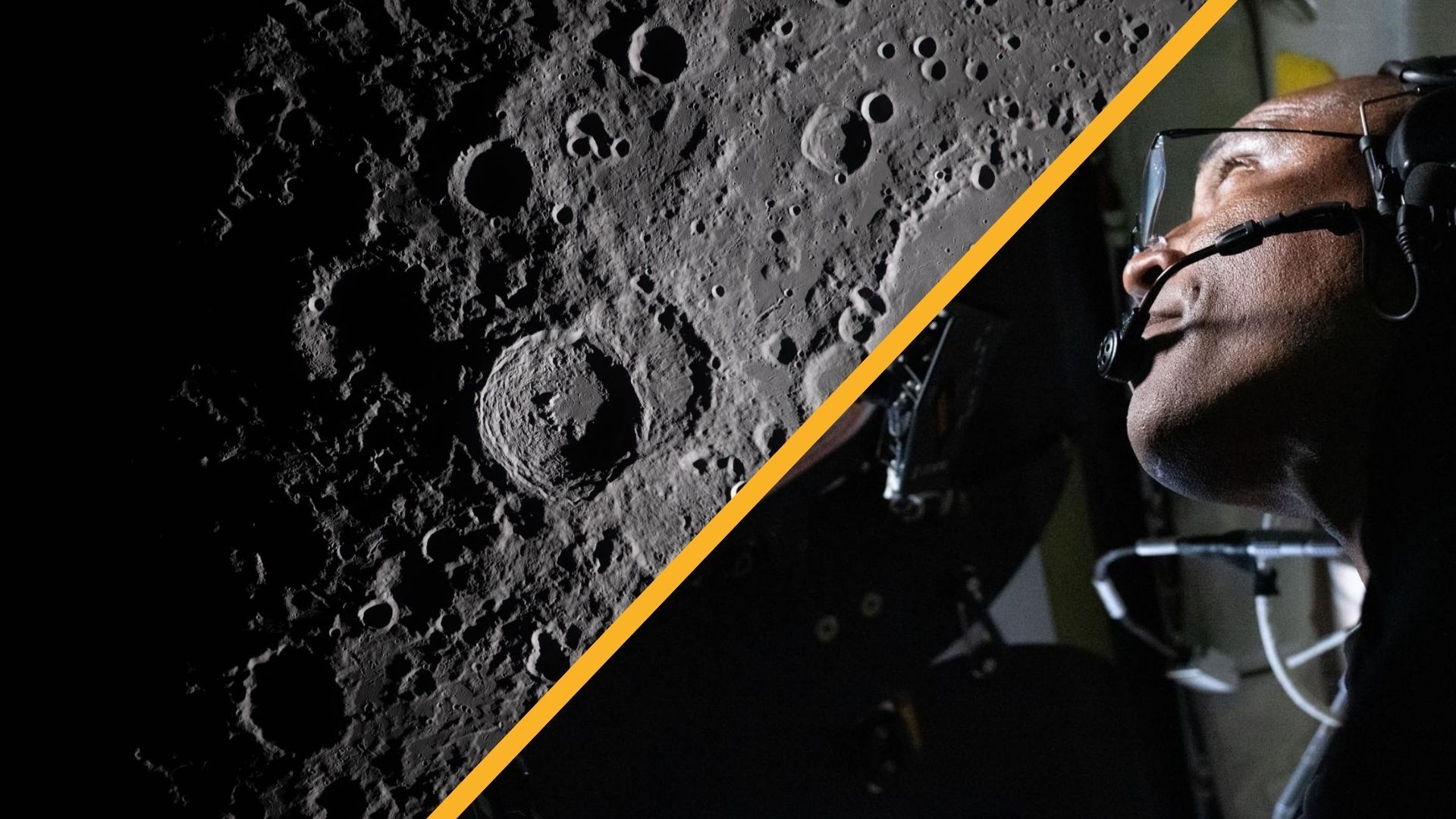
There were 'audible screams of delight': Why Artemis II sightings of meteor flashes on the moon have scientists giddy
Live Science • • general
Key Points:
- During their April 6 flyby above the moon, Artemis II astronauts observed several bright, fleeting flashes on the lunar surface caused by tiny meteorite impacts, exciting scientists on Earth.
- These impact flashes help researchers track when and where meteorites strike the moon, improving understanding of potential risks to lunar infrastructure and crew safety for future missions.
- The moon’s lack of atmosphere means meteorites hit at very high speeds, making larger impacts a significant concern despite smaller impacts occurring regularly with minimal risk.
- Scientists plan to combine astronaut observations with data from orbiters and future seismometers to better locate impacts, assess their effects, and refine models of lunar impact frequency and intensity.
- Understanding these impacts also aids in studying lunar geology, potential ice deposits for resource use, and the composition of meteorites over billions of years, which is crucial for planning sustained human presence on the moon.


