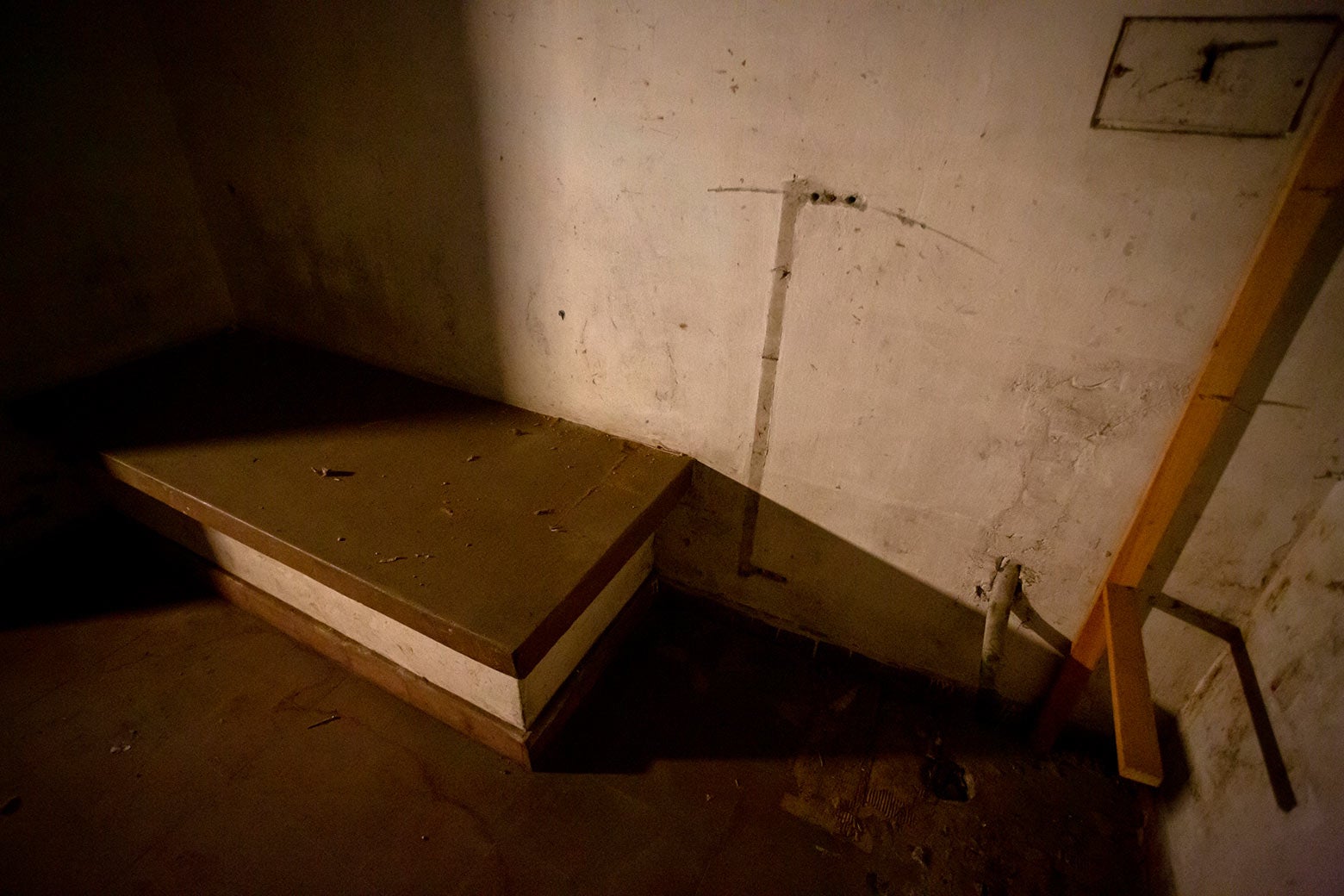
They Had to Clean Solitary Cells. What They Saw Forced Them to Quit.
Slate • • health
Key Points:
- Incarcerated workers at Washington Corrections Center, such as Dennis Repp and Durrell Jackson, perform demoralizing custodial duties in solitary confinement units, including enduring invasive strip searches and cleaning hazardous, unsanitary cells.
- Solitary confinement causes severe mental health issues, including anxiety, depression, and psychosis, and workers witness the distress of prisoners suffering from these effects while lacking adequate protective gear and mental health support.
- Custodians face hazardous conditions cleaning cells contaminated with blood, bodily fluids, mold, and pests, often without proper protective equipment, leading to health risks and emotional trauma, as highlighted by incidents involving suicide attempts and unsanitary behavior.
- Workers report being pressured to work without compensation and face punitive measures for refusing shifts, exacerbating mental health struggles in an environment that offers minimal humane treatment or rehabilitation for prisoners.
- Although Washington state uses solitary confinement at a lower rate than many states and is working to reduce it, more humane treatment, including increased out-of-cell time, showers, family contact, and mental health care, is urgently needed for those in restrictive housing.


