AI Image
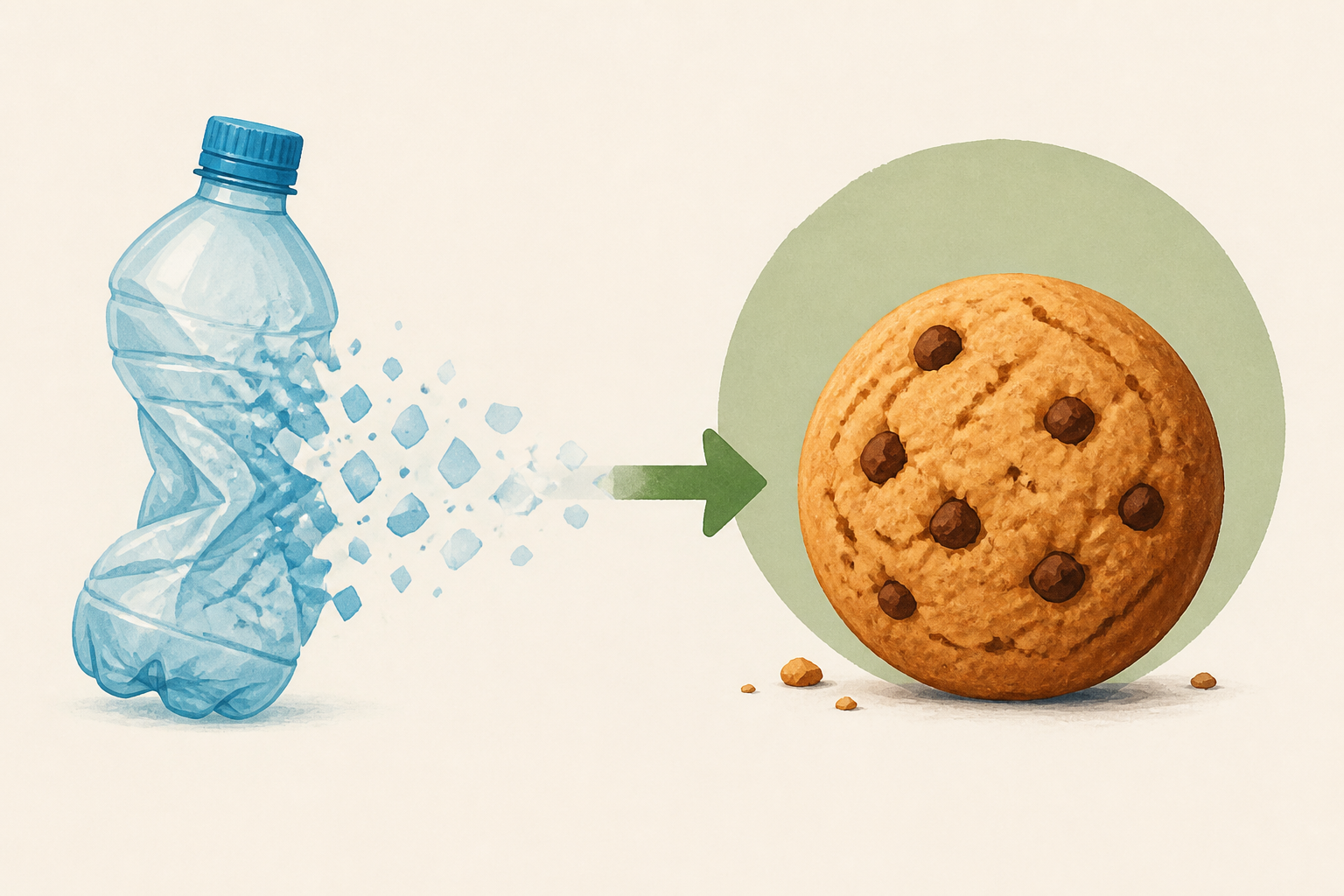
This cookie started as a plastic bottle
The Weather Channel • • science
Key Points:
- Researchers at Southern Illinois University Carbondale, as part of a NASA-led project, have developed a method to convert plastic waste, specifically polyethylene terephthalate (PET), into edible food ingredients using microbes like yeast.
- The process involves breaking down PET plastic into carbon-rich molecules, which microbes then transform into proteins, fats, and acids that can be used to create food products such as protein-rich cookies called microbites.
- These microbites are currently awaiting institutional approval for consumption, but have received positive feedback on aroma, with plans to make them available to the public in the coming years.
- This innovation addresses two pressing global issues by reducing plastic pollution and providing a potential food source to combat food insecurity, offering benefits both on Earth and for future space missions.
- The project exemplifies a sustainable and creative approach to repurposing waste into valuable nutrition, potentially revolutionizing food production for astronauts and communities facing hunger.


