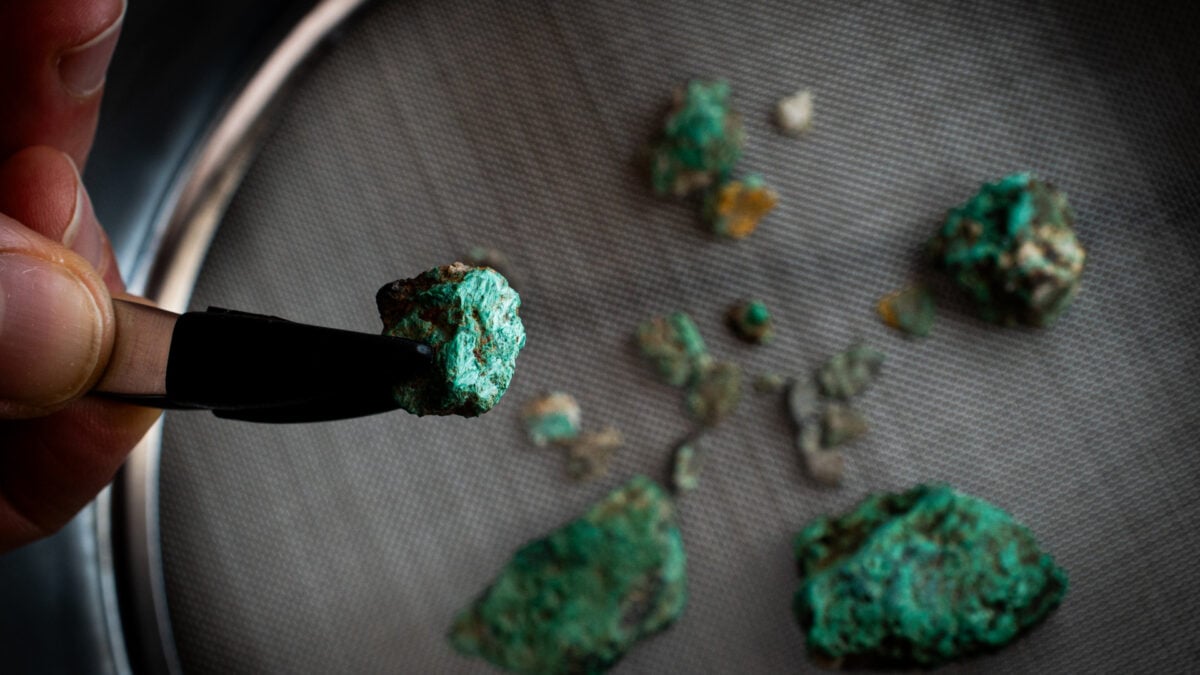
This High-Altitude Cave Drew Humans for Thousands of Years-and These Green Rocks Explain Why
Gizmodo • • world
Key Points:
- Cave 338, located over 7,300 feet in the Pyrenees, was identified as one of humanity’s earliest copper mining sites, with evidence dating back 5,500 years, challenging previous notions that prehistoric people avoided high altitudes.
- Excavations revealed crushed and burnt green mineral fragments resembling malachite, hearths, children’s bones, and jewelry, indicating sustained human activity and deliberate processing of copper ore at the site.
- Radiocarbon dating showed multiple layers of occupation spanning from the early 5th millennium BCE to the late 1st millennium BCE, suggesting intermittent but repeated use of the cave over approximately 4,000 years.
- Researchers believe Cave 338 was not a permanent settlement but a recurring site for collecting and processing copper, highlighting the economic and territorial significance of high-mountain environments for prehistoric communities.
- Excavations continue amid logistical challenges, with hopes to further clarify the cave’s role and deepen understanding of prehistoric human adaptation and resource use in mountainous regions.


