AI Generated Image
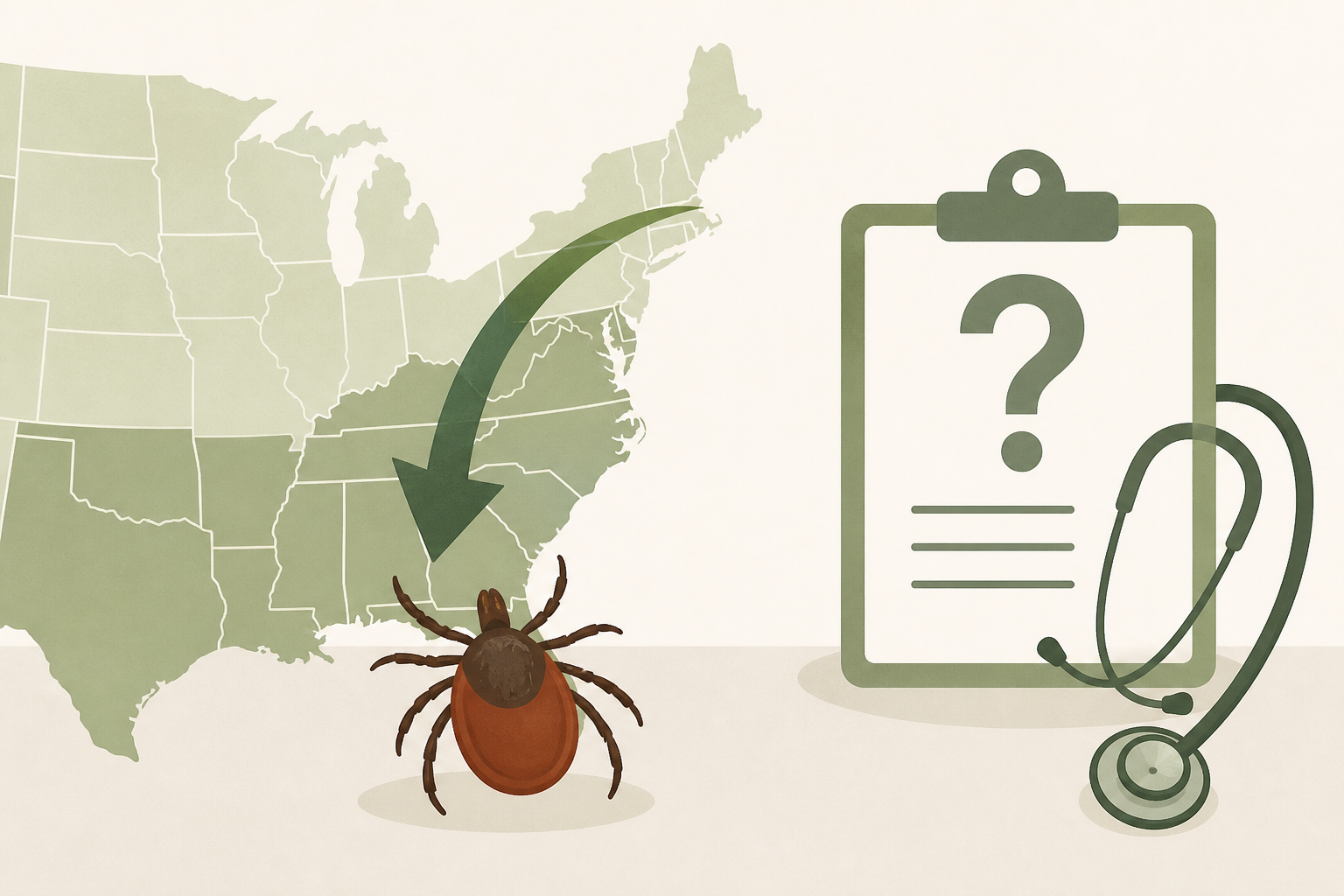
Ticks that cause Lyme and other diseases have migrated south. Are doctors ready?
NBC News • • general
Key Points:
- Angela Newman of North Carolina experienced unexplained symptoms for years before being diagnosed with Lyme disease, highlighting challenges in recognizing the illness outside traditional high-risk areas.
- New CDC research found a high prevalence of Lyme-carrying blacklegged ticks in Biltmore Forest, North Carolina, with infection rates comparable to Northeast states where Lyme is common.
- The study also identified ticks carrying other disease-causing bacteria previously thought to be limited to the Northeast and Midwest, signaling an expansion of tick-borne illnesses in the South.
- Warmer winters and shifting wildlife populations are driving the geographic spread of ticks and tick-borne diseases, increasing risk in new communities across the U.S.
- Experts emphasize the need for improved testing and greater awareness among healthcare providers to diagnose and treat Lyme and other tick-borne diseases promptly, especially in regions not historically associated with these illnesses.


