AI Generated Image
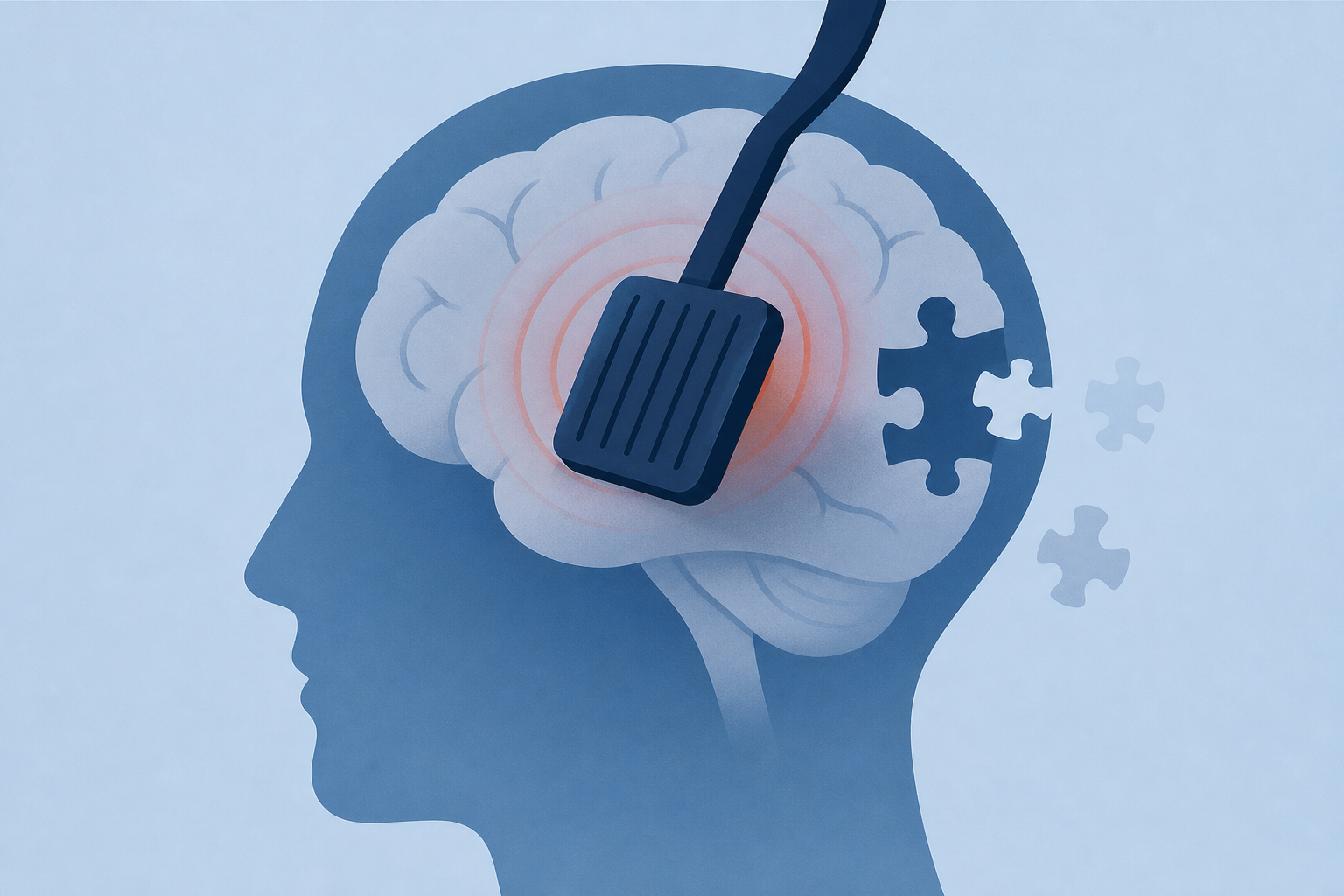
Too much "braking" in the brain may cause age-related memory loss
PsyPost • • health
Key Points:
- A study published in Neurobiology of Disease found that an excess of inhibitory synapses in the prefrontal cortex is linked to memory and cognitive decline in aging mice, and artificially increasing inhibition in young mice caused similar deficits.
- Researchers identified two subgroups among aged mice: a "cognitively susceptible" group with memory and exploration impairments and increased inhibitory synapse density, and a "resilient" group with relatively preserved cognition.
- Optogenetic activation of inhibitory neurons in young mice induced cognitive deficits resembling those in aged susceptible mice, suggesting that elevated inhibitory tone in the prefrontal cortex directly contributes to age-related cognitive decline.
- The findings suggest that treatments aimed at modifying inhibitory activity in aging or Alzheimer's disease need to be carefully tailored, as increasing inhibition could worsen cognitive decline in some elderly individuals.
- Limitations include the use of only male mice, the artificial nature of optogenetic stimulation compared to gradual aging changes, and complexities in interpreting some social behavior results.


