AI Image
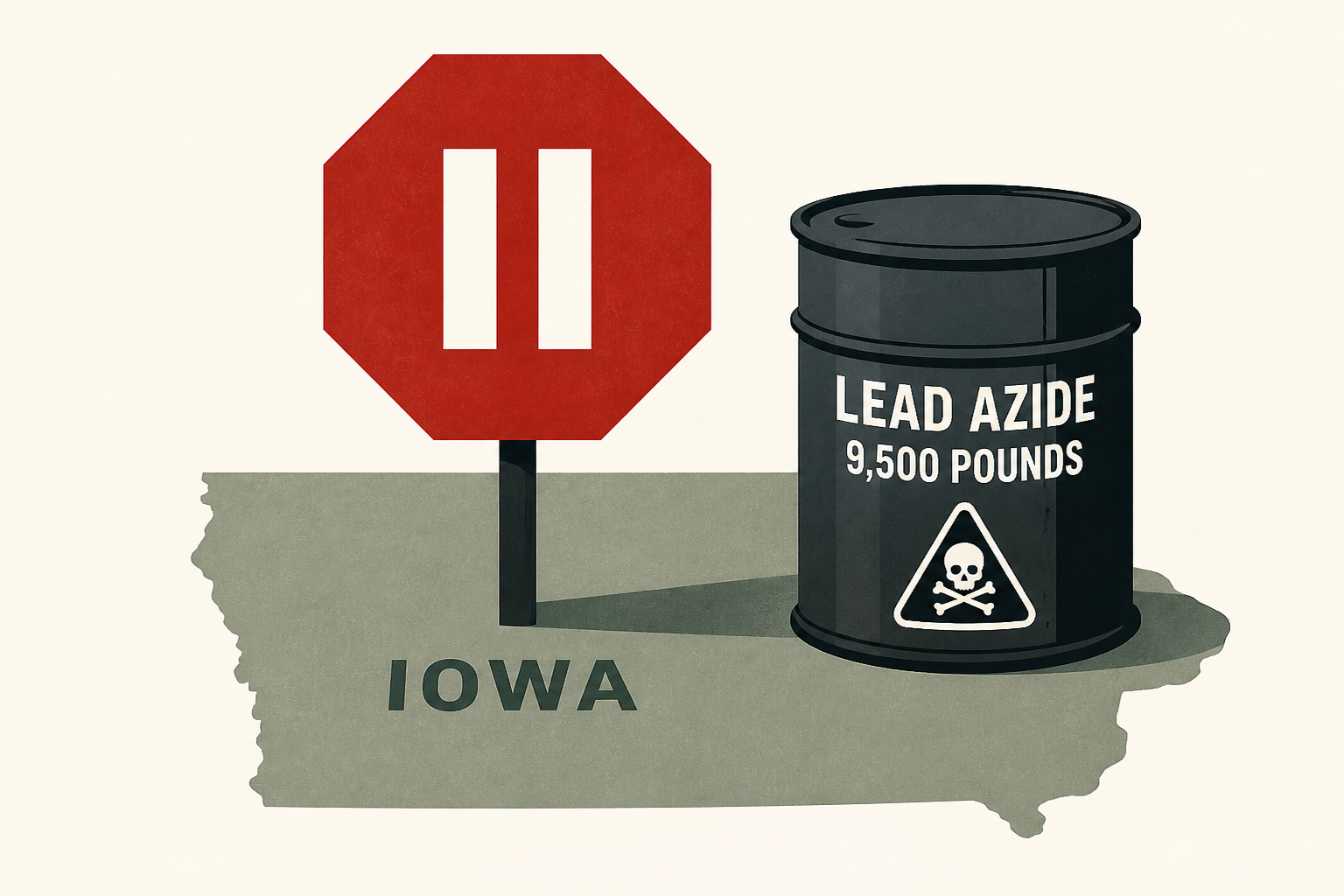
Trump told the Army to pause the detonation of 9,500 pounds of lead azide in Iowa. Here's what to know
PBS • • general
Key Points:
- The U.S. Army plans to detonate 68 barrels of unstable lead azide at the Iowa Army Ammunition Plant, potentially releasing a lead-containing dust plume that could travel up to 100 miles, raising health and environmental concerns among residents, lawmakers, and environmental groups.
- The detonation has faced multiple delays due to court challenges arguing inadequate communication and warning about the risks, with the Army invoking emergency powers to proceed without an EPA permit despite a temporary suspension by a federal appeals court.
- Lead azide is highly volatile and unsafe to move due to degradation, and the Army claims controlled detonation is the only viable disposal method, though environmental groups dispute that alternatives were fully considered.
- Health risks include lead exposure from airborne and surface dust, prompting evacuation orders and advisories to stay indoors and clean surfaces after the blast; the extent of lead spread depends heavily on weather conditions like wind direction.
- Critics highlight poor transparency and communication from the Army regarding plume modeling and monitoring plans, with independent researchers conducting their own air and soil sampling to ensure community safety and effective response.


