AI Image
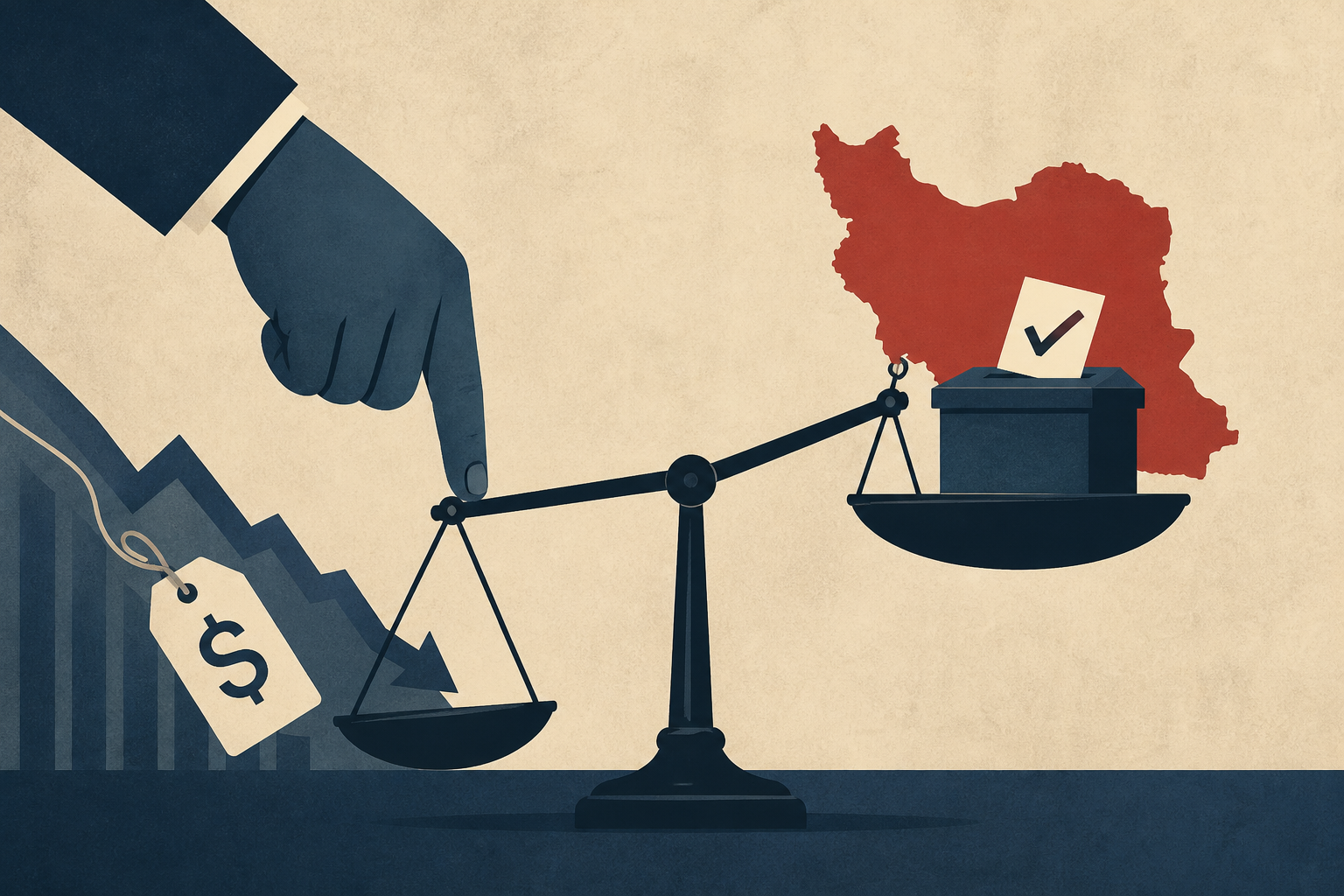
Trump was trying to force prices lower ahead of the midterms. But Iran gets a vote, too
CNN • • business
Key Points:
- Inflation in the U.S. rose more than expected in September, driven primarily by surging energy costs, with gas prices up 9.1% in the month and over 34% higher than the previous year, exacerbating voter frustration ahead of the midterm elections.
- The Trump administration's efforts to mitigate inflation, including naval operations to secure Gulf oil shipments and a controversial deal to ease some Russian diesel sanctions, have been undermined by increased attacks from Iran and its Houthi allies on oil tankers and infrastructure.
- Attacks in the Strait of Hormuz and Bab al-Mandeb have significantly disrupted oil transit, reducing flows to 54% of pre-war levels, which has contributed to rising fuel prices and broader inflationary pressures in the U.S. economy.
- Rising housing and rent costs, along with increased prices for various services, indicate inflationary pressures are spreading beyond energy, posing concerns for economists due to their typically persistent nature.
- Despite the economic challenges and geopolitical tensions, consumer spending remains strong, but higher inflation has led to increased borrowing costs, further straining affordability and influencing voter sentiment ahead of the midterms.


