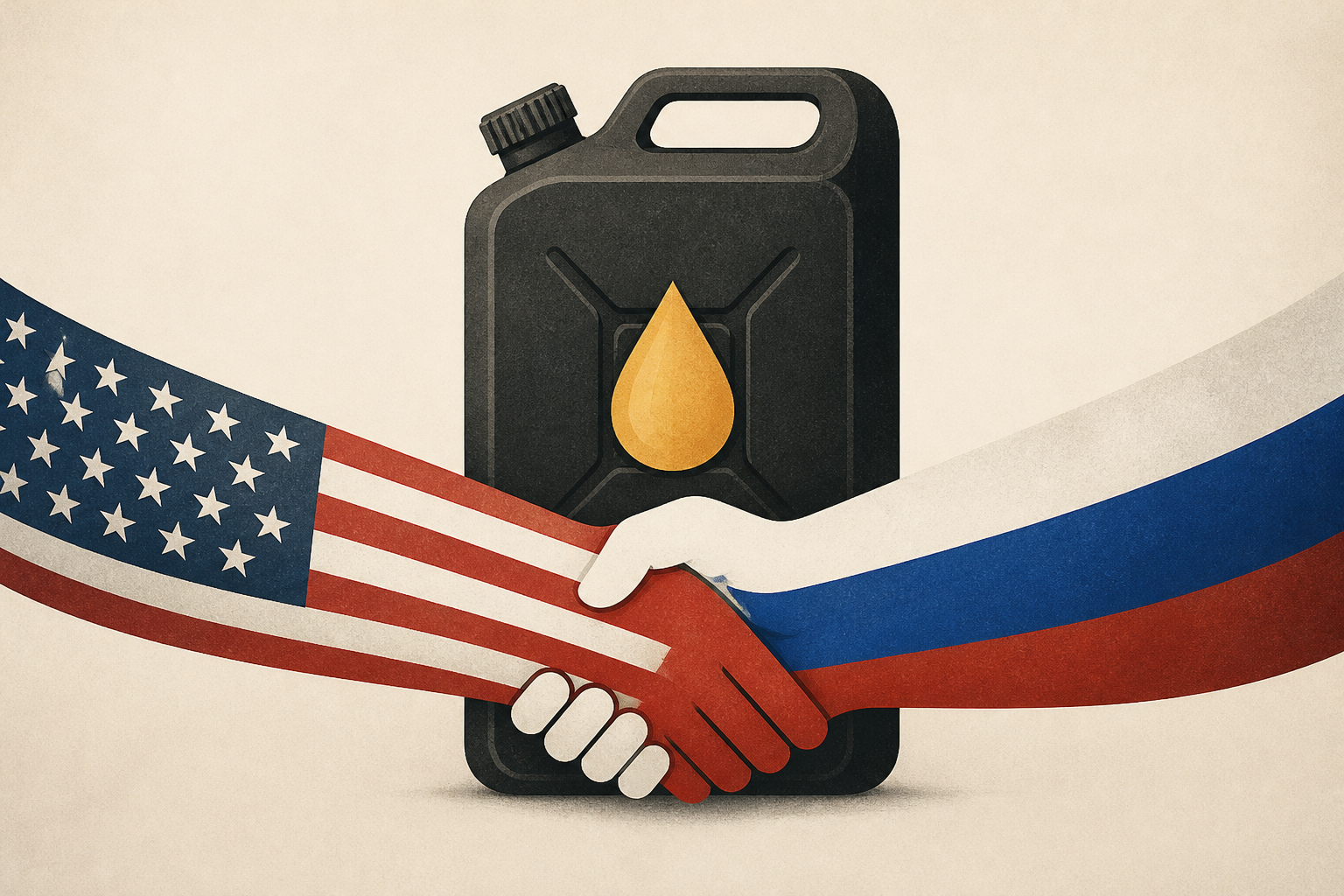
AI Image
Trump’s “Diesel Deal” With Russia Was Just the Start
Council on Foreign Relations • • nation
Key Points:
- U.S. President Donald Trump's recent decision to relax sanctions on Russian diesel imports, made without consulting allies and amid escalating Russian attacks on Ukraine, initially seemed like a minor, politically motivated move but has since revealed deeper, more troubling consequences.
- Following the diesel deal, Trump publicly called for Ukrainian President Zelenskyy's removal and falsely claimed a mutual ceasefire on energy infrastructure attacks, while U.S. negotiators reportedly pressured Ukraine to unilaterally halt attacks, straining U.S.-Ukraine relations.
- Reports emerged of U.S. threats to cut intelligence sharing and weapons sales to Ukraine, alongside disruptions to Starlink satellite communications, causing confusion and disorientation within Ukraine's leadership and weakening alliance solidarity.
- European leaders remain supportive of Ukraine but show uncertainty and have yet to mount a unified response to Trump's actions, contrasting with their strong pushback after his previous conciliatory meeting with Putin.
- The U.S. Congress has issued only muted protests over potential violations of sanctions laws, with many hoping Trump will relent after the midterm elections, though his shifting stance toward Zelenskyy and the conflict suggests a potentially dangerous new phase in U.S. war diplomacy.


