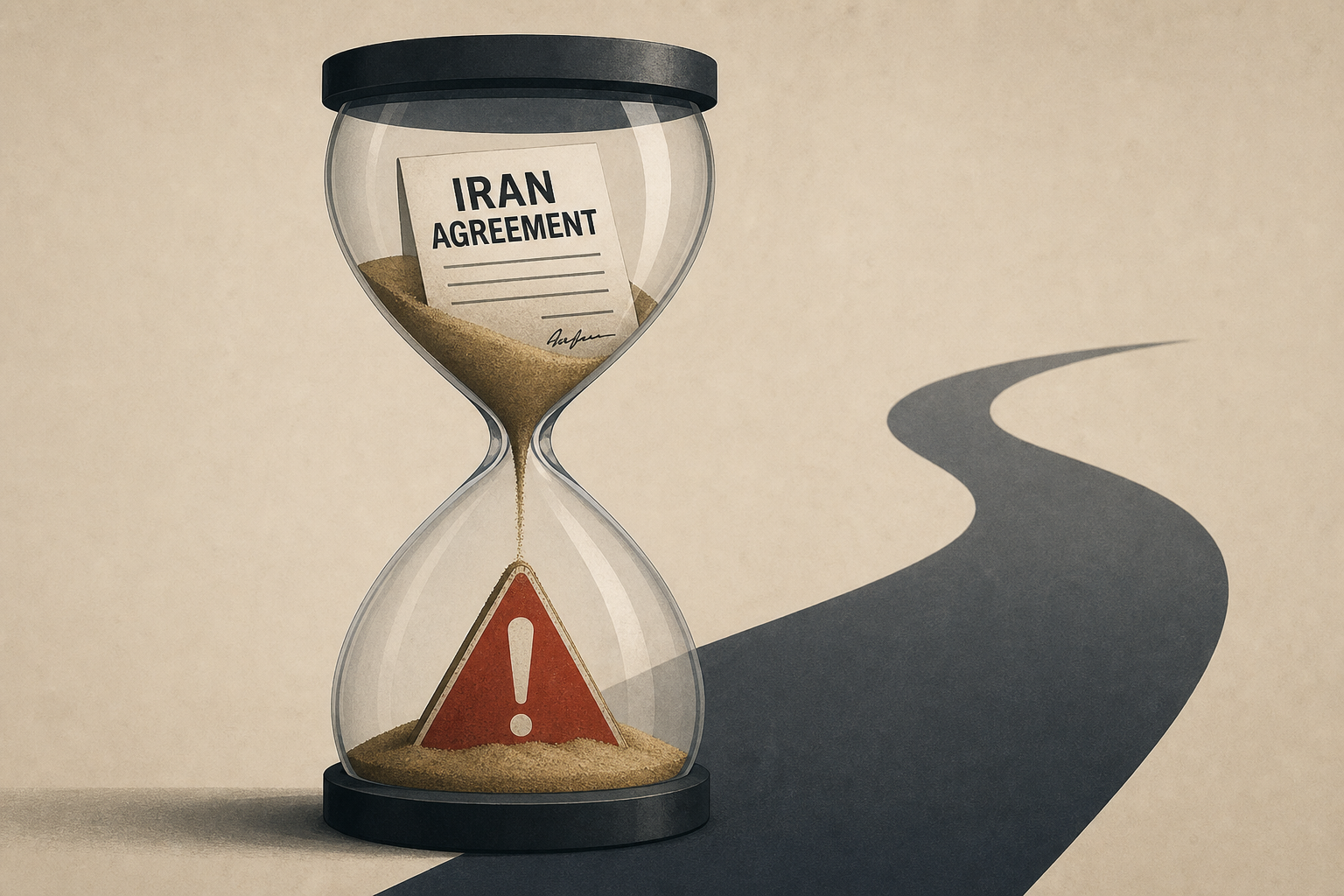
AI Generated Image
Trump’s Gulf allies fear his Iran agreement is a ‘disastrous turning point’
CNN • • world
Key Points:
- Gulf Arab states have historically viewed their relationship with the US as a strategic security partnership, but under Trump, the relationship took on a more transactional tone, leading to doubts about US commitment, especially after the 2019 attacks on Saudi oil facilities.
- The recent US-Iran conflict and the subsequent ceasefire deal have intensified Gulf skepticism about Washington's security guarantees, with concerns that the agreement emboldens Iran and grants it oversight over critical maritime trade routes like the Strait of Hormuz.
- Gulf states, while supporting the ceasefire to avoid war, remain uneasy about unresolved issues such as Iran’s missile program and proxy networks, and are exploring diversifying their military partnerships beyond the US, including potential arms deals with Turkey.
- There is a growing recognition among Gulf leaders of the need to accommodate Iran long-term, possibly through a regional non-aggression pact, but analysts argue that credible deterrence capabilities are essential before such diplomatic efforts can be effective.
- The Gulf’s reassessment of its relationship with both Iran and the US reflects a broader strategic shift, with diminished trust in American security guarantees prompting Gulf states to consider enhancing their own military capacities and seeking a more stable regional order through diplomacy and deterrence.


