AI Generated Image
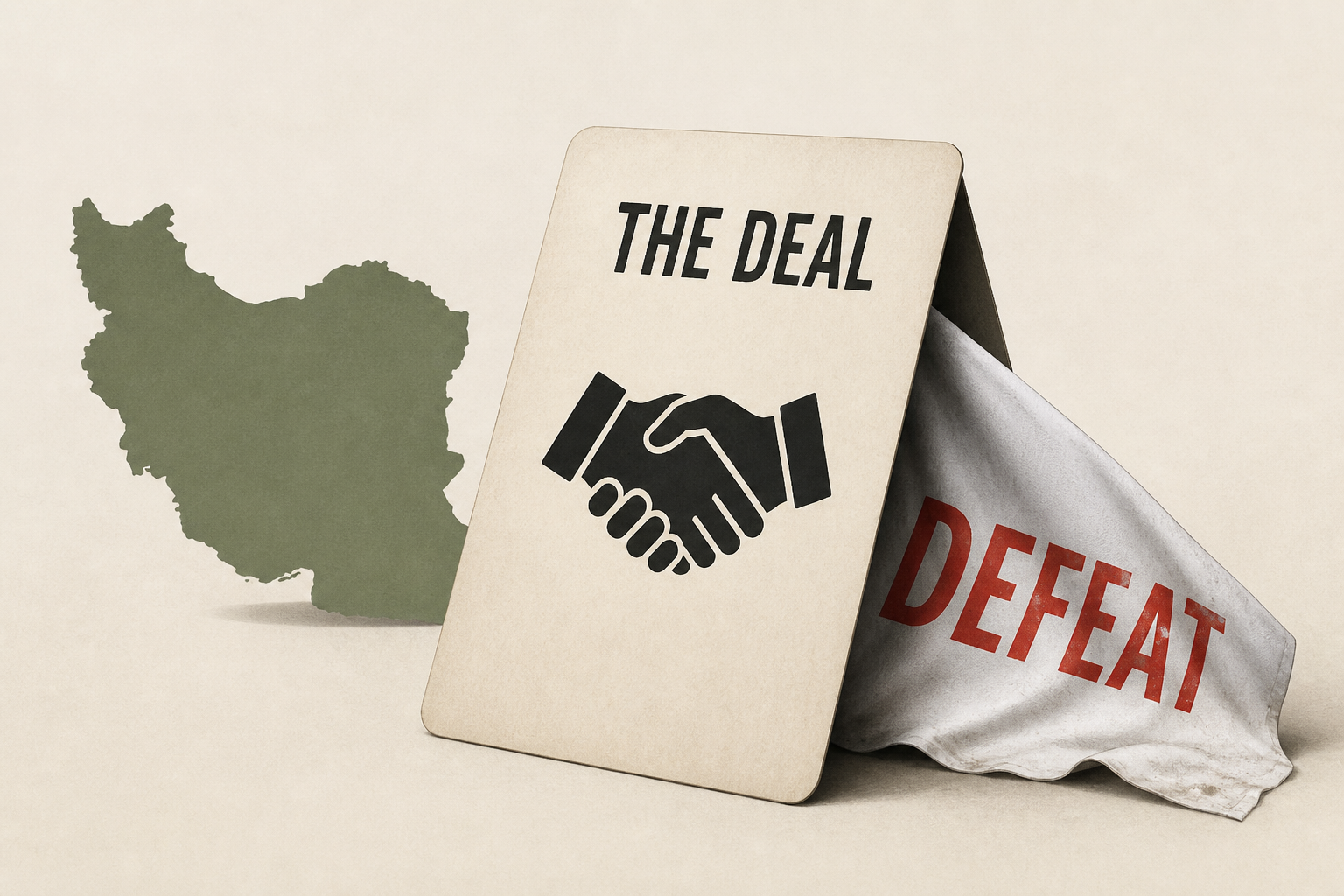
Trump’s Iran Negotiations: Less Art of the Deal, More Art of Concealing Defeat
Council on Foreign Relations • • nation
Key Points:
- The October 7, 2023 Hamas assault was the result of Iran’s long-term strategy to encircle Israel through proxies like Hamas, Hezbollah, Shia militias in Iraq, and alliances with Yemen’s Houthis and Syria’s Assad regime, but Israel has since dismantled much of this "ring of fire."
- Iran faces significant regional and domestic challenges, including weakened proxies, a destabilized Assad regime, pushback against Shia militias in Iraq, and widespread internal dissent following a brutal crackdown on protests.
- President Trump’s desire for a quick deal with Iran, driven by economic concerns such as lowering oil prices, has weakened the U.S. negotiating position, especially given reluctance to use military force or prioritize national security over politics.
- Iran demands control over the Strait of Hormuz and the ability to export oil freely, which would shift regional power, undermine U.S. influence in the Gulf, embolden Iran’s regime, and force Gulf states to seek new security arrangements outside U.S. protection.
- The Trump administration’s inconsistent approach—oscillating between threats and inaction—and acceptance of a flawed June MOU has eroded U.S. leverage, risking Iran’s dominance in the Persian Gulf and potentially signaling a retreat from longstanding U.S. commitments in the Middle East and beyond.


