AI Image
Two new studies find a link between extreme heat and dementia
The Arizona Republic • • health
Key Points:
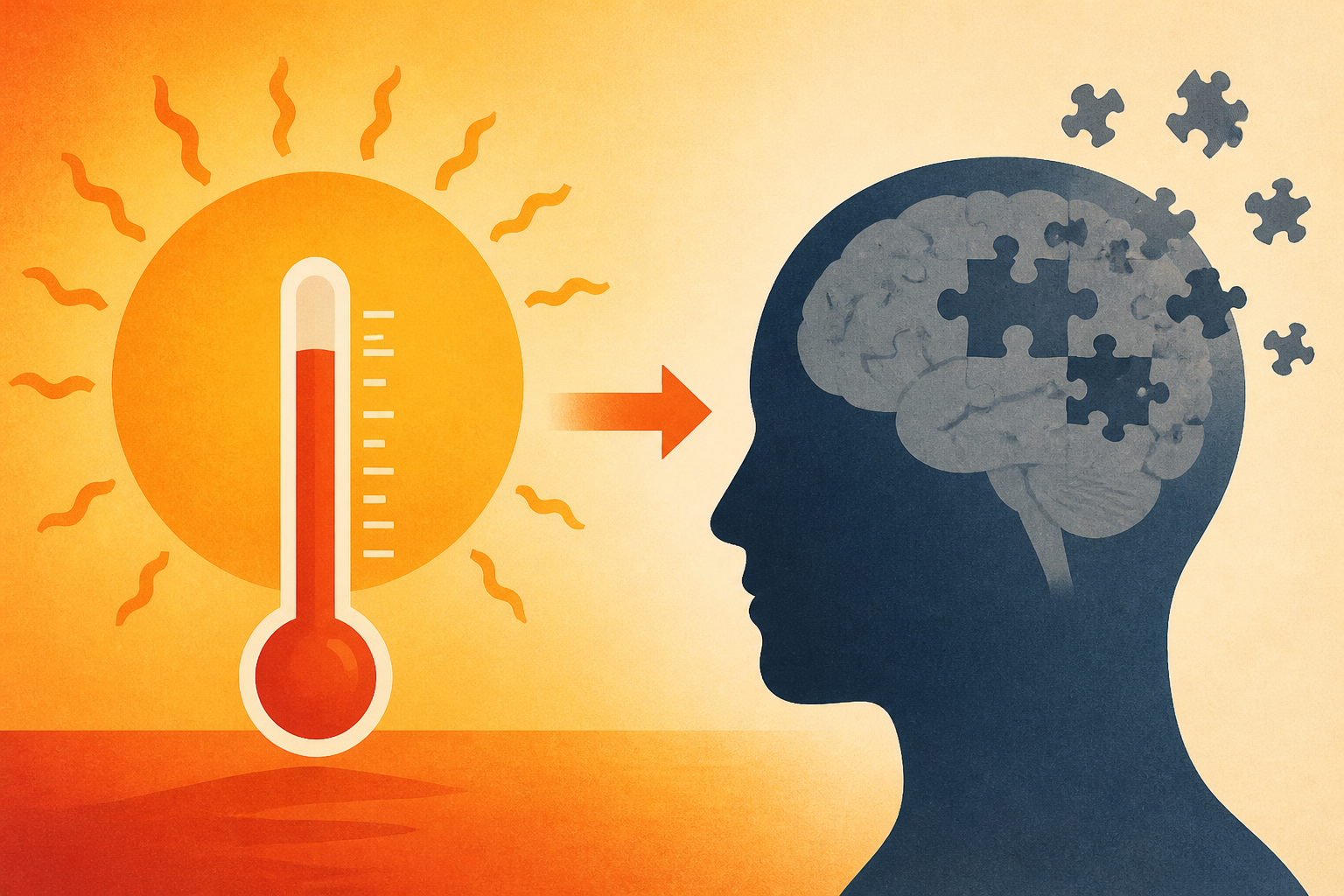
- Rising global temperatures are linked to an increased risk of neurodegenerative diseases, including dementia, with studies showing that prolonged exposure to extreme heat can accelerate cognitive decline, especially in regions like Arizona experiencing frequent heatwaves.
- Women are more vulnerable to heat-related brain damage, exhibiting higher levels of Alzheimer's-associated biomarkers when living in hotter climates, likely due to physiological differences such as reduced sweating and vascular changes after menopause.
- Access to air conditioning does not fully mitigate heat risks, as socioeconomic factors prevent many from using it consistently, contributing to higher indoor heat-related mortality, particularly in areas with malfunctioning or turned-off AC units.
- Chronic heat exposure impacts brain health through multiple mechanisms, including reduced blood flow and oxygen delivery, toxic buildup in brain regions related to memory, and behavioral changes like decreased socialization and physical activity, all potentially increasing dementia risk.
- Experts emphasize the need for public health interventions to reduce heat exposure—such as improving affordable housing, expanding cooling centers, and providing financial assistance for AC use—and advocate for treating extreme heat as a preventable natural disaster amid ongoing climate change.


