AI Image
Under Trump, NIH funding disruptions have evolved, experts say : NPR
NPR • • nation
Key Points:
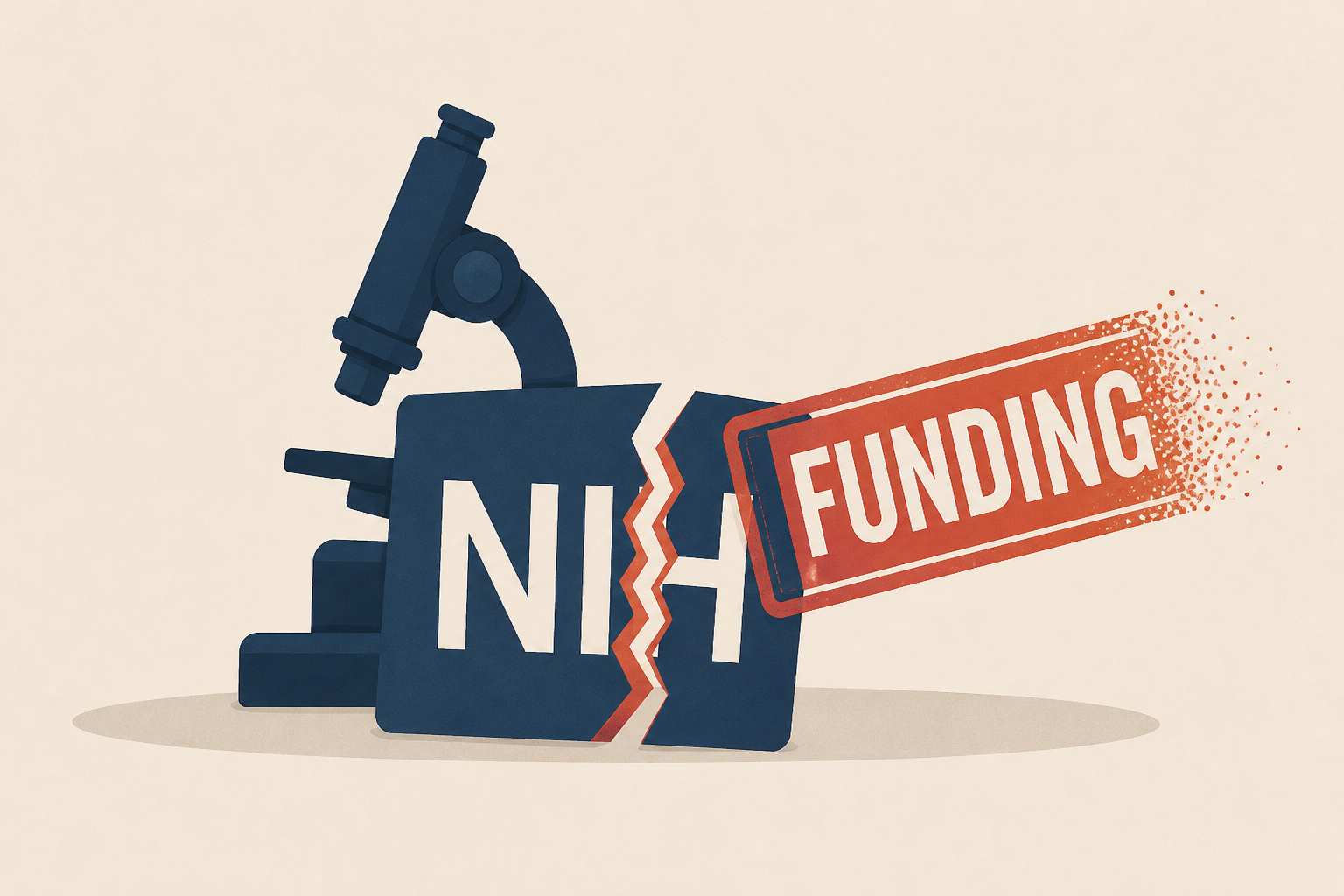
- The NIH, with a $47.5 billion budget primarily allocated to biomedical research grants, has faced significant disruptions under the Trump administration, including delayed funding and rerouted billions of dollars, causing chaos for researchers and patients.
- Despite Congress maintaining NIH's budget and institute structure, grant obligations have slowed dramatically since 2025, with funding delays averaging over 40 days behind previous years and many grants renewed months late, threatening research continuity and employment.
- Funding priorities have shifted away from racial and ethnic minority health research, which saw a 29% cut in 2025, toward areas like artificial intelligence and information technology, reflecting administration directives to end diversity, equity, and inclusion research.
- Researchers have been forced to reframe grant proposals to remove disfavored terms such as "climate change," "DEI," and "gender," while some programs have faced unprecedented funding cuts leading to staff layoffs and concerns about discouraging future scientists.
- Proposed new rules granting political appointees final authority over federal grantmaking raise concerns among scientists about increased executive control and further restrictions on research funding, with experts calling for open debate on funding reforms.


