Unexpected costs of war : NPR
NPR • • business
Key Points:
- The Iran war has severely disrupted global oil and gas supplies, causing soaring prices and leading to various shortages and price spikes worldwide, affecting everyday life and expenses.
- Aluminum prices have surged to a four-year high after Iran attacked major Middle Eastern smelters, impacting the supply of aluminum used in cans, cars, and packaging in the U.S.
- A helium shortage, caused by a blockade affecting Qatar's production, is impacting industries reliant on helium such as medical imaging, semiconductor manufacturing, and consumer goods, with potential long-term effects if prices rise significantly.
- Fertilizer supply is constrained due to disruptions in the Strait of Hormuz and natural gas shortages in South Asia, leading to higher costs for farmers and reduced crop planting, which may result in global food production declines.
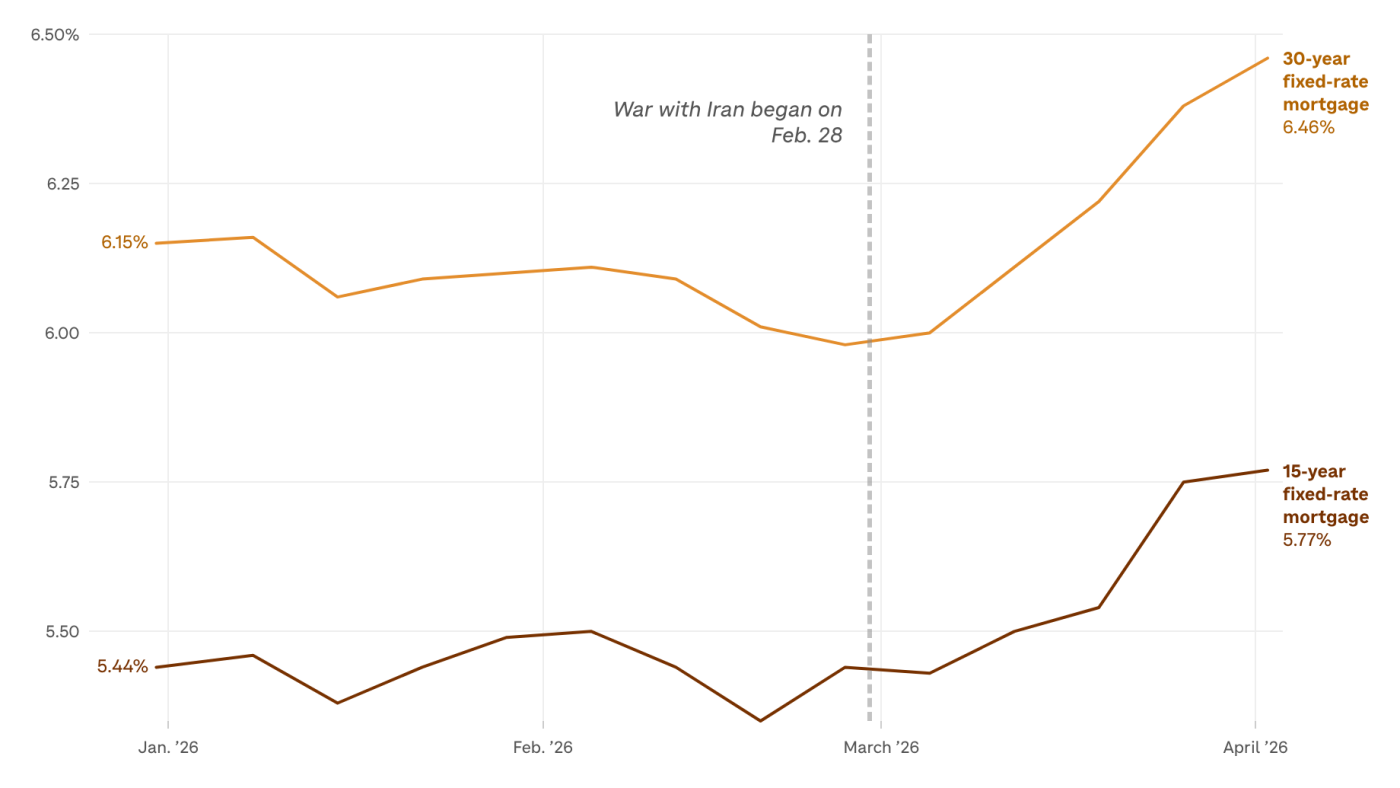
- The war has increased borrowing costs, pushing mortgage rates in the U.S. back up to nearly 6.5%, and has driven up prices for key industrial materials like sulfur and petrochemicals, causing broader inflation and supply chain challenges.


 { path { fill: %23EEEFE9 } })


