AI Generated Image
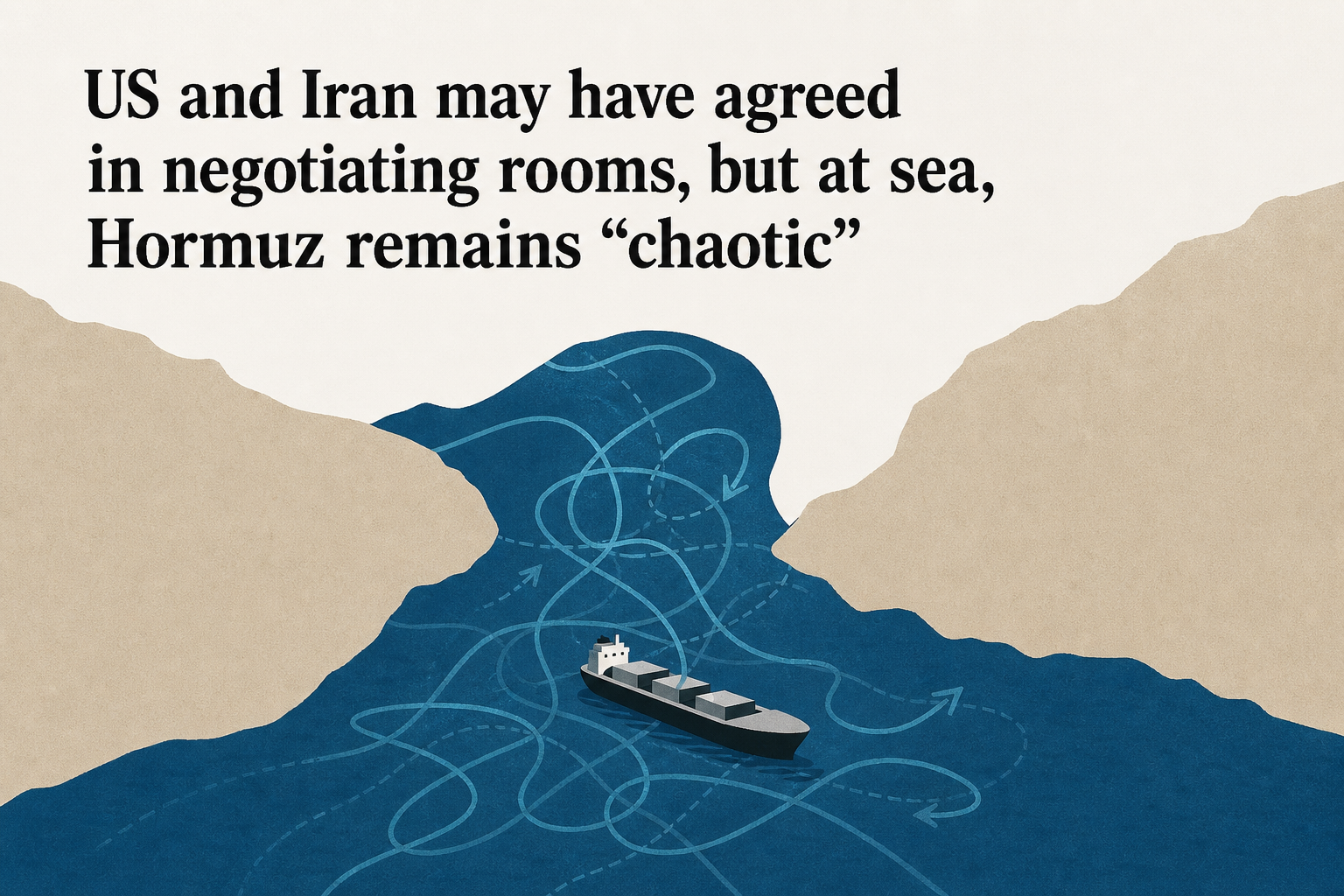
US and Iran may have agreed in negotiating rooms, but at sea, Hormuz remains “chaotic”
CNN • • general
Key Points:
- Iran’s Revolutionary Guards issued a warning that any vessel transiting the Strait of Hormuz without their permission or outside designated routes will face consequences, signaling Tehran’s intent to control maritime traffic through the vital oil chokepoint.
- The Singapore-flagged container ship Ever Lovely was struck by an Iranian drone hours after the warning, marking the first attack on a vessel since the Iran-US ceasefire agreement; the US responded with military strikes on Iranian targets but downplayed the risk of major escalation.
- Iran and Oman are set to jointly manage the strait under the agreement, but Iran’s newly established Persian Gulf Strait Authority has imposed new rules requiring ships to obtain authorization and insurance, creating confusion with three competing transit routes controlled by different authorities.
- Shipping companies face difficult choices amid fears of Iranian attacks on non-Iranian routes and potential US sanctions if they comply with Tehran’s demands, complicating efforts to restore trade to pre-war levels and keeping insurance premiums high.
- Despite cautious optimism about renewed maritime activity, experts warn that the gap between political agreements and realities on the ground is causing a chaotic and dangerous navigation environment, with many shipowners hesitant to resume operations without sustained incident-free crossings.


