AI Generated Image
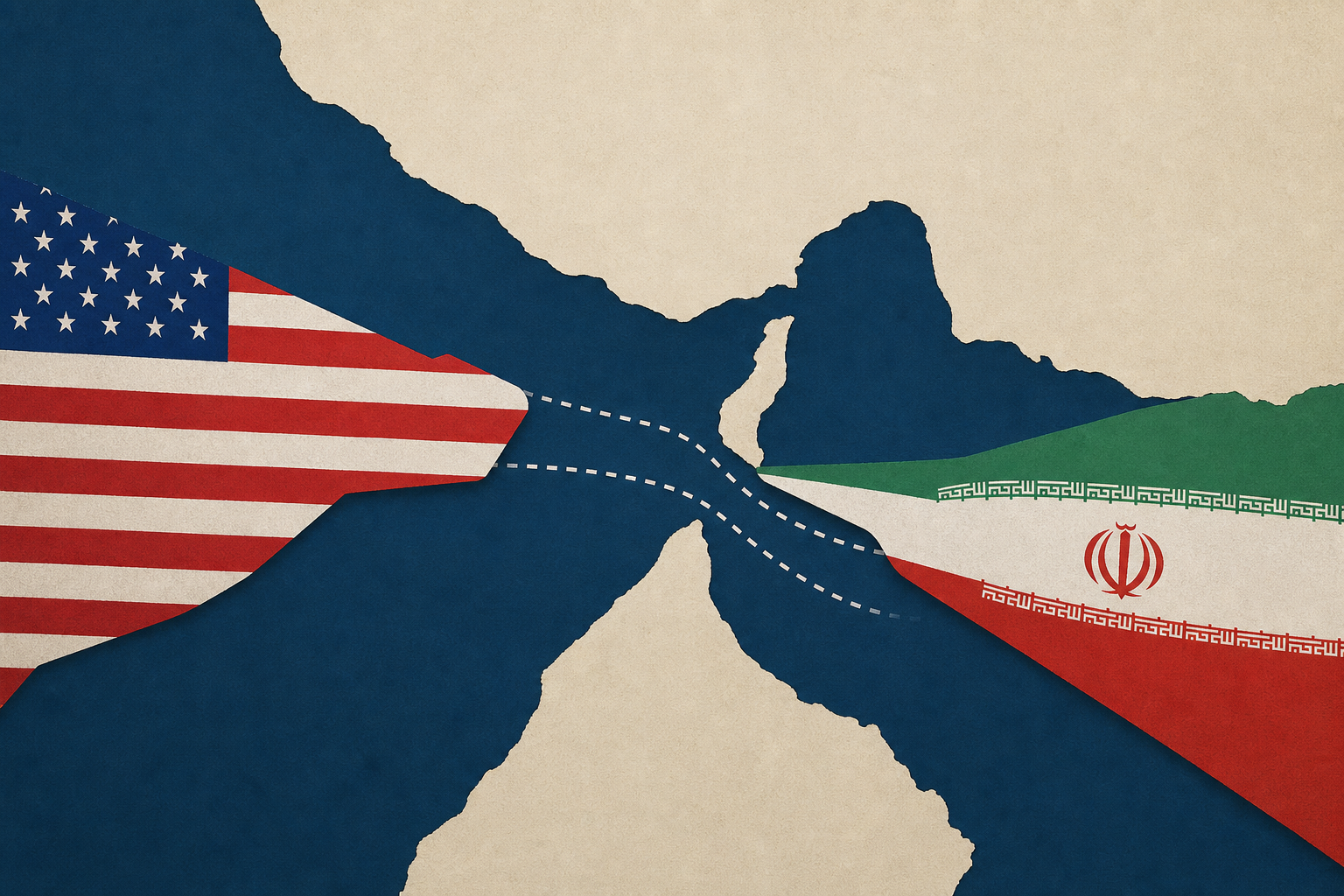
U.S. and Iran standoff over the Strait of Hormuz intensifies
NPR • • general
Key Points:
- Iran threatened to block all regional oil export routes, including the Strait of Hormuz and potentially the Bab al-Mandab Strait, in response to the U.S. maritime blockade of its ports, warning that oil and gas exports would be either accessible to all or none.
- The U.S. military launched strikes to degrade Iranian military capabilities used against commercial shipping in the Strait of Hormuz, escalating a conflict that began after U.S. and Israeli strikes on Iran, with retaliatory Iranian attacks on U.S. bases in Kuwait, Bahrain, and Jordan.
- Control over the Strait of Hormuz, a critical passage for about 20% of the world’s energy supplies, remains a central point of contention, with Iran asserting control and enforcing compliance on shipping routes, disrupting global trade and increasing fuel prices.
- The Bab al-Mandab Strait, another vital chokepoint for about 10% of global oil, faces threats from Iran-backed Houthi rebels in Yemen, who have warned of closing the strait amid ongoing conflict with Saudi Arabia and have targeted vessels linked to Israel.
- President Trump reversed his decision to impose a 20% cargo fee on ships transiting the Strait of Hormuz, opting instead for trade and investment deals with Gulf States, though the U.S. blockade of Iranian ports continues amid ongoing tensions.


