AI Image
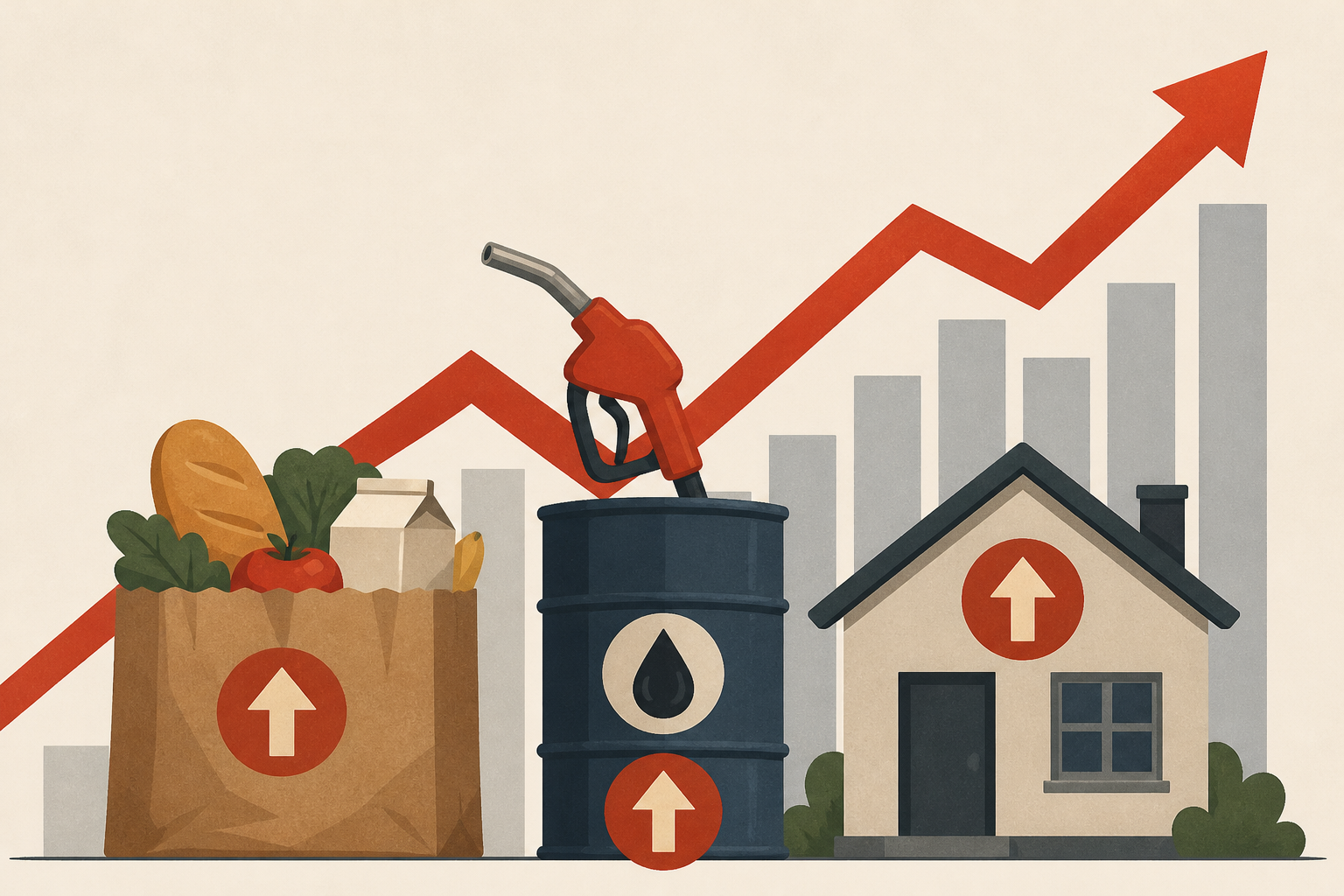
U.S. inflation report highlights strain of rising food, energy and housing costs
PBS • • business
Key Points:
- Inflation rose by 0.4% last month, driven mainly by higher food, energy, and housing costs, contributing to ongoing financial pressure on American households.
- Austan Goolsbee, Chicago Fed president, described the inflation report as "borderline disturbing," noting that persistent services inflation is not primarily due to transitory factors like oil prices or tariffs.
- The Federal Reserve's primary tool to combat inflation is adjusting interest rates, but rising costs from sectors like AI data center investments are adding demand-side inflationary pressures.
- Goolsbee expressed concern that if high inflation becomes entrenched in expectations, it will be more difficult and painful to reduce, emphasizing the need to bring inflation back to the 2% target.
- While hesitant to predict specific rate moves, Goolsbee indicated that all options remain on the table as the Fed seeks to address inflation that continues to run above target despite a stable job market.


