AI Image
US proposes $100,000 charge for international students to do post-graduate work
Nature • • nation
Key Points:
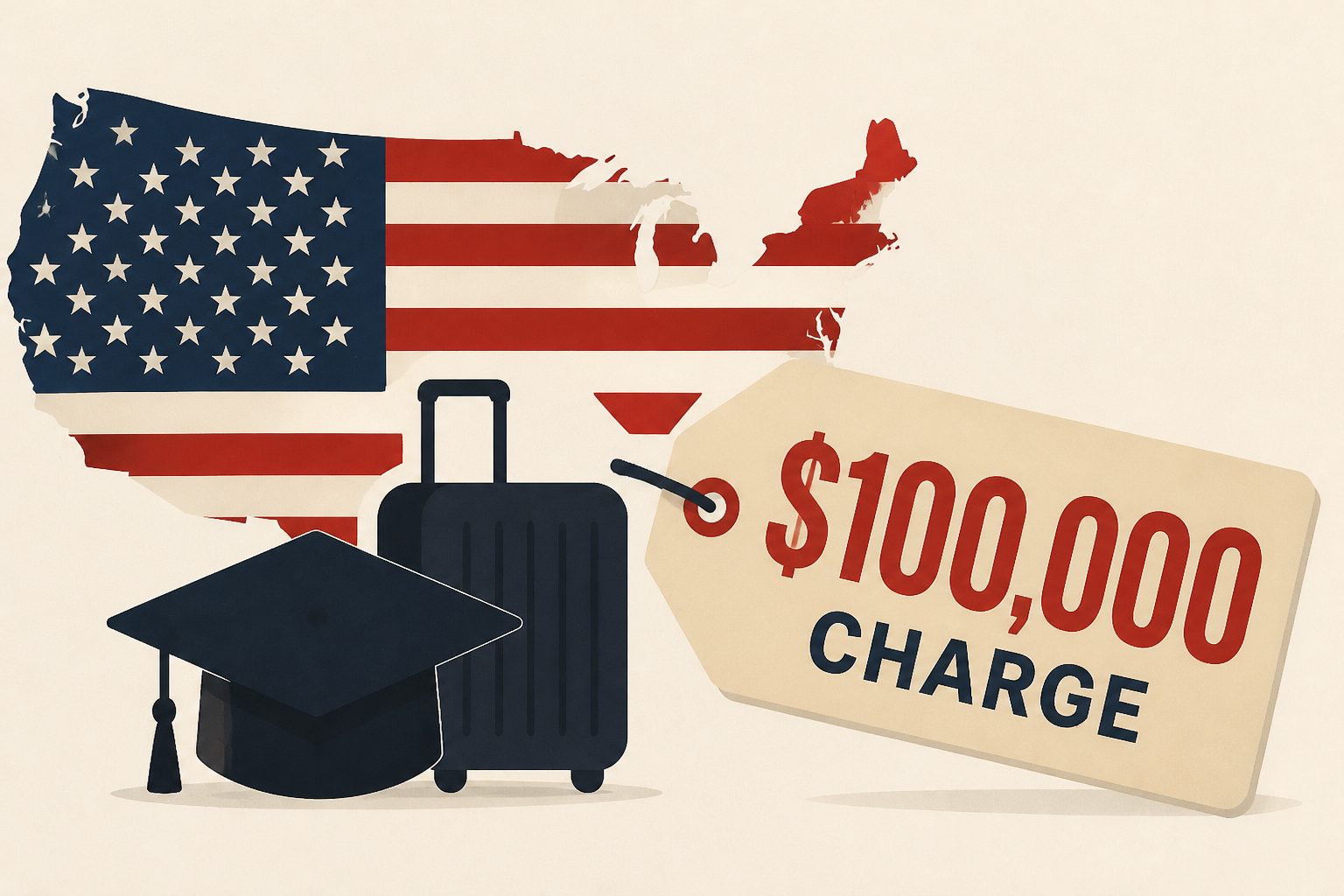
- The Trump administration proposed a rule requiring international students and academic institutions to pay up to $100,000 to participate in the Optional Practical Training (OPT) program, which allows graduates to work in the US for up to three years post-degree, significantly increasing costs for science and technology graduates.
- The Department of Homeland Security projects that the rule could reduce OPT enrollment by up to 44%, with an estimated $8.4 to $16.5 billion annual cost to universities, while experts predict a drastic drop in participation, especially among master's and PhD students in STEM fields.
- This proposal follows previous immigration restrictions, including a $100,000 levy on certain skilled worker visas, which already caused a 90% decline in new applications, threatening to severely diminish the US STEM workforce by 6–11% over the next decade.
- Critics warn the new fees and restrictions will deter top international talent from studying and working in the US, potentially leading to a sharp decline in international student enrollment and resulting in billions of dollars in lost revenue for universities.
- Supporters of the rule claim it will improve program oversight and reduce fraud, but experts emphasize the broader negative impact on the US’s ability to attract and retain global scientific talent amid increasing international competition.


