AI Generated Image
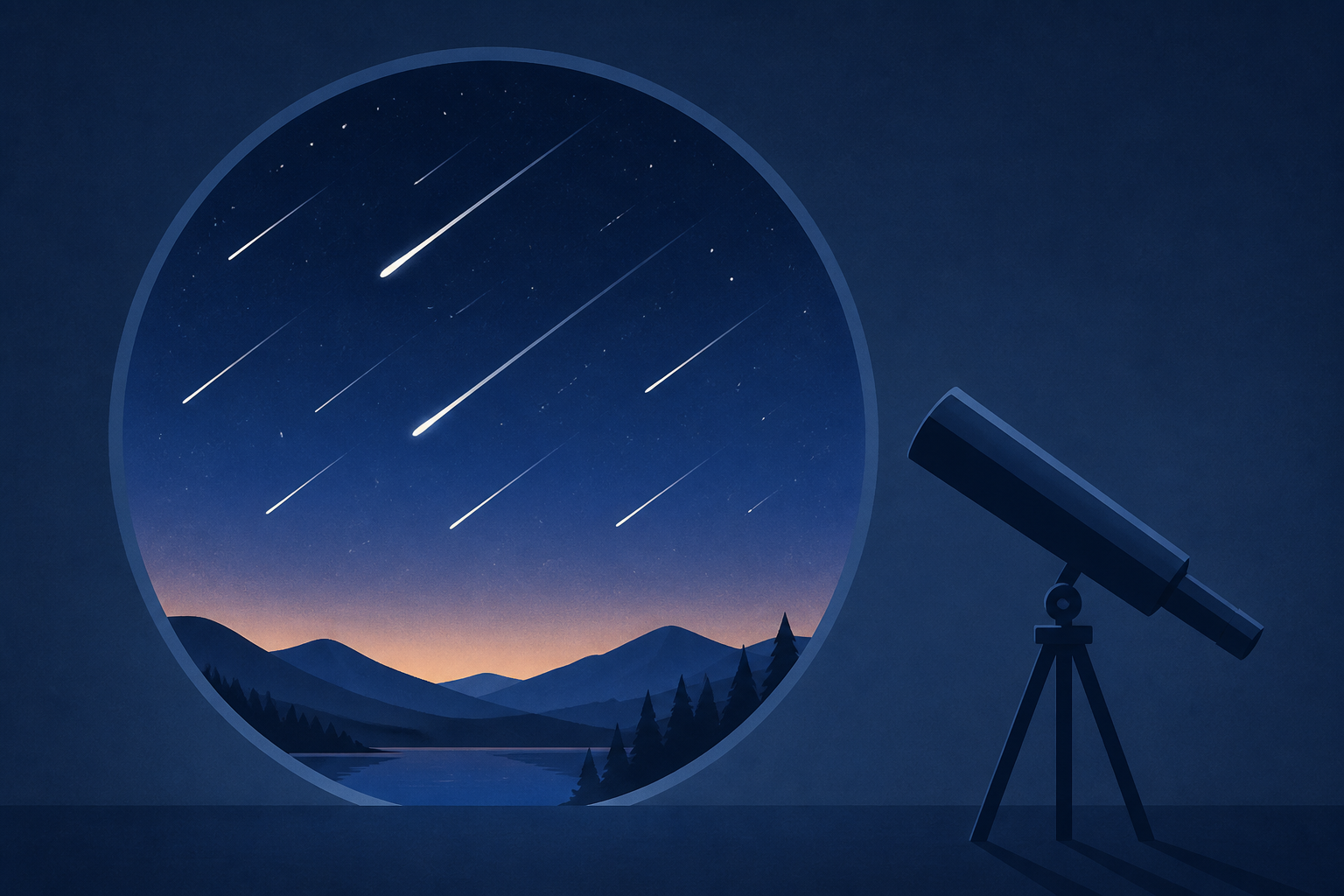
Want to view the Perseid meteor shower? Much better conditions ahead to do so!
WSTM • • science
Key Points:
- The Perseid meteor shower, which peaked on the night of August 13, will continue to produce visible meteors for the next couple of nights, with clearer skies expected on Thursday and likely Friday night.
- The Perseids occur annually between July 14 and September 1 as Earth passes through debris from the Swift-Tuttle comet, resulting in shooting stars that appear to radiate from the constellation Perseus.
- For optimal viewing, observers should look northeast after 10:00 PM, find a dark location away from city lights, and allow up to 45 minutes for their eyes to adjust to the darkness while lying on their backs.
- The Swift-Tuttle comet has a local connection to Central New York, as Lewis Swift of Marathon, NY, visually discovered it on July 16, 1862, using a small refractor telescope.


