AI Generated Image
Warming waters could expand brain-eating amoeba risk
WRAL • • health
Key Points:
- A central North Carolina teenager is critically ill with a rare brain infection caused by the amoeba Naegleria fowleri, an organism traditionally linked to the hottest summer days in the South.
- Scientists have documented a northward shift in the geographic locations of Naegleria fowleri infections in the U.S., with exposure sites moving approximately 8.3 miles north annually over four decades, although the overall number of cases has not increased significantly.
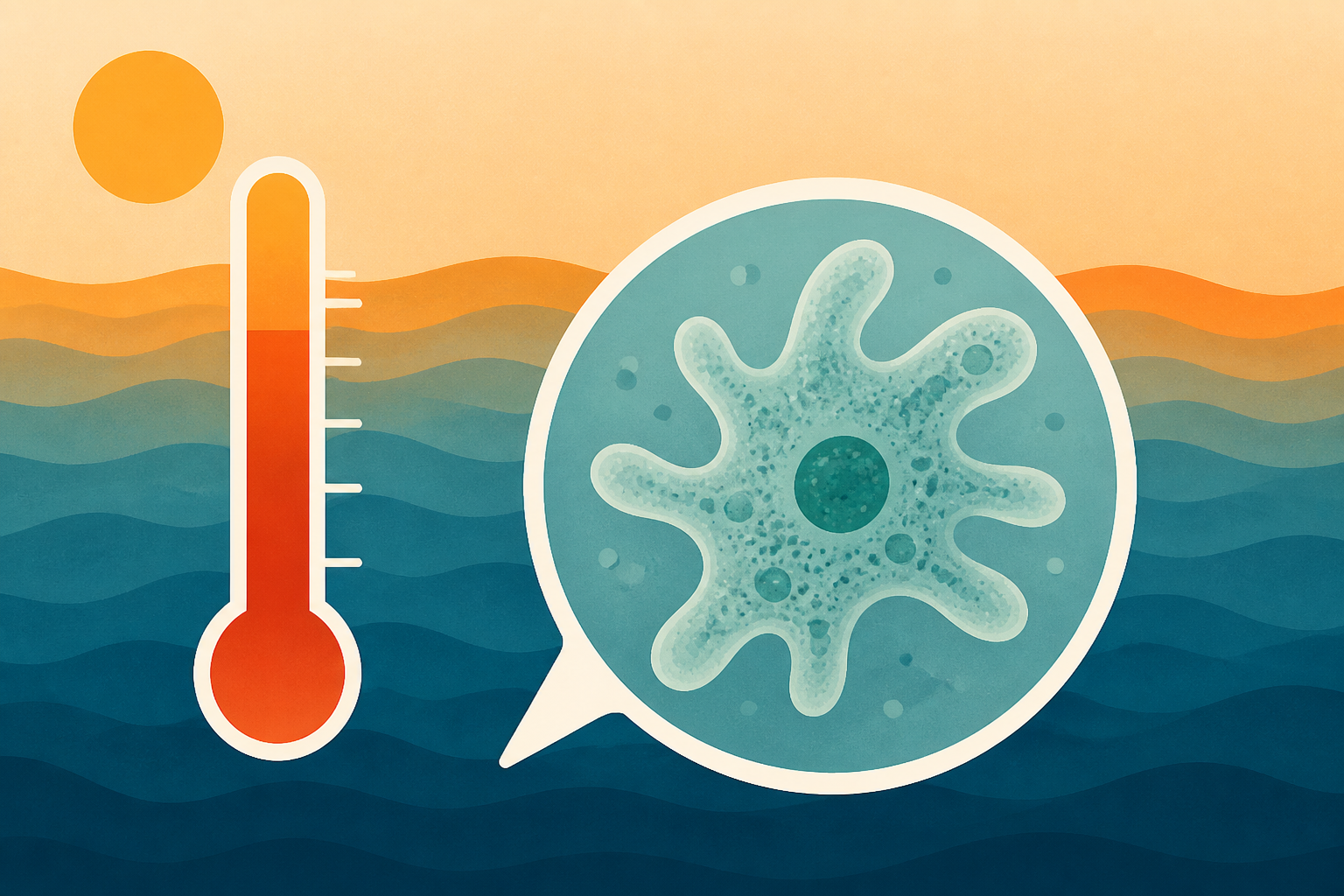
- Rising air temperatures warm freshwater bodies, creating favorable conditions for the heat-loving amoeba to thrive over a broader area and potentially for longer periods, which may expand the risk season beyond the typical summer months.
- The infection, known as primary amebic meningoencephalitis (PAM), is extremely rare but almost always fatal, occurring when contaminated water enters the nose; preventive measures include using nose clips and avoiding disturbing sediment in warm freshwater.
- Public health experts emphasize the need for ongoing surveillance as climate change may alter the distribution and timing of infectious diseases like PAM, requiring preparedness for emerging threats in new regions and seasons.


