AI Generated Image
Washington’s economic war on Iran starts in Dubai, not Beijing
Iran International • • world
Key Points:
- The Iranian regime urgently needs hard currency and imports to sustain its economy, military, and social obligations, but China’s support is limited as oil sales to China are paid in yuan, which Iran struggles to convert and spend due to international blockades.
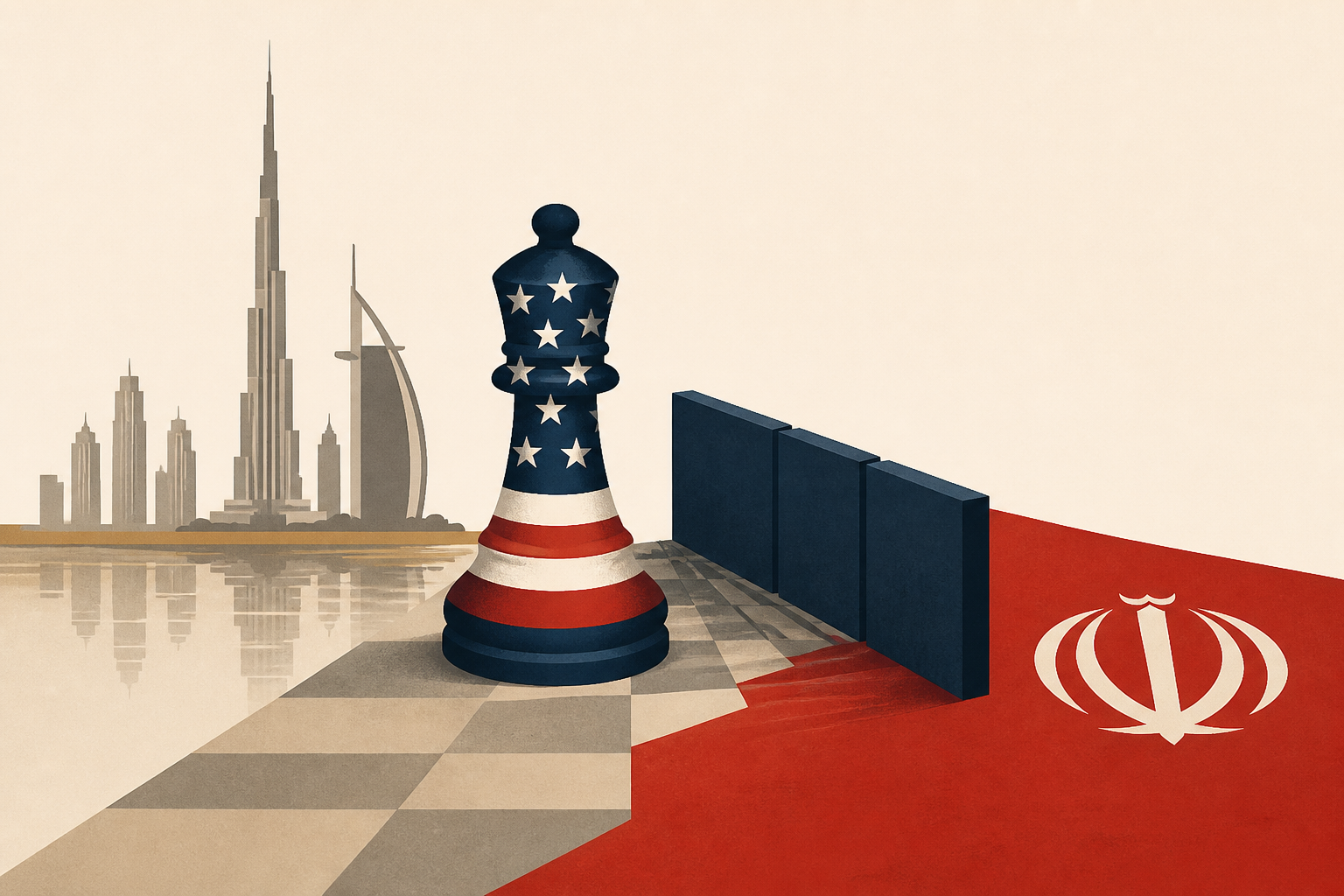
- The UAE, particularly Dubai, serves as a critical financial hub for Iran, facilitating hard currency flows and imports through front companies and brokers; however, recent U.S. Treasury actions targeting UAE banks and Abu Dhabi’s suspension of trade with Iran mark a significant tightening of pressure.
- Turkey remains one of the few remaining trade channels for Iran, especially for petrochemicals and metals that can be sold more discreetly, but Turkish banks are increasingly cautious about handling Iran-related business due to past sanctions and enforcement actions.
- Iran’s oil smuggling into Iraq, where crude is blended and sold as Iraqi product, generates at least a billion dollars annually for the regime and its proxies; U.S. efforts focus on monitoring and restricting Iraq’s dollar banking channels to limit Iran’s access to usable funds.
- The overall strategy targets the conversion and usability of Iran’s earnings rather than stopping trade outright, leveraging regional tensions and sanctions enforcement to cut off the regime’s access to spendable money and imports, especially as Iran’s hostile actions have alienated key neighboring countries.


