AI Image
Water could be responsible for making plastic harmful, study says
Chicago Tribune • • health
Key Points:
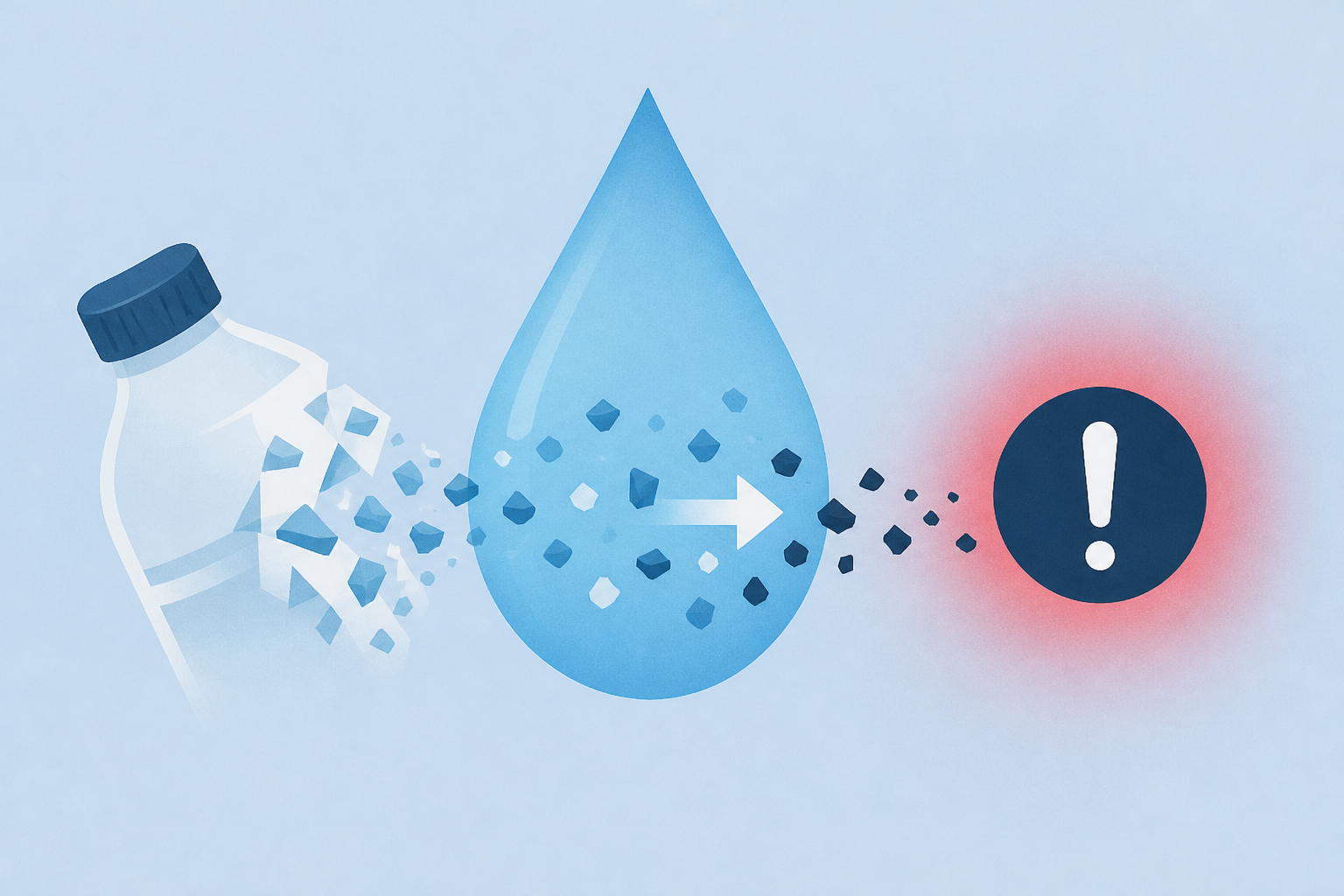
- A new study published in Nature reveals that chemical reactions between water and six types of fossil fuel-based plastics produce particles that damage red blood cells and proteins, potentially making plastics harmful to human health.
- The research suggests microplastics and nanoplastics, which form as plastics break down in the body, generate hydroxyl radicals—unstable molecules linked to aging and disease—especially from polyethylene and polypropylene plastics commonly used in packaging.
- Scientists have found microplastics throughout the human body, including vital organs, and emerging evidence links their ingestion and inhalation to diseases such as heart disease, dementia, Parkinson’s, impaired fertility, and premature births.
- The study challenges the prevailing view that plastics are chemically inert in the body and highlights the urgent need for truly biodegradable plastics to reduce health risks associated with plastic pollution.
- Industry representatives caution that the study does not confirm these effects occur at real human exposure levels or within the body’s complex systems, emphasizing the need for further research to fully understand the health implications.


