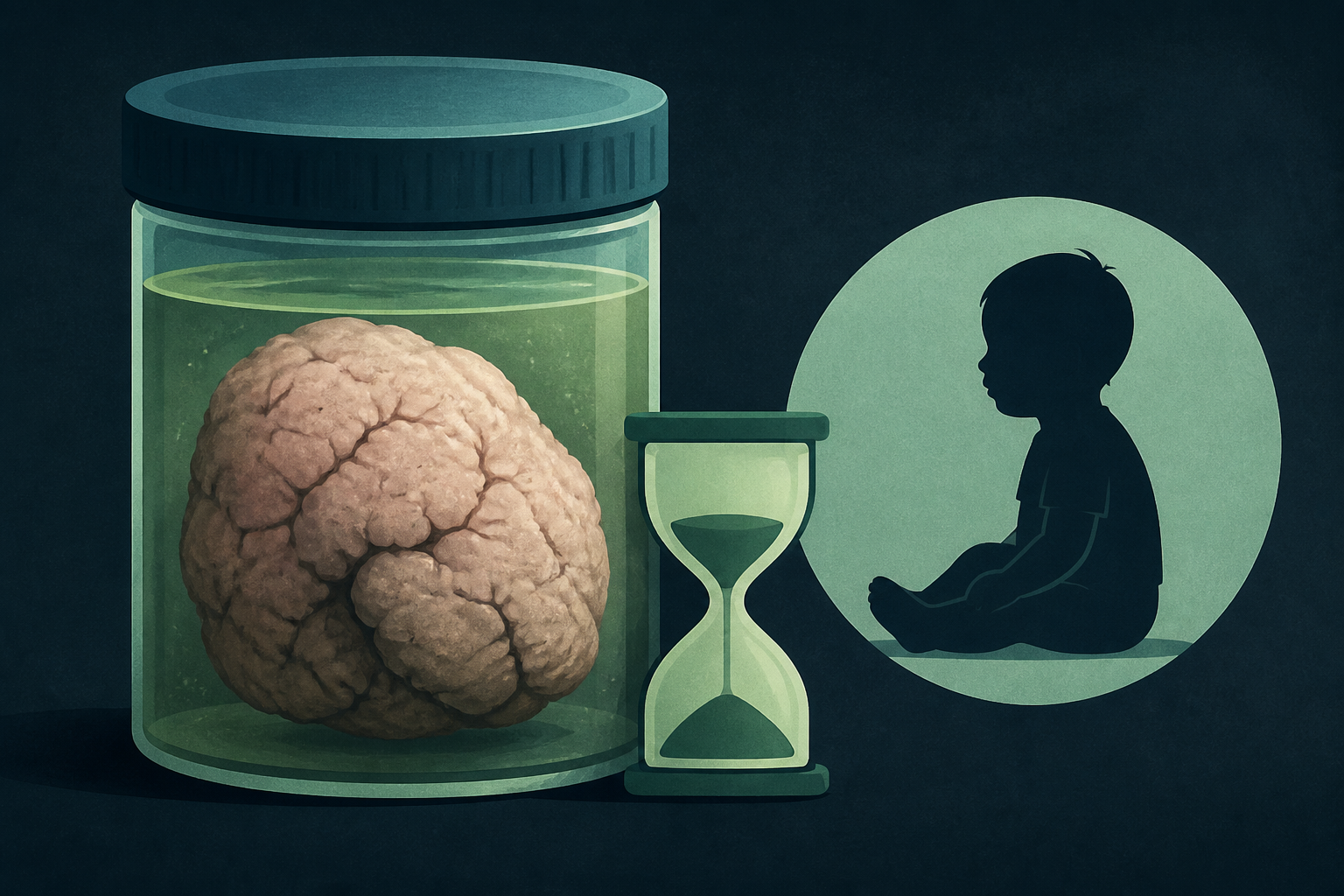
AI Generated Image
We Are Admittedly Creeped Out by These Chunks of Human Brain Matter That Have Lived Longer Than a Toddler
Yahoo • • health
Key Points:
- Scientists have successfully grown human brain organoids in the lab for five years, surpassing the previous record of 694 days, allowing for the study of brain development over extended periods.
- These organoids' biological age, determined through genetic markers, closely matched the actual time spent growing in vitro, effectively "recording the passage of time" and developmental stages.
- The research, led by Harvard's Paola Arlotta, demonstrates that brain organoids can survive, mature, and develop complex features over years, offering new insights into human brain development beyond early stages.
- This breakthrough enables deeper exploration of neurological development, drug testing, effects of viral infections, and human evolution, addressing the challenge of the brain's inaccessibility for direct study.
- Researchers aim to accelerate organoid maturation and extend their lifespan further, potentially creating a "time warp" method to study brain development more rapidly in the future.


