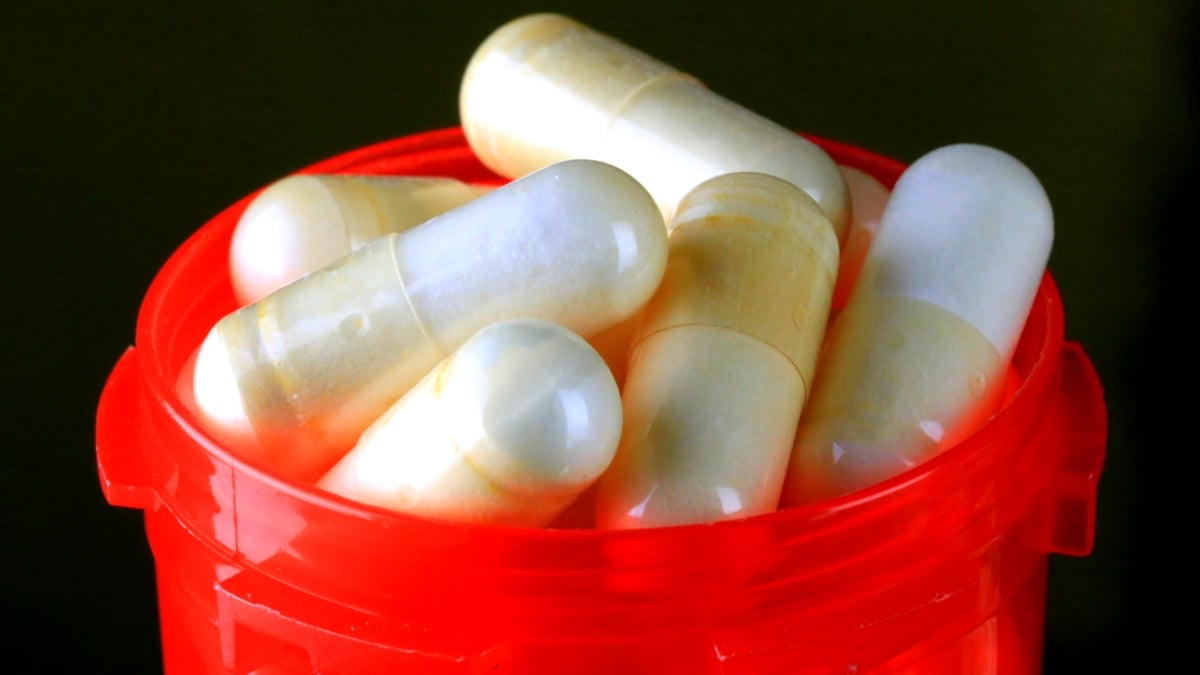
What Are You Actually Swallowing When You Take Probiotics?
ScienceAlert • • health
Key Points:
- The author, a GP and microbiome researcher, reflects on the widespread popularity and marketing of probiotics despite vague claims about their efficacy and safety.
- Probiotic products typically contain similar bacterial species like lactobacilli and bifidobacteria, chosen mainly because they are recognized as safe and have a long history of use in the food industry.
- While probiotics deliver a large microbial load far exceeding normal dietary bacterial intake, most healthy people tolerate them well, but they may pose risks for individuals with weakened immune systems.
- The probiotic industry often avoids rigorous proof of effectiveness by making broad, qualified health claims, leading consumers to believe in benefits that lack strong scientific backing.
- The author ultimately chose not to buy probiotics due to uncertain benefits and cost, concluding that while probiotics likely do no harm for most, their actual health value remains unclear.


