AI Generated Image
What one team of scientists thinks happened in Nepal’s deadly flood wave
edition.cnn.com • • world
Key Points:
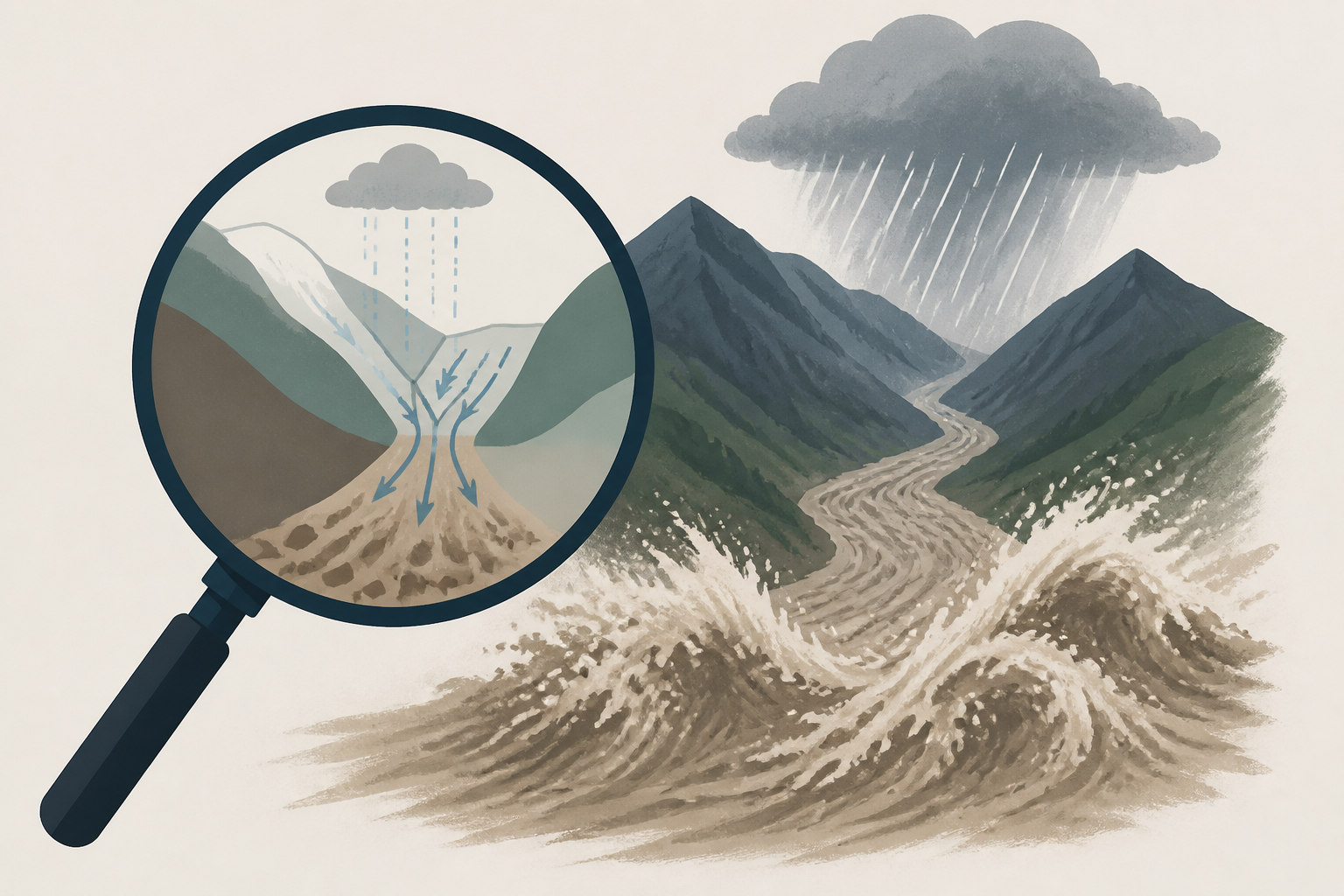
- The catastrophic August flooding on the Nepal-China border, which killed at least 1,300 people and left over 5,000 missing, was caused by a massive rock-ice avalanche from Langtang Lirung mountain, releasing energy equivalent to a magnitude 5.2 earthquake.
- A new scientific analysis by over 20 international experts found the disaster resulted from multiple factors, including a 2015 earthquake that weakened the mountain slope, and decades of human-driven climate change exacerbating conditions.
- Climate change has raised the zero-degree Celsius line by over 320 feet per decade in the Himalayas, weakened permafrost that acts as a glue in mountain slopes, and caused glacier thinning and increased meltwater, all contributing to slope instability.
- The region experienced record warm temperatures in July and August, about 1.5°C higher due to climate change, which likely increased meltwater and further destabilized the mountain before the collapse.
- Scientists warn that such unprecedented disasters are beyond current early warning systems and emphasize that without rapid fossil fuel pollution cuts, similar large-scale events will become more frequent.


