AI Image
What to Do If You Find Grubs in Your Lawn
Martha Stewart • • science
Key Points:
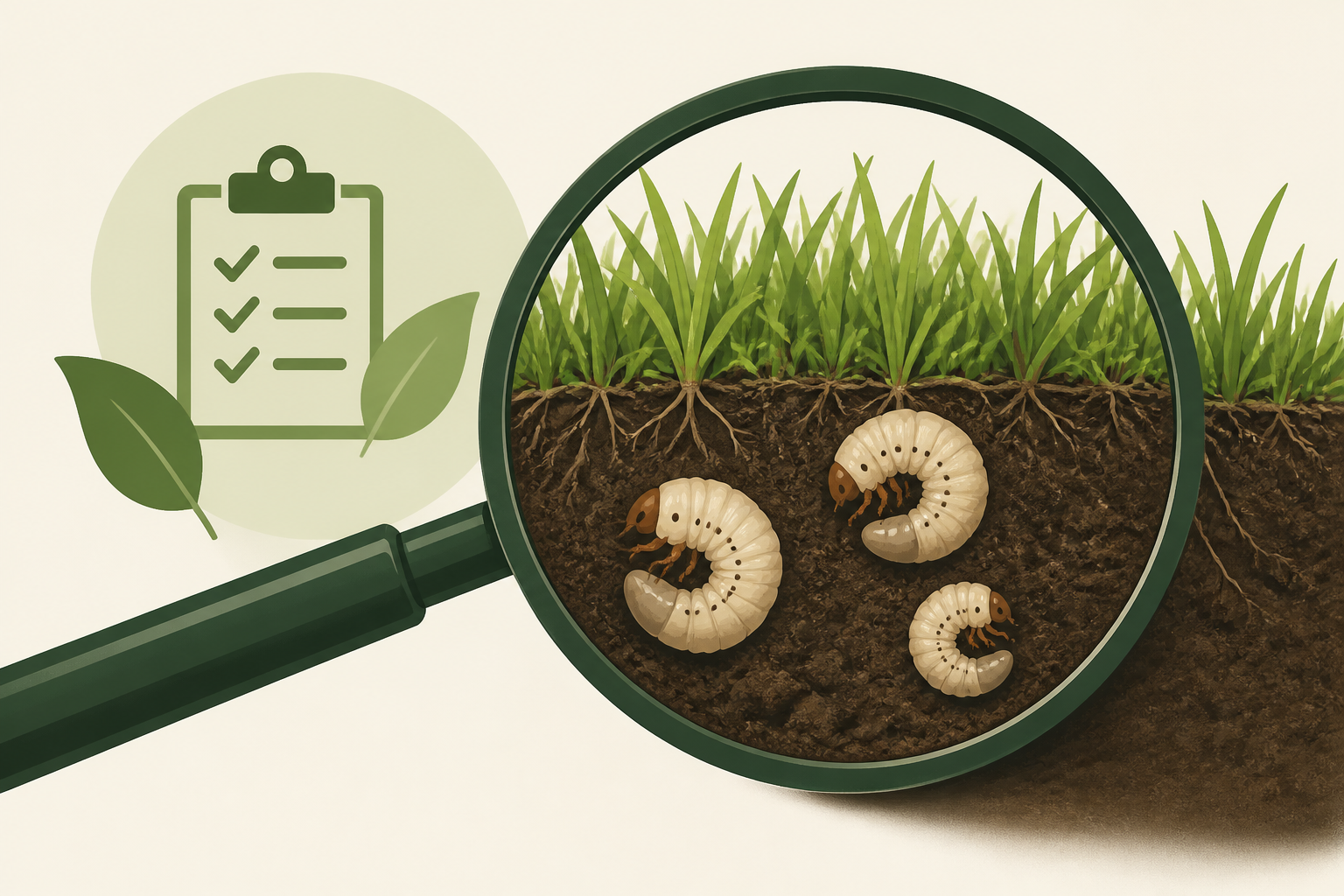
- Grubs, beetle larvae that damage lawns by feeding on grass roots, can be identified by yellow and brown dry patches, peeling grass, and increased bird activity; an infestation is likely if more than six grubs per square foot are found.
- Effective natural removal methods include introducing beneficial nematodes, microscopic worms that kill grubs by releasing bacteria inside them, and encouraging predatory beetles like ground, rove, and soldier beetles by providing shelter and avoiding broad-spectrum pesticides.
- Avoid tilling the yard or hand-picking grubs, as tilling can harm soil health and promote weed growth, while hand-picking is inefficient and unlikely to remove all grubs.
- Preventative measures include scarifying the lawn to remove thatch, which serves as a breeding ground for grubs, and promoting deep root growth by watering less frequently but for longer periods to enhance lawn resilience.
- Encouraging bird activity in the garden can also help control grub populations naturally, as birds feed on these larvae.


