AI Generated Image
What to know about alpha-gal syndrome
NBC Boston • • health
Key Points:
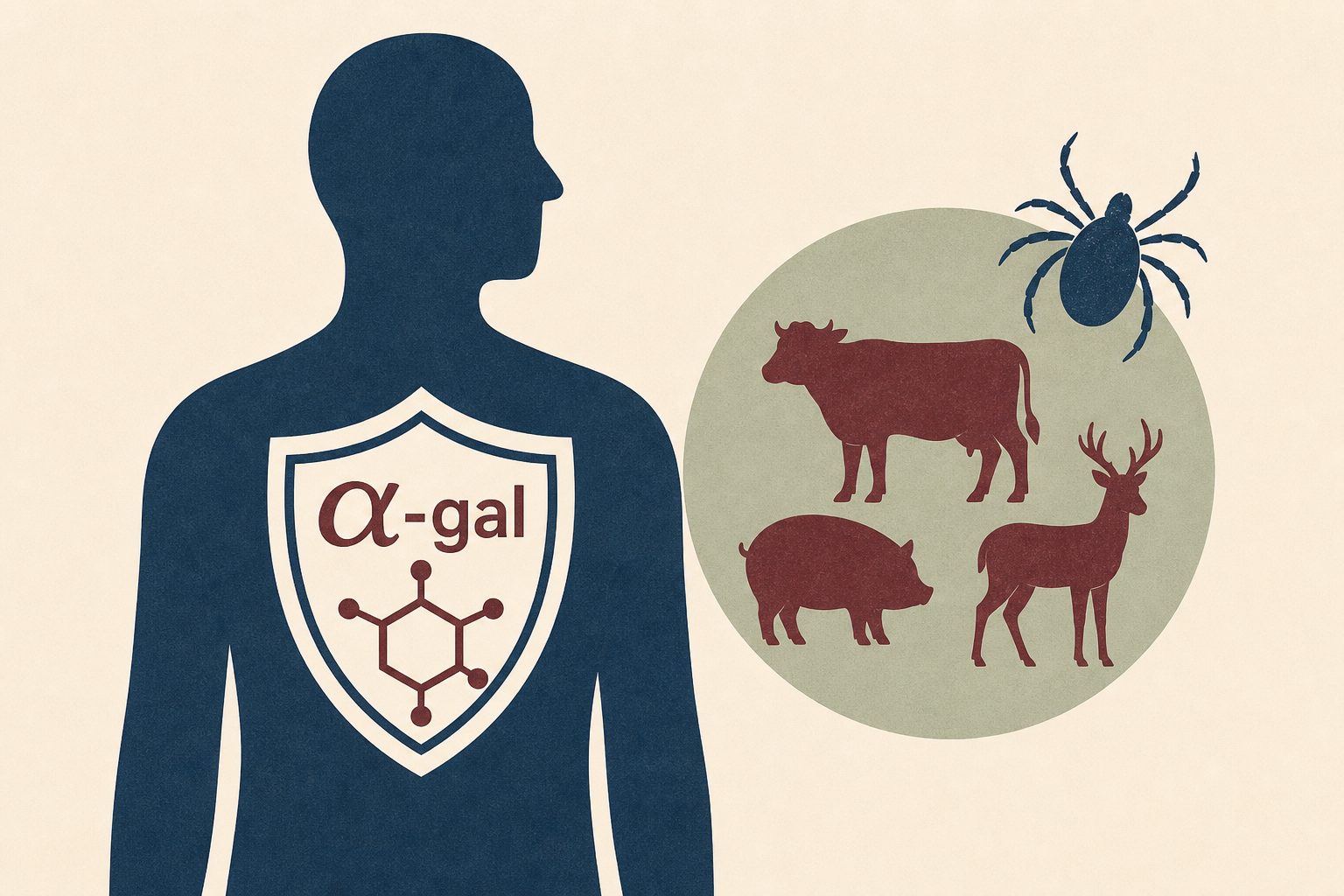
- Alpha-gal syndrome is a life-threatening allergy to mammalian meat and some dairy products triggered by tick bites, particularly from the lone star tick, which introduces a sugar called alpha-gal into the bloodstream, causing an immune response.
- Cases of alpha-gal syndrome are rising due to increased awareness and the expanding range of the lone star tick in the U.S., with an estimated 450,000 Americans affected.
- Diagnosis involves blood tests for alpha-gal antibodies combined with symptom evaluation, as tests can yield false positives; symptoms include hives, digestive issues, and severe allergic reactions.
- Treatment traditionally involves avoiding mammalian meat and carrying epinephrine, but in 2024, the FDA approved Xolair, an injectable drug that reduces severe allergic reactions, offering new hope for patients.
- The allergy can sometimes fade over years if new tick bites are avoided, and research is ongoing into other biologic drugs that might prevent or mitigate the allergic response.


