AI Image
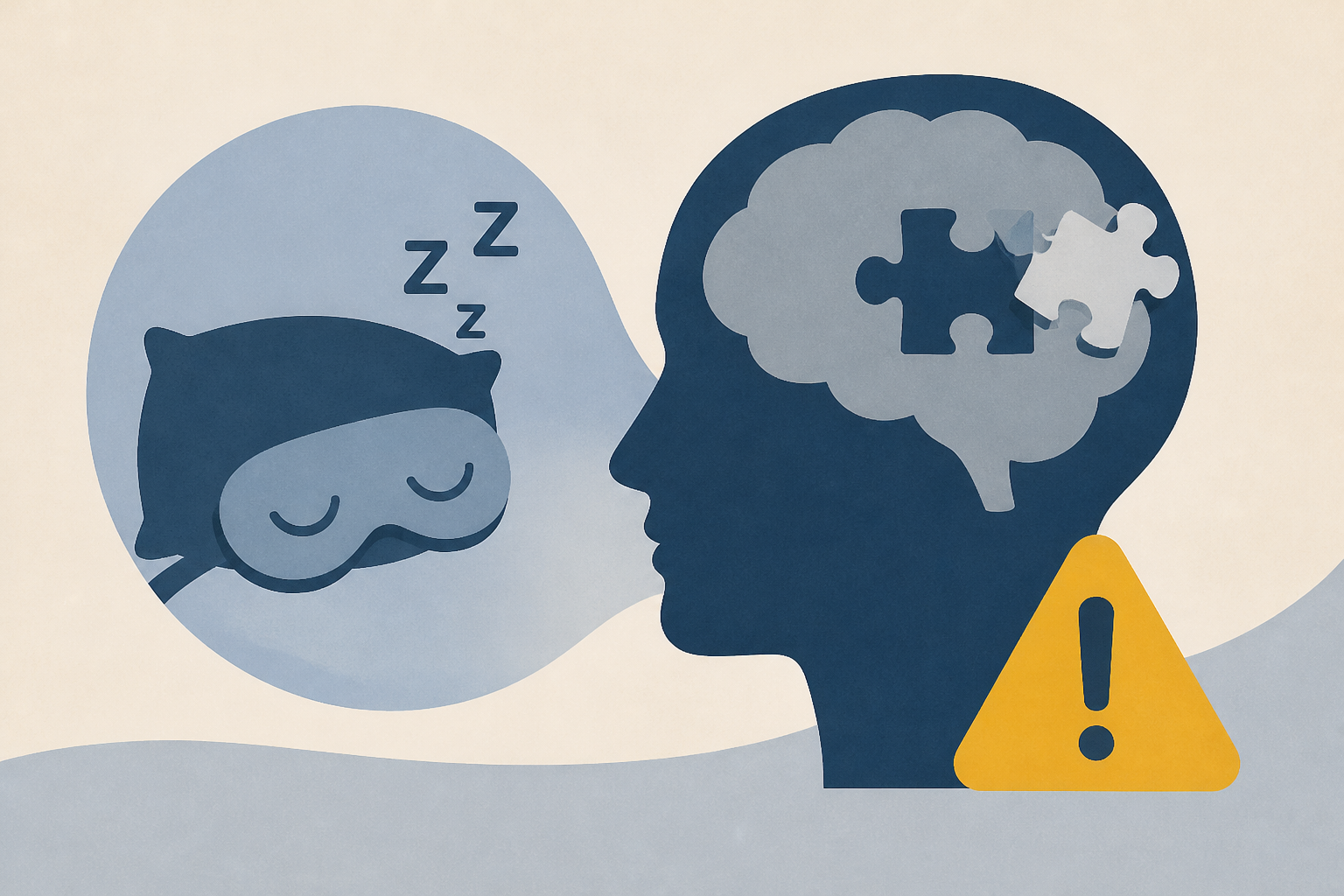
What Your Napping Says About Dementia Risk
Newser • • health
Key Points:
- A Johns Hopkins–led study tracked 995 Americans aged 65 and older for up to 10 years and found that daily napping was associated with a 48% higher risk of developing dementia compared to those who rarely or never napped.
- Unintentional daytime dozing was linked to a 39% increased risk of dementia, while naps lasting 30 minutes or less correlated with about a 40% higher risk.
- The study relied on self-reported data and does not establish a causal relationship between napping and dementia, with researchers noting inconsistent findings in other studies.
- Experts suggest a complex, bidirectional relationship where dementia may disrupt brain areas controlling sleep, making changes in napping habits a potential early warning sign of neurodegeneration.
- The findings were published in the Journal of Gerontology: Medical Sciences and highlight the need for further research into the connection between daytime sleepiness and dementia.


