AI Generated Image
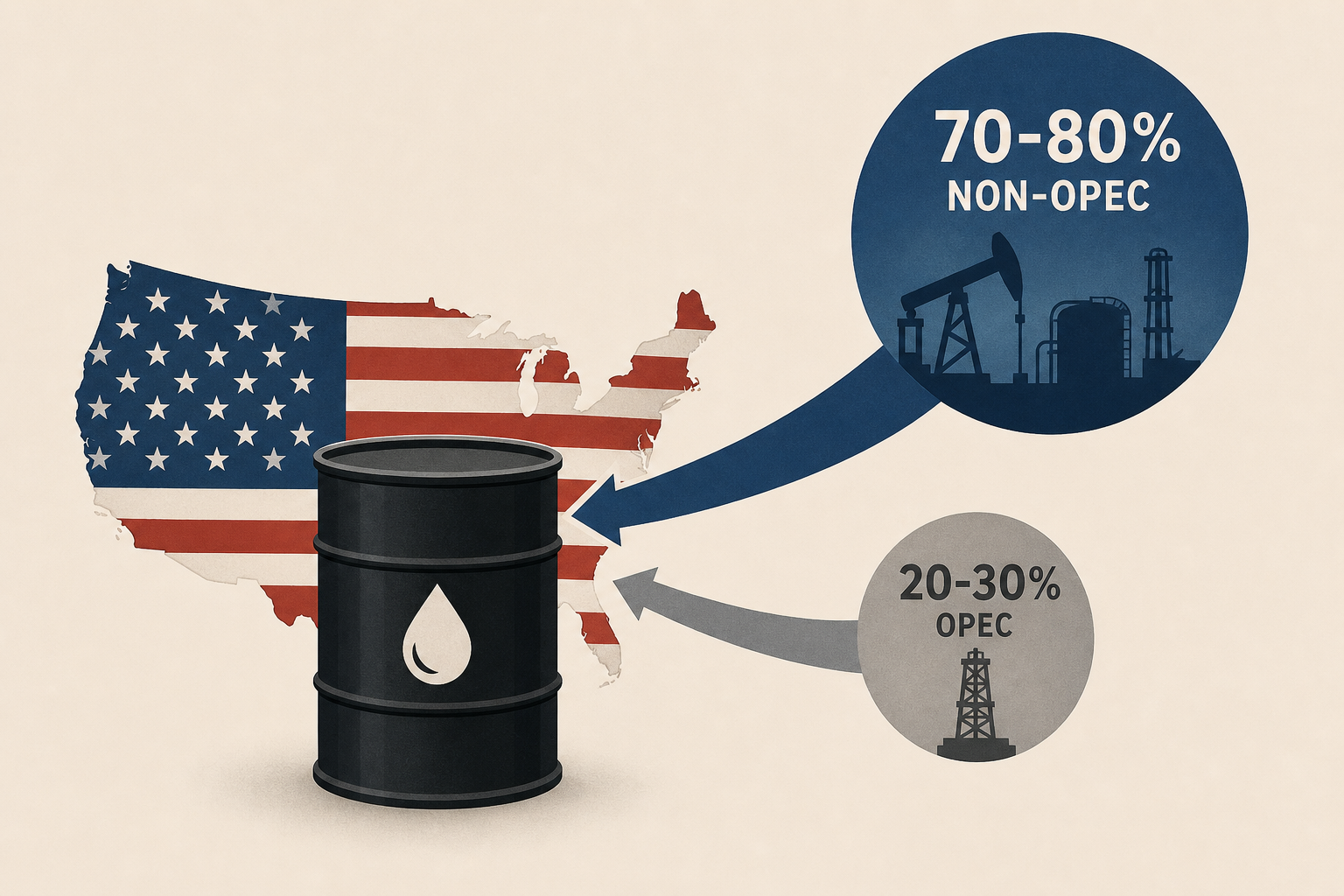
Where does the US get oil? Most doesn't come from OPEC
USA Today • • business
Key Points:
- Despite the U.S. being the world's top oil producer and importing only 8% of its oil from the Middle East, domestic oil and gasoline prices have surged due to global market dynamics influenced by renewed U.S.-Iran military tensions.
- Oil prices spiked following renewed conflict around the Strait of Hormuz, a crucial oil shipping route, with Brent crude futures rising about 3% to $78.40 and U.S. gas prices averaging $3.87 per gallon, over 70 cents higher than the previous year.
- The global nature of the oil market means disruptions in the Middle East affect prices worldwide, as oil flows to the highest bidders regardless of origin, impacting U.S. consumers despite substantial domestic production.
- The West Coast, particularly California, is more vulnerable to Middle East oil shocks due to its reliance on imports from that region, contributing to gas prices as high as $5.93 per gallon in the state.
- Although the Iran conflict has caused higher prices, it has not triggered a gasoline shortage or crisis comparable to the 1970s oil embargo; however, sustained supply disruptions and damaged oil infrastructure in the Middle East suggest elevated prices may persist for an extended period.


