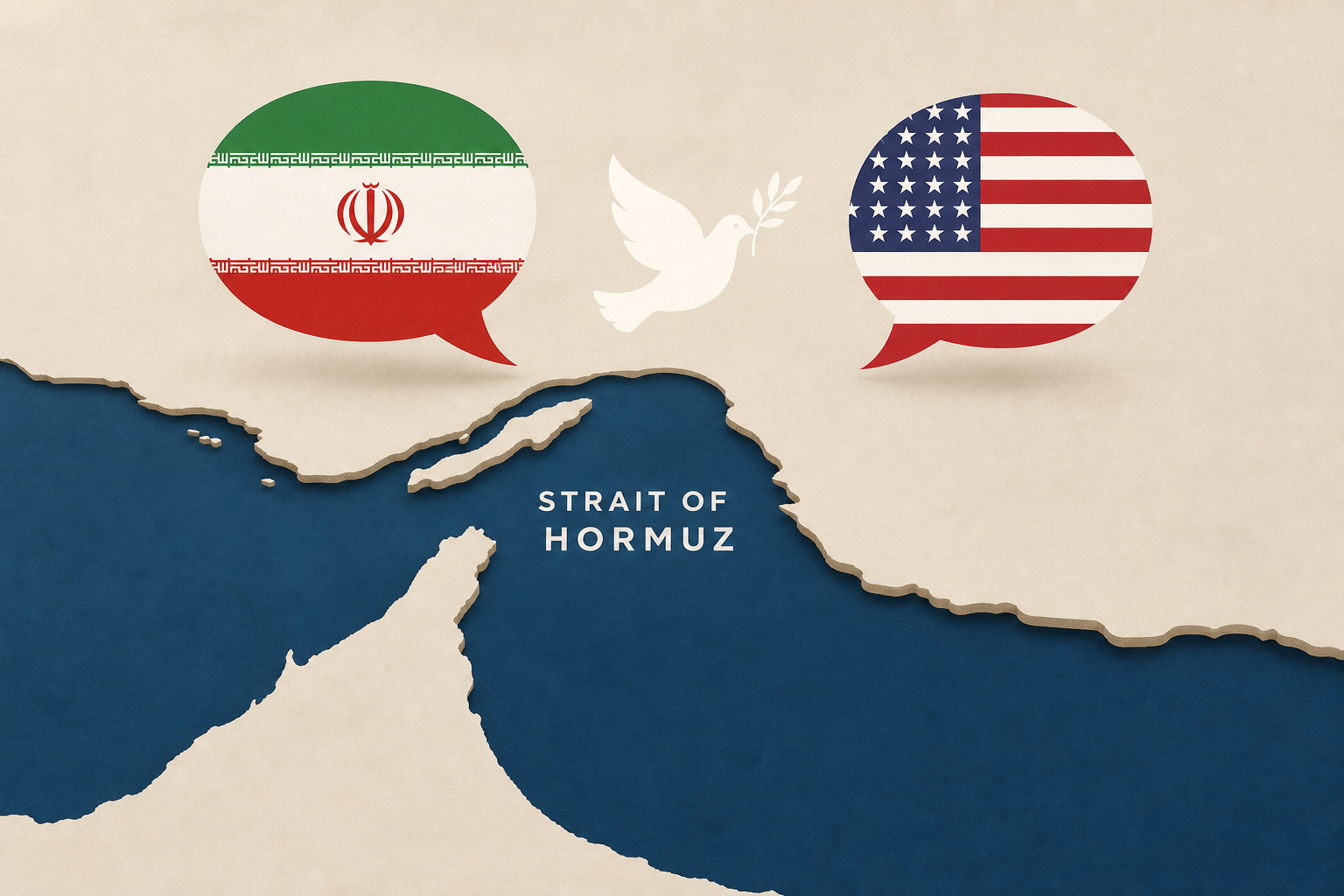
AI Generated Image
Where the Strait of Hormuz stands as Iran and US negotiate a peace deal
AP News • • nation
Key Points:
- Ship traffic in the Strait of Hormuz has increased following an interim Iran-U.S. deal to end a war that disrupted global oil supplies, but activity remains below prewar levels due to ongoing security concerns and partial closures.
- Iran and the U.S. have both threatened to impose tolls on vessels crossing the strait, with Iran establishing a new authority to collect fees and the U.S. warning of possible charges if a final agreement is not reached within 60 days.
- Experts warn that charging tolls in the Strait of Hormuz could violate international maritime law, particularly the United Nations Convention on the Law of the Sea, which guarantees freedom of transit passage through natural straits.
- The strait remains partially mined and closed along its central route, forcing ships to use alternative northern and southern routes, with many vessels exercising caution by following prescribed paths or disabling tracking transponders.
- Despite the interim agreement and ceasefire extension, uncertainty persists, and disruptions to shipping and commodity flows could continue for months as negotiations on the strait's administration and toll policies proceed.


