AI Generated Image
Why certain ultraprocessed foods are more addictive than others
CNN • • health
Key Points:
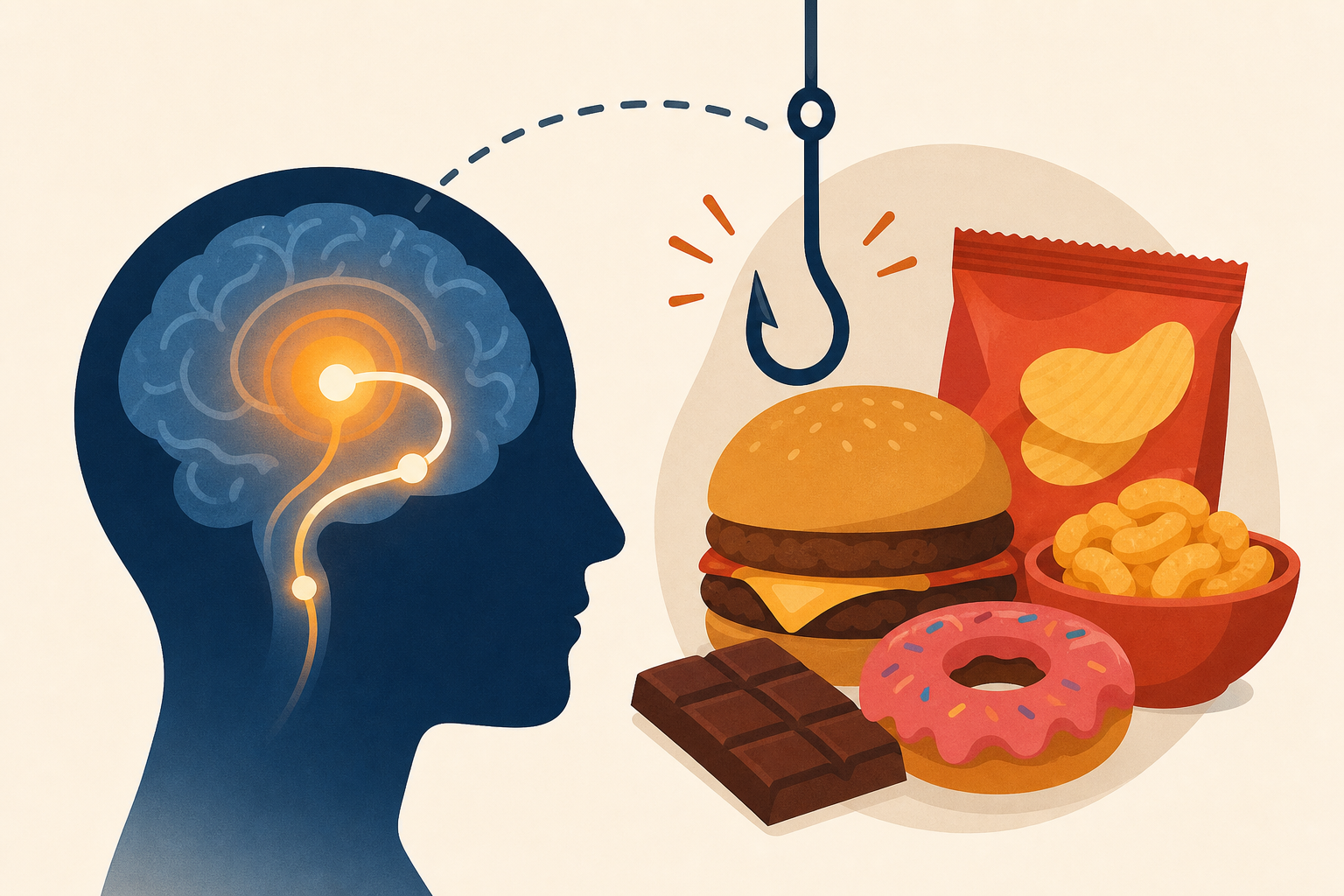
- Ultraprocessed foods (UPFs), which combine high levels of refined carbs, fats, salt, and flavorings, are engineered to create an intense, addictive eating experience, leading to clinical addiction in a growing portion of the U.S. population according to the Yale Food Addiction Scale.
- Humans have a primal biological drive to seek key nutrients like sodium, sugar, and fat for survival, but modern UPFs exploit this drive through hyperpalatable combinations that are easily and instantaneously available, contributing to overeating and addiction.
- Studies show that ultraprocessed diets cause people to consume significantly more calories daily compared to whole foods, with UPFs linked to increased risks of obesity, cardiovascular disease, type 2 diabetes, cognitive decline, stroke, and certain cancers.
- Not all UPFs are equally addictive; foods high in refined carbohydrates and fats delivered in energy-dense forms, such as cookies, pizza, chips, and fast-food items, are most likely to trigger addictive responses, while minimally processed foods are less habit-forming.
- Experts advise monitoring intake of refined carbs and saturated fats, reading food labels carefully, and being mindful of eating behaviors such as cravings, loss of control, and eating beyond fullness as warning signs of potential UPF addiction.


