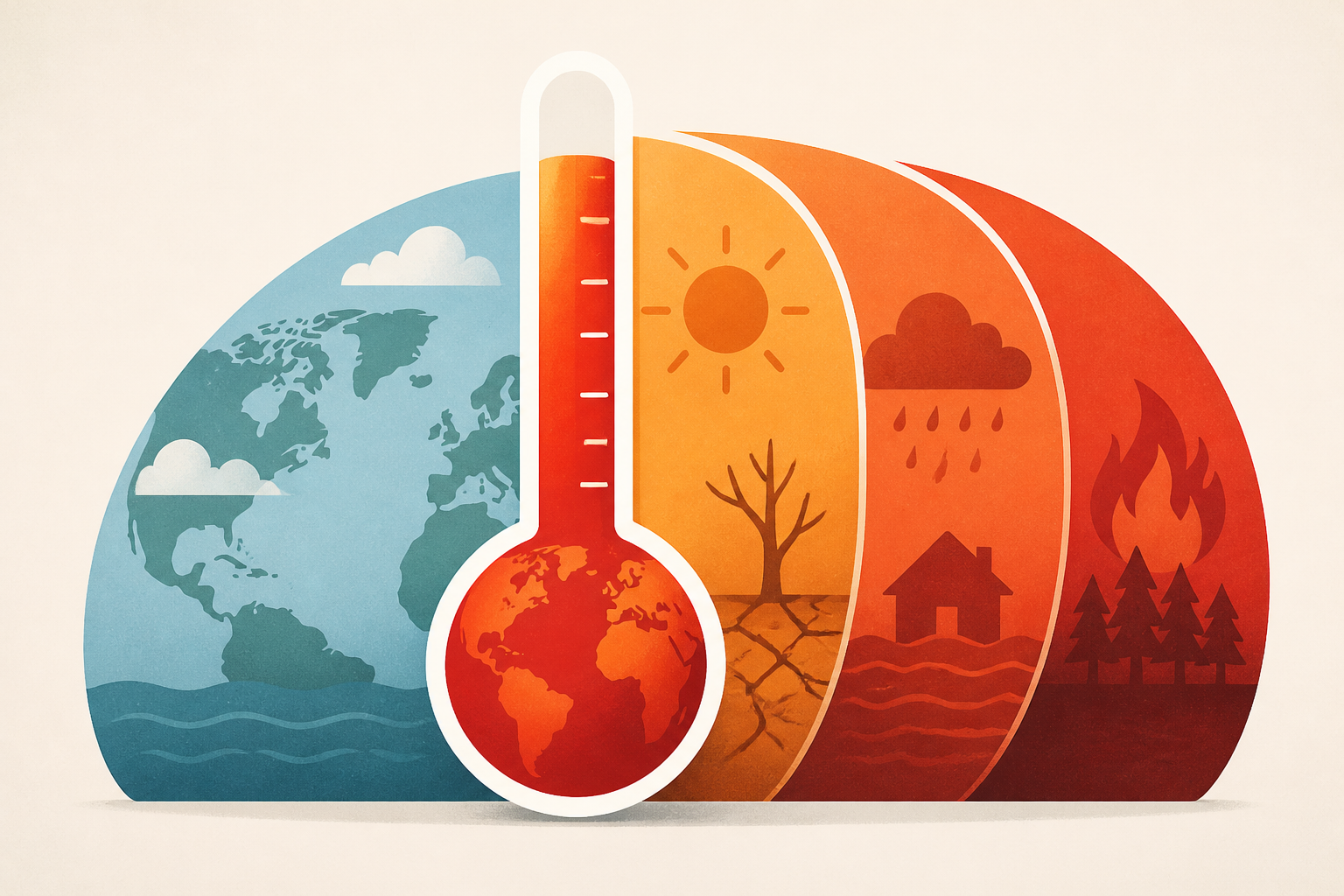
AI Image
Why even a fraction of a degree can escalate climate change impacts
NPR • • world
Key Points:
- At the COP31 summit in Turkey, countries acknowledged that limiting global warming to 1.5°C is now unattainable, with current trajectories pointing to 1.7–1.8°C warming or potentially 2.8°C by century's end if fossil fuel emissions continue unabated.
- The difference between 1.5°C and 2°C warming is critical, as it significantly increases the risk of extreme weather events and threatens sensitive ecosystems, including coral reefs, which could lose 99% of their species beyond 2°C warming.
- Coral reefs, vital for biodiversity and human livelihoods, are facing their fifth global bleaching event due to rising ocean temperatures, with nearly half of coral species at risk of extinction, prompting conservation efforts focused on restoration and resilience.
- Rising global temperatures expose millions more people to deadly heat waves, which disproportionately affect vulnerable populations and have already caused tens of thousands of deaths, highlighting the severe human health risks of climate change.
- Increased warming also intensifies storms and raises the risk of catastrophic tipping points, such as Antarctic glacier collapse, which would lead to significant sea-level rise, underscoring the urgent need to minimize warming to manage these risks.


