AI Generated Image
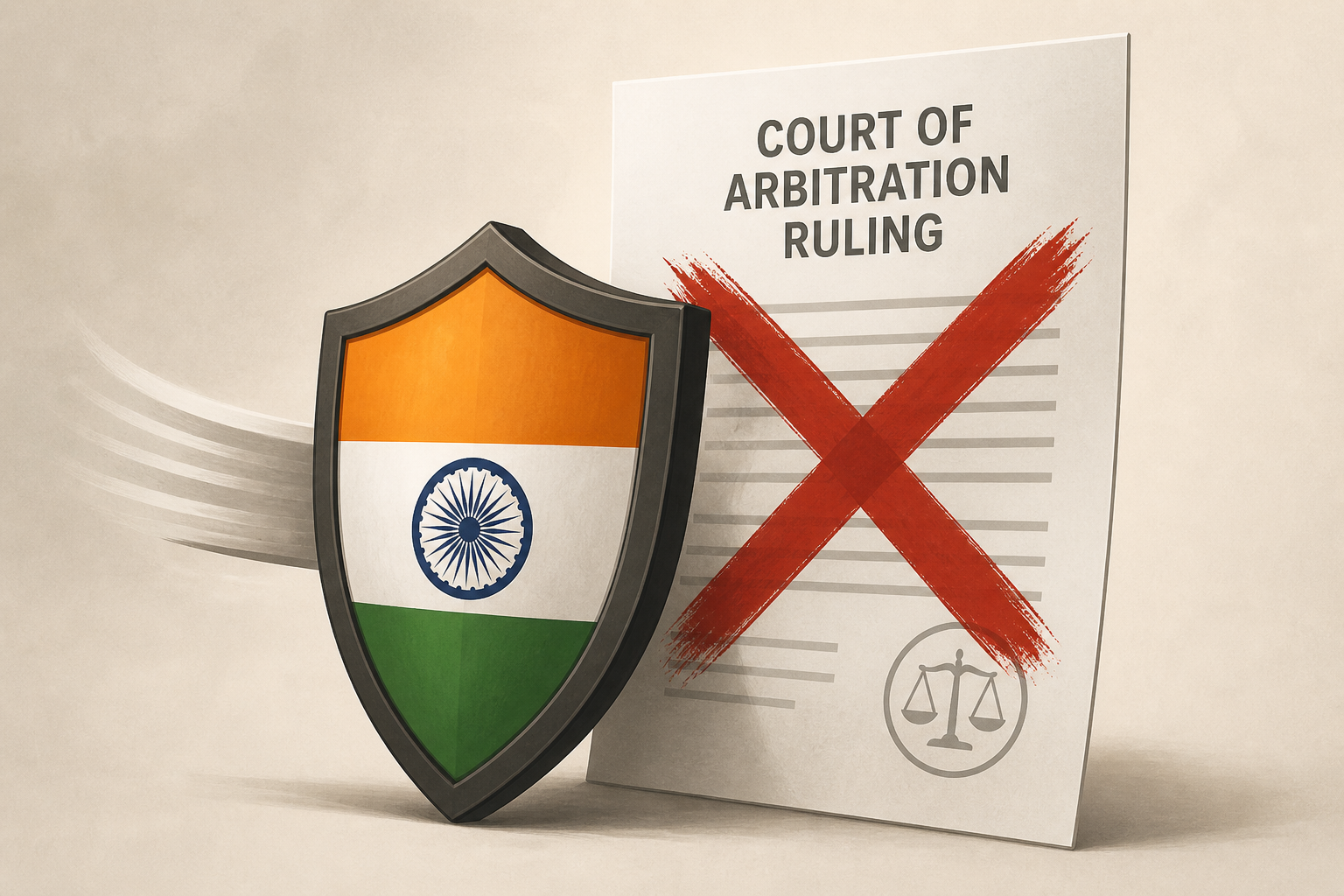
Why India Rejects Court of Arbitration Ruling
The Indian Express • • world
Key Points:
- The Court of Arbitration ruled on August 31 that the Indus Waters Treaty remains fully in force, rejecting India's claim that it could suspend or terminate the treaty unilaterally following the Pahalgam terror attack.
- The Court found no justification for suspending or terminating the treaty based on grounds such as sovereignty, alleged breaches, terrorism, demographic or climate changes, or armed conflict, and affirmed that both India and Pakistan must mutually agree to modify or end the treaty.
- Regarding the Ratle Hydro-Electric Plant on the Chenab River, the Court ordered India to halt concreting certain parts of the dam above specified levels and to report any changes in the construction schedule, responding to Pakistan's challenge over treaty compliance.
- India rejects the Court's ruling, maintaining that the Court of Arbitration is illegally constituted and that the Neutral Expert process under the treaty is the appropriate mechanism for resolving disputes, declaring the Court's decisions null and void.
- The dispute has heightened tensions, with Pakistan expressing concern over its water security and accusing India of violating the treaty, while India insists on its stance that cross-border terrorism must end and has sought renegotiation of the treaty to reflect changed realities since the 1950s.


