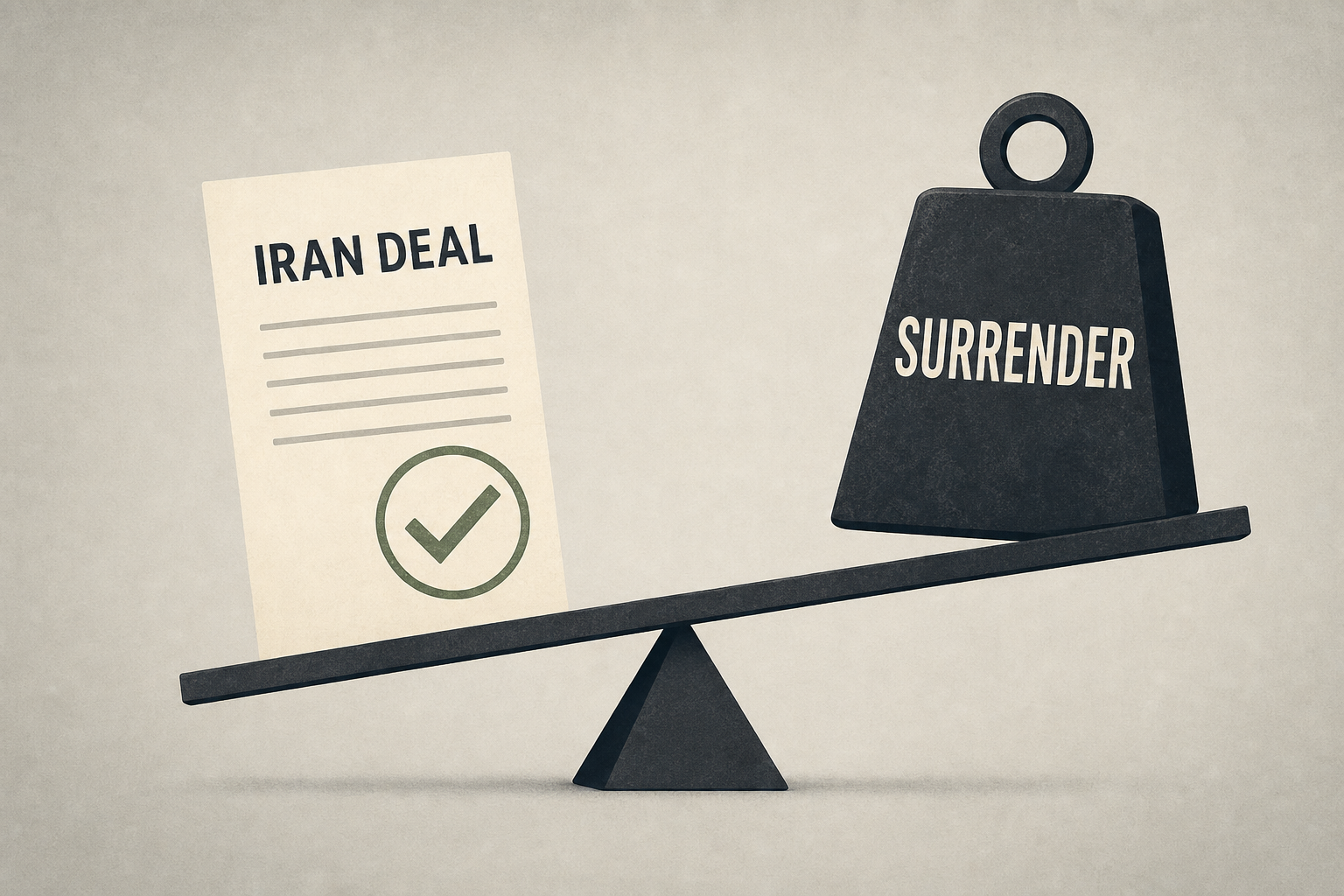
AI Generated Image
Why the Iran Deal Is Criticized and Called 'Surrender'
Newsweek • • nation
Key Points:
- President Donald Trump announced a memorandum of understanding (MOU) to end the Iran war and reopen the Strait of Hormuz, with the formal signing expected in Switzerland by Friday; however, the deal has faced criticism for potentially favoring Iran and lacking clarity on key provisions.
- Israel strongly opposes the MOU, criticizing the absence of its involvement in negotiations and expressing concerns over Iran’s continued control of the Strait and the lifting of U.S. sanctions; Israeli officials vow to maintain military presence in Lebanon despite the agreement.
- U.S. Democratic Senator Chris Murphy described the deal as a "surrender to Iran," warning that releasing frozen Iranian funds before a nuclear agreement would weaken U.S. leverage, while experts caution that the MOU is a temporary measure requiring difficult follow-up negotiations.
- The MOU reportedly allows toll-free passage through the Strait of Hormuz for 60 days, but Iran intends to retain sovereignty and potentially reinstate tolls afterward, signaling a strategic concession that remains reversible based on future negotiations or conflict.
- In Iran, negotiators face backlash from hardliners for perceived capitulation, while Israeli officials reaffirm ongoing military operations in Lebanon, Syria, and Gaza, indicating that regional tensions and conflicts persist despite the new agreement.


