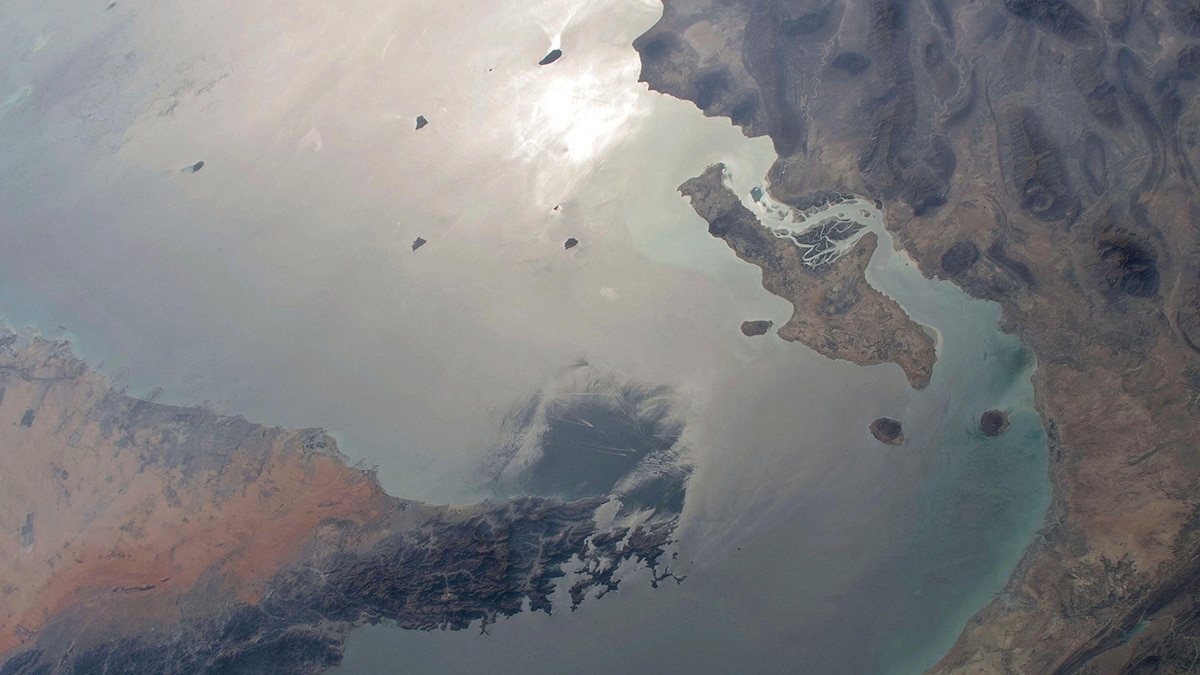
Why the Strait of Hormuz is a geological wonder
National Geographic • • nation
Key Points:
- The Strait of Hormuz, a critical maritime chokepoint for about a quarter of the world’s seaborne oil trade, was formed by the collision of the Arabian and Eurasian tectonic plates around 35 million years ago, creating the Persian Gulf and the narrow waterway between it and the Gulf of Oman.
- This geological collision also created the Zagros Mountains in Iran and the Musandam Peninsula of Oman, notable for its exposed ophiolite rocks, representing ancient oceanic crust thrust onto land, making it a unique geological site.
- Rising sea levels after the Last Glacial Maximum flooded the Persian Gulf and the Strait of Hormuz, turning it into a vital shipping route that remains strategically important but vulnerable due to its narrow geography shaped by ongoing tectonic activity.
- The tectonic processes that formed the region also contributed to the vast oil and gas reserves beneath the Arabian plate, concentrated under Iran, Iraq, and Syria, making the Strait a crucial passage for global energy supplies.
- The Musandam Peninsula continues to move northward slowly, meaning the Strait of Hormuz will gradually narrow over millions of years, though this geological change is not expected to impact shipping routes in the near future.


