Why the US Navy won't blast the Iranians and 'open' Strait of Hormuz
Responsible Statecraft • • world
Key Points:
- In the early 20th century, navies were crucial for great power status, with the U.S. building the largest fleet to decisively win World War II, shaping global power dynamics and preventing Soviet expansion into Western Europe.
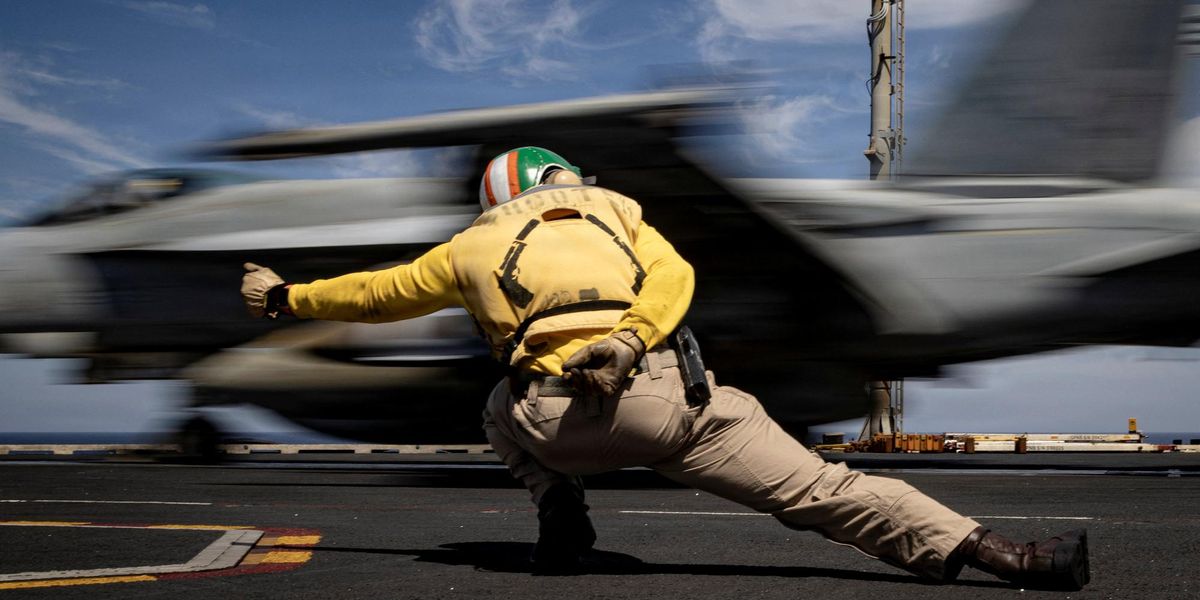
- The U.S. Navy's dominance allowed power projection via aircraft carriers, exemplified during the Vietnam War from offshore "Yankee Station," enabling sustained air assaults despite significant losses.
- Since the 1990s, the emergence of shore-based anti-access/area denial (A2/AD) systems, notably Iran's missile defenses in the Strait of Hormuz, has limited U.S. naval freedom of movement and forced carriers to operate at greater distances.
- China has developed sophisticated long-range anti-ship missile systems inspired by Iran's A2/AD strategy, posing significant risks to U.S. Navy vessels and challenging traditional naval power projection.
- The current strategic environment, highlighted by Iran’s and other states’ use of low-cost missile and unmanned systems, signals a shift away from traditional carrier dominance toward a new naval warfare paradigm where sea power near defended shores faces unprecedented challenges.


![Pixel 11 Pro is thinner, but mostly the same in first leak [Gallery]](https://media-cdn.cashwalklabs.io/https%3A%2F%2Fi0.wp.com%2F9to5google.com%2Fwp-content%2Fuploads%2Fsites%2F4%2F2026%2F03%2Fgoogle-pixel-11-pro-onl-2.webp%3Fresize%3D1200%252C628%26quality%3D82%26strip%3Dall%26ssl%3D1?format=webp&w=120&h=80)


