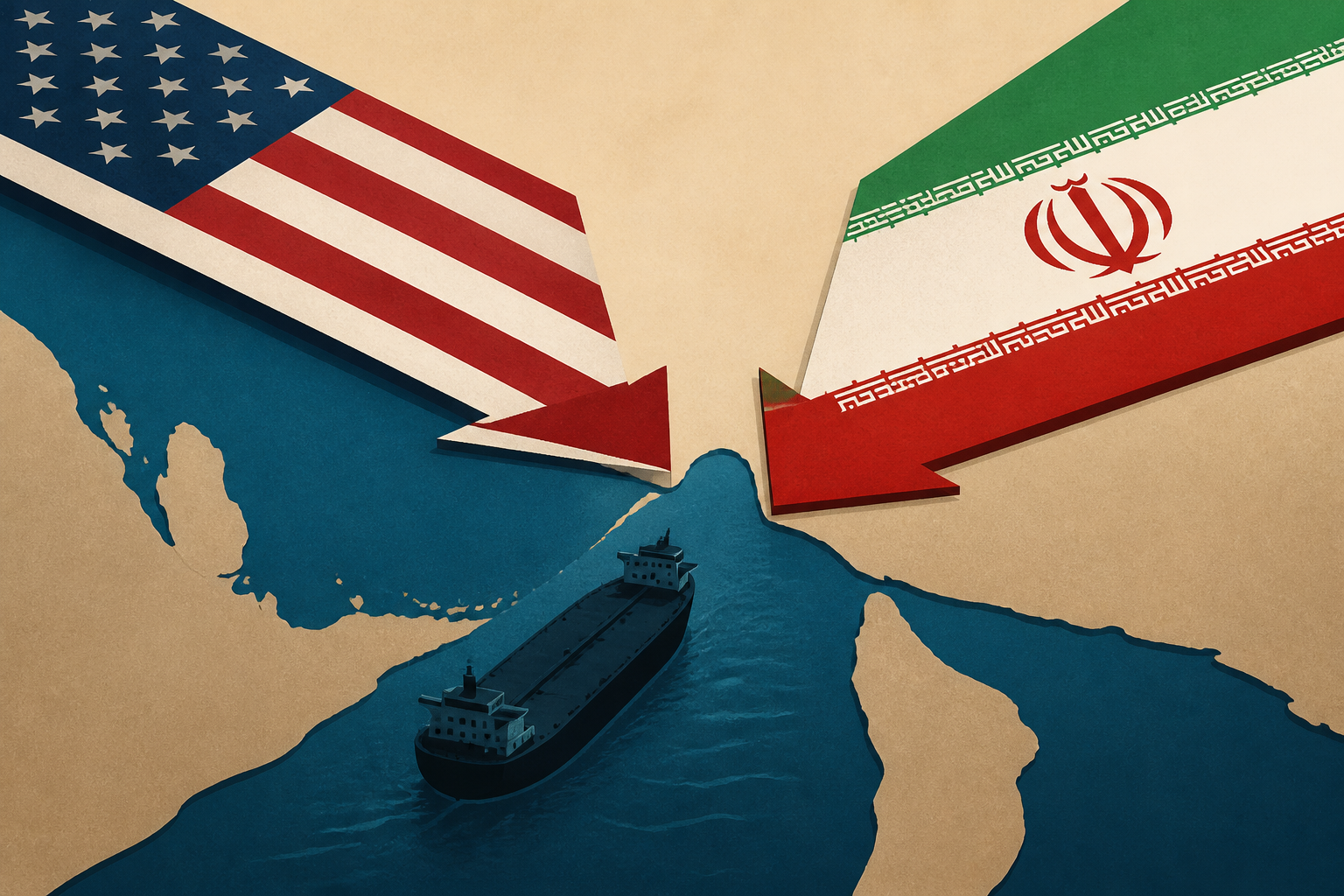
AI Generated Image
Why US-Iran war over Hormuz is threatening the Gulf’s waters
Al Jazeera • • nation
Key Points:
- The US-Israel conflict with Iran has escalated to naval confrontations near the Strait of Hormuz, with recent US strikes on Iranian oil tankers prompting retaliatory attacks, including one on Jordan’s al-Azraq airbase.
- The region is at environmental risk due to the large number of oil tankers—42 waiting to transit Hormuz, carrying an estimated 11.1 million barrels of oil, about 11% of the world’s daily demand—raising concerns over potential spills from further attacks.
- Since the war began, at least 75 ships have been attacked, resulting in 21 seafarer deaths and multiple oil spills and fires, including ongoing leaks from the Caroline Bezengi tanker off Oman’s coast affecting local ecosystems.
- Experts warn that chronic oil pollution in the Gulf, exacerbated by recent conflicts, threatens fragile marine habitats such as coral reefs and mangroves, which are vital for biodiversity, fisheries, and coastal protection.
- Oil contamination also poses risks to desalination plants that supply water to nearly 65 million people in Gulf countries, potentially affecting water quality and treatment processes, though advanced monitoring and treatment can mitigate some risks.


