AI Generated Image
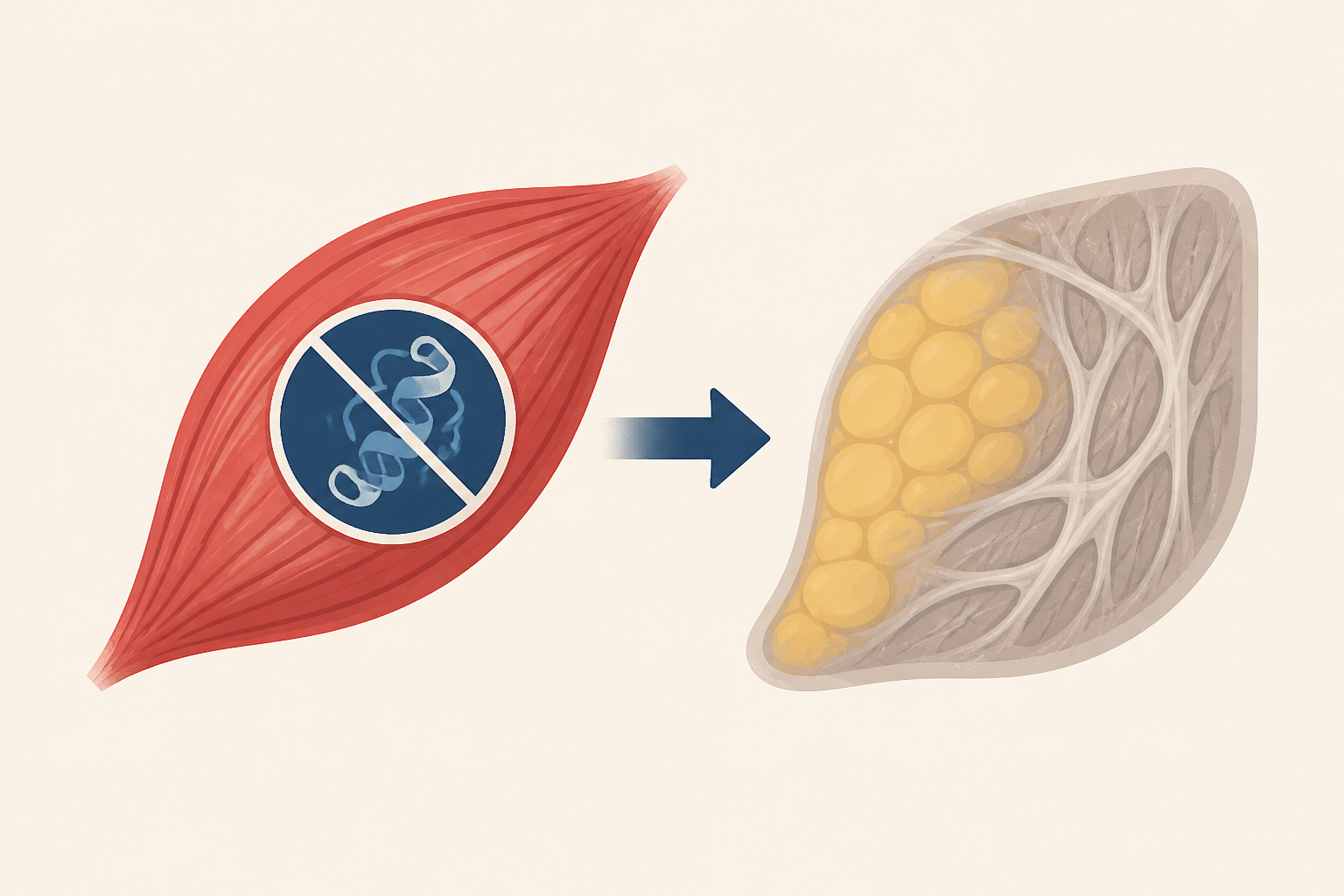
Without this protein, damaged muscle turns to fat and scar tissue
ScienceDaily • • health
Key Points:
- A study published in Science Advances reveals that the protein TRF2 plays a crucial role in muscle stem cells by preserving their genetic identity and enabling muscle regeneration, beyond its known function of protecting chromosome ends.
- Experiments showed that removing TRF2 from muscle stem cells in mice caused these cells to lose their identity and regenerative capacity, leading to fat and scar tissue accumulation after injury rather than healthy muscle repair.
- In a mouse model of Duchenne muscular dystrophy, the absence of TRF2 accelerated disease progression, increased muscle deterioration, and shortened lifespan, highlighting TRF2's importance in muscle health.
- TRF2 attaches to regulatory genome regions containing G-quadruplex DNA structures to maintain muscle stem cell identity, a mechanism that may also explain muscle's strong regenerative ability and low cancer incidence.
- Researchers aim to explore TRF2's unique role to develop potential therapies for muscular dystrophy and gain insights into cancer biology, with the study funded by the National Institutes of Health.


