AI Image
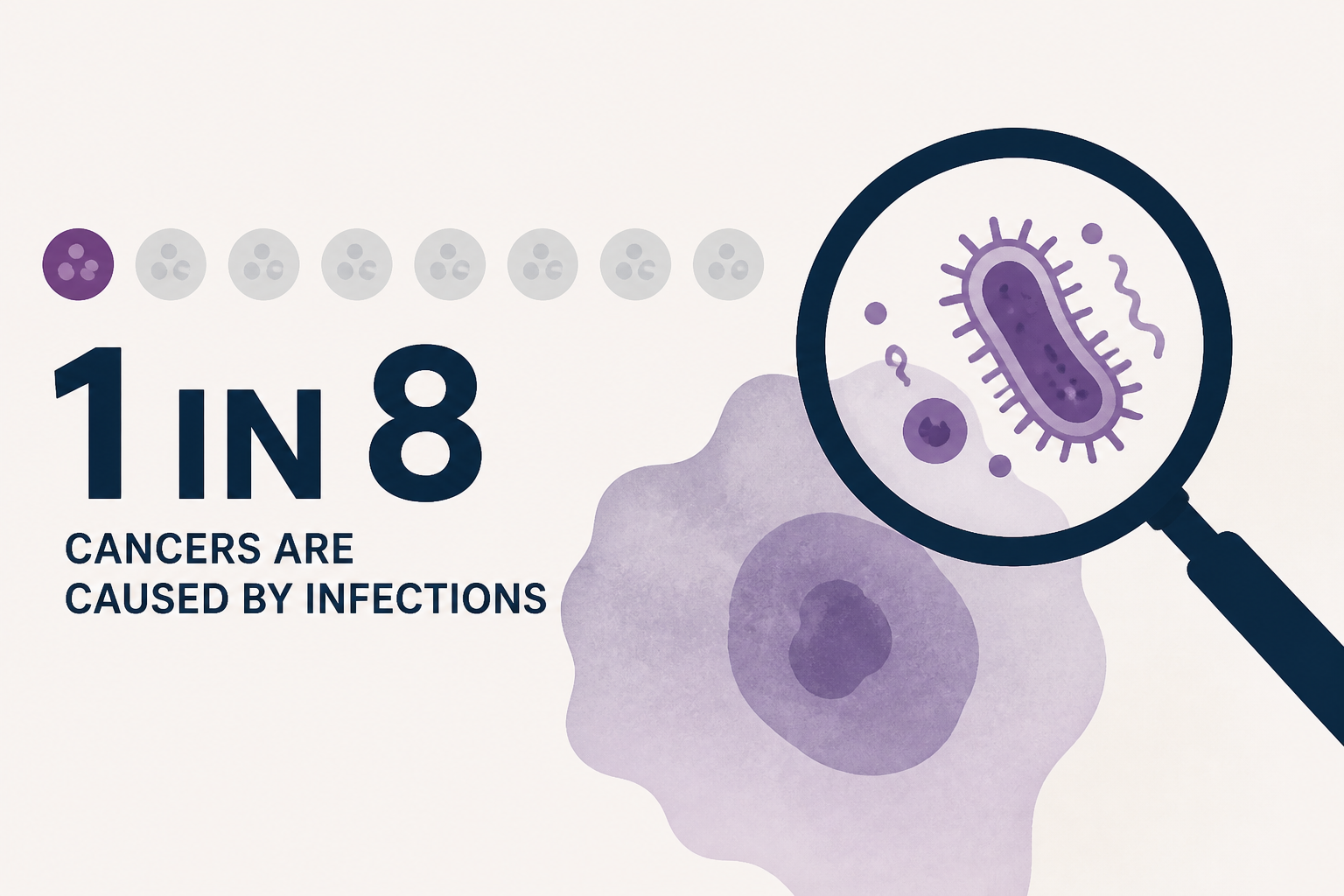
1 in 8 Cancers Are Caused by Infections. The Biggest Culprit Isn't HPV
Gizmodo • • health
Key Points:
- A World Health Organization study reveals that infectious diseases contribute to approximately one in eight new cancer cases globally in 2024, totaling around 2.3 million cancers.
- The largest cancer burdens come from Helicobacter pylori, responsible for about 760,000 stomach cancer cases, and human papillomavirus (HPV), causing roughly 750,000 cases, mainly cervical cancer.
- Many infection-related cancers are preventable or treatable through vaccines (e.g., HPV, hepatitis B), antibiotics (H. pylori), antivirals (hepatitis C, HIV), and improved sanitation to control parasitic infections.
- Despite the availability of preventive measures, vaccination rates remain suboptimal in some high-income countries like the U.S., where only 63% of teens are up-to-date on HPV vaccinations, compared to higher rates in countries like Denmark and Spain.
- The burden of infection-related cancers is disproportionately higher in low- and middle-income countries, highlighting the need for enhanced infection control and screening programs worldwide.


