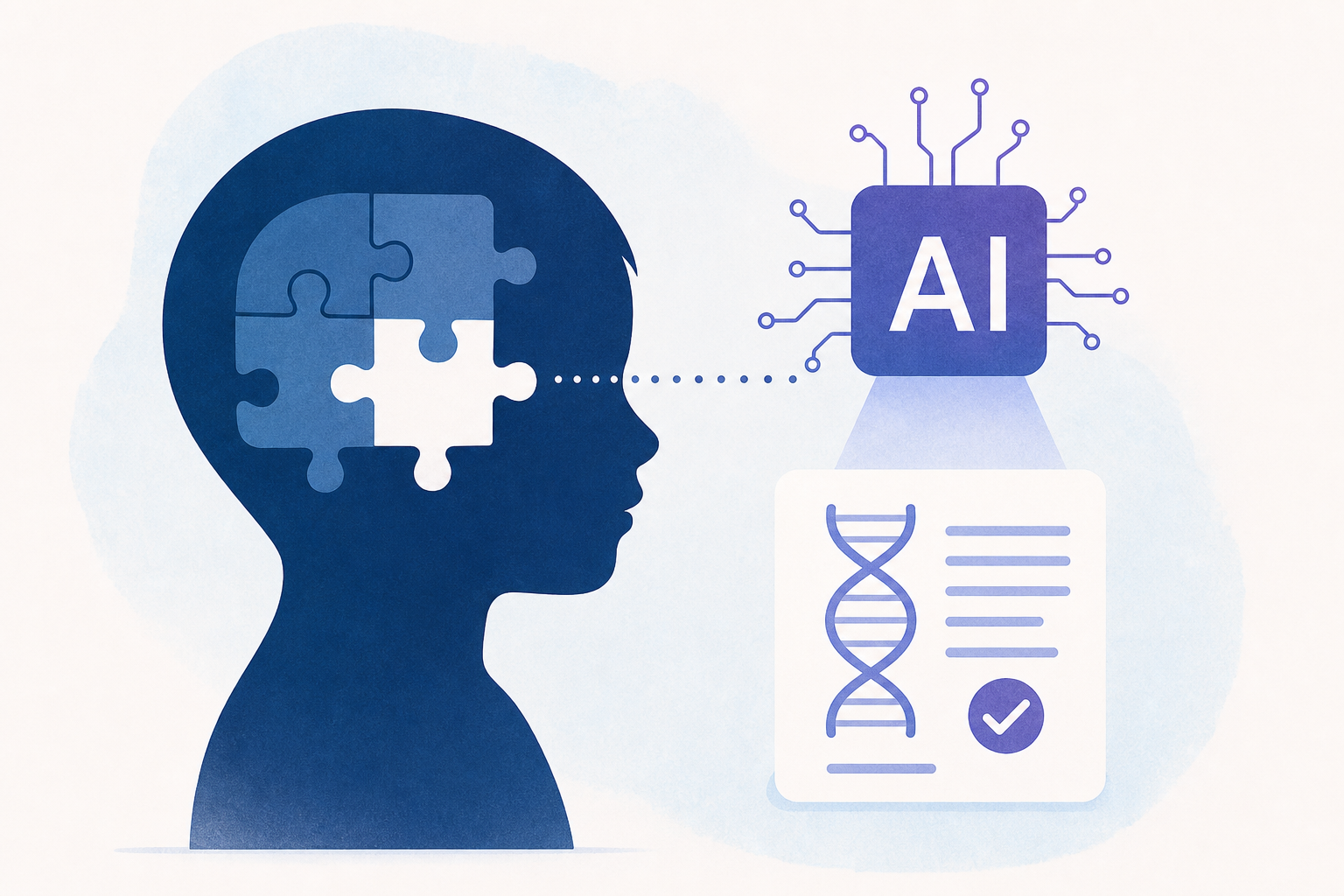
AI Generated Image
18 children had illnesses so rare doctors were stumped. AI gave them answers
Yahoo News Canada • • health
Key Points:
- A study published in NEJM AI revealed that OpenAI's o3 model helped diagnose 18 children with rare illnesses at Boston Children's Hospital, including neurodevelopmental and neuromuscular disorders.
- The AI analyzed 376 genomes from undiagnosed patients and identified nearly 5% new diagnoses, significantly aiding in cases that had previously gone unsolved despite extensive analysis.
- Researchers used the AI as a diagnostic tool alongside doctors' notes and patient symptoms, with human experts reviewing the AI's findings before confirming diagnoses.
- The study's lead researcher described the AI's impact as "a total game changer," highlighting its potential to speed up diagnosis for rare diseases affecting millions in the U.S.
- Despite skepticism about AI, patients like Kyra Benton acknowledged its benefits after receiving a long-awaited diagnosis for a progressive genetic disorder through the AI-assisted process.


