AI Image
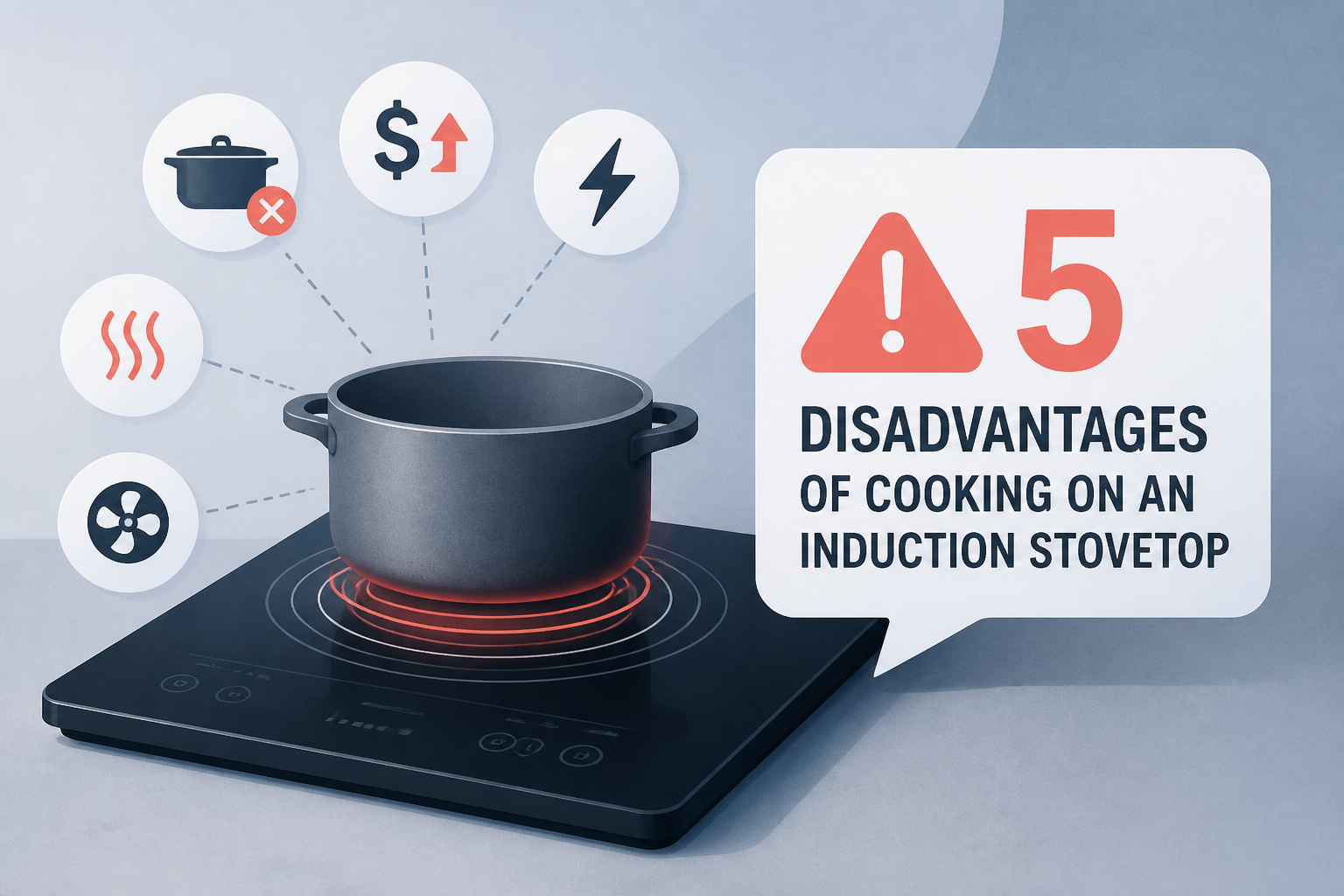
5 Disadvantages Of Cooking On An Induction Stovetop
Mashed • • technology
Key Points:
- Induction stovetops are gaining global popularity but have a relatively low adoption rate of 12% in the U.S., though incentives from the 2022 Inflation Reduction Act may boost purchases.
- A major drawback is cookware compatibility, as only magnetic-based pans like cast iron and certain stainless steel work on induction, while aluminum, copper, glass, and ceramic cookware do not.
- Switching from gas to induction involves higher upfront costs, including potential electrical upgrades for 240-volt outlets, and maintenance can be costly and challenging due to limited specialized repair services.
- The glass surface of induction stovetops is sleek but prone to chipping and cracking, and touch controls may be inconvenient or inaccessible for some users compared to traditional knobs.
- Induction stovetops emit electromagnetic fields that may interfere with medical devices such as pacemakers, so users with such devices should consult their doctors before switching.


