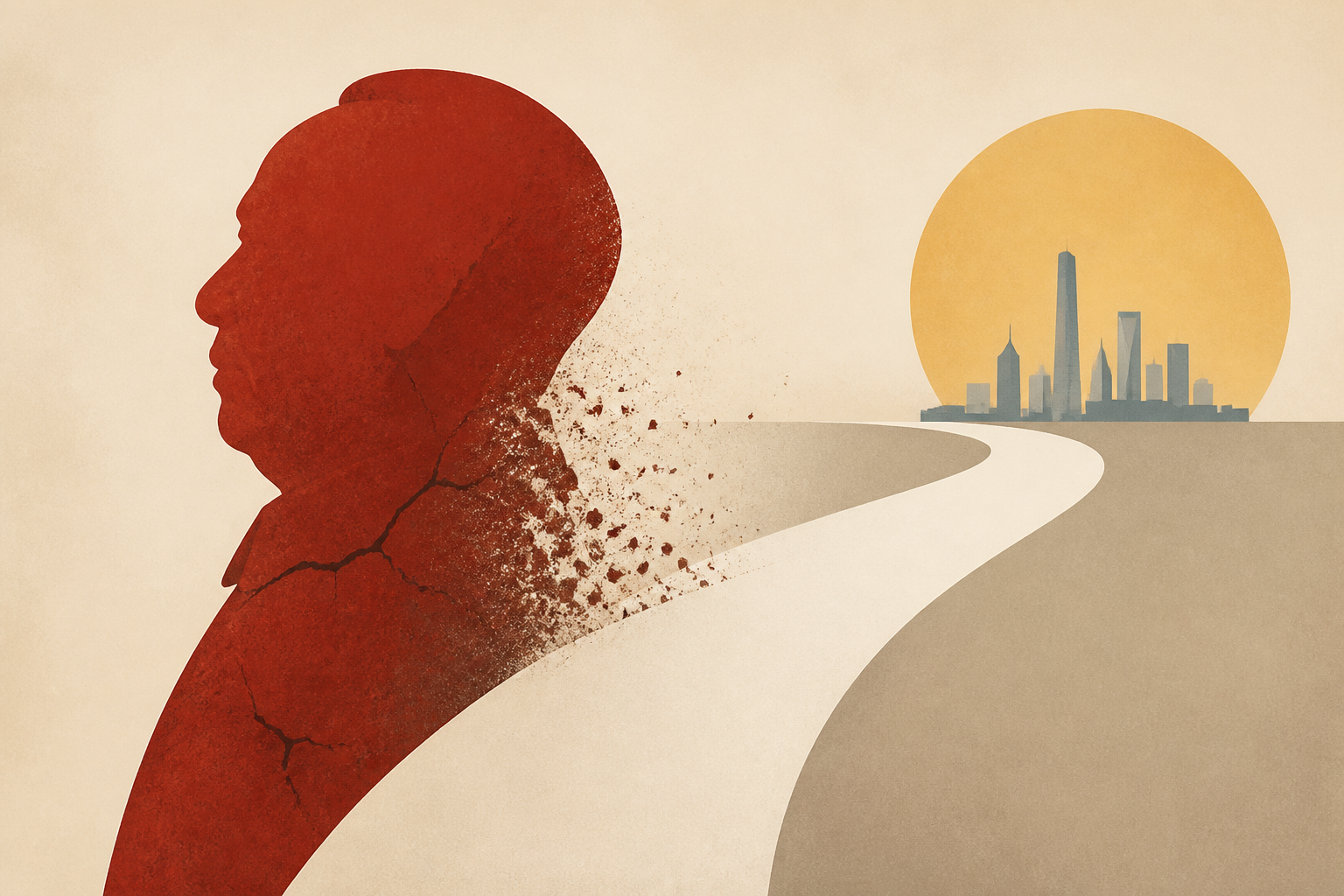
AI Generated Image
50 Years After Mao’s Death, China Has Left His Legacy Behind
Jacobin • • world
Key Points:
- On October 1, 1949, Mao Zedong proclaimed the establishment of the People’s Republic of China, ending decades of warlordism and civil war, and securing China’s international autonomy for the first time since the Opium War.
- Mao transformed China’s political and economic structures, creating a socialist working class with lifetime job security and extensive welfare, though his Great Leap Forward led to economic disaster and famine.
- Since Mao’s death in 1976, China has undergone a significant economic shift, dismantling the “iron rice bowl” and state-owned enterprises, resulting in a large capitalist proletariat of migrant and laid-off workers who sell their labor globally.
- Mao’s global vision of revolution faded, replaced by China’s integration into the global capitalist economy, while domestically, class struggle rhetoric has been officially retired, limiting the political identity and collective consciousness of the working class.
- Contemporary Chinese leadership under Xi Jinping has revived selective Maoist rhetoric alongside neo-Confucian ideas promoting social harmony, reflecting a departure from Mao’s revolutionary ideology and an emphasis on stability over class struggle.


