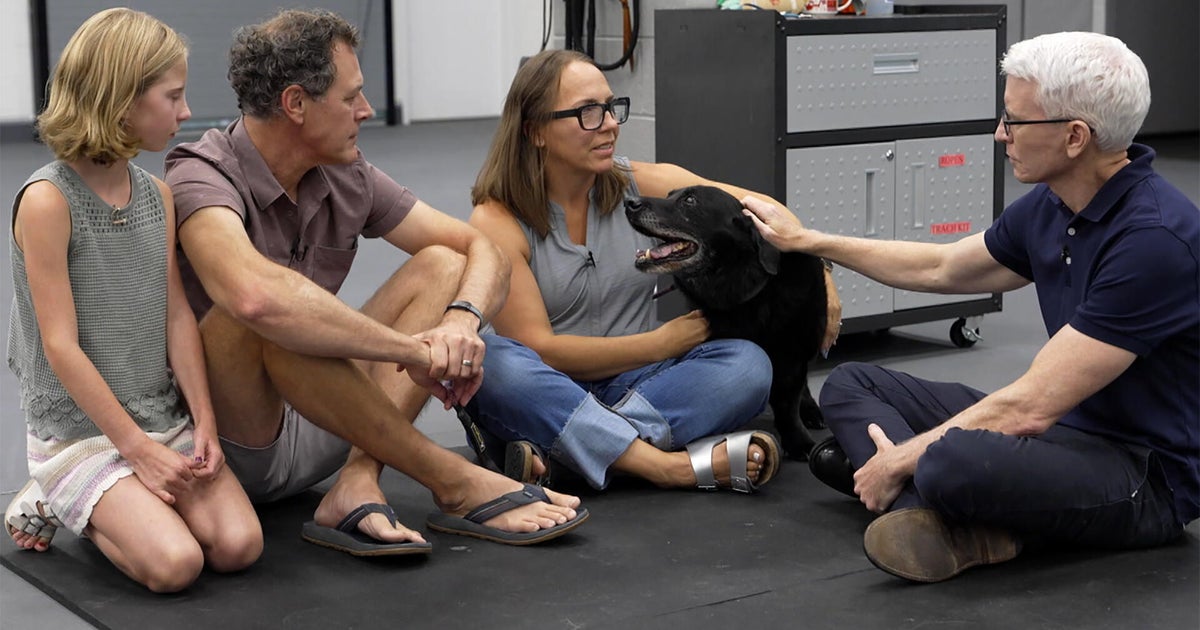
A dog's impact on the science of aging and his family
CBS News • • health
Key Points:
- The Rowe family adopted their dog Ralph in 2012, who later was diagnosed with dementia in 2025 and enrolled in the Dog Aging Project, a scientific study aimed at understanding aging and dementia in dogs to benefit both canine and human health.
- Dr. Dirk Keene from the University of Washington highlighted the similarities between dog and human brains, noting that dementia affects brain structure in comparable ways, making dogs a valuable model for studying diseases like Alzheimer's.
- Ralph underwent cognitive testing and MRI scans showing signs of dementia, including memory impairment and brain shrinkage, with no current effective treatments available, mirroring challenges faced in human dementia care.
- After Ralph's death, researchers studying the drug rapamycin found it reduced brain inflammation in dogs with dementia, including Ralph, suggesting potential therapeutic benefits that may inform future treatments.
- The Rowe family expressed pride that Ralph contributed to scientific research on dementia, while experts recommend keeping dogs mentally and physically active with a good diet as the best current approach to support canine brain health.


