AI Image
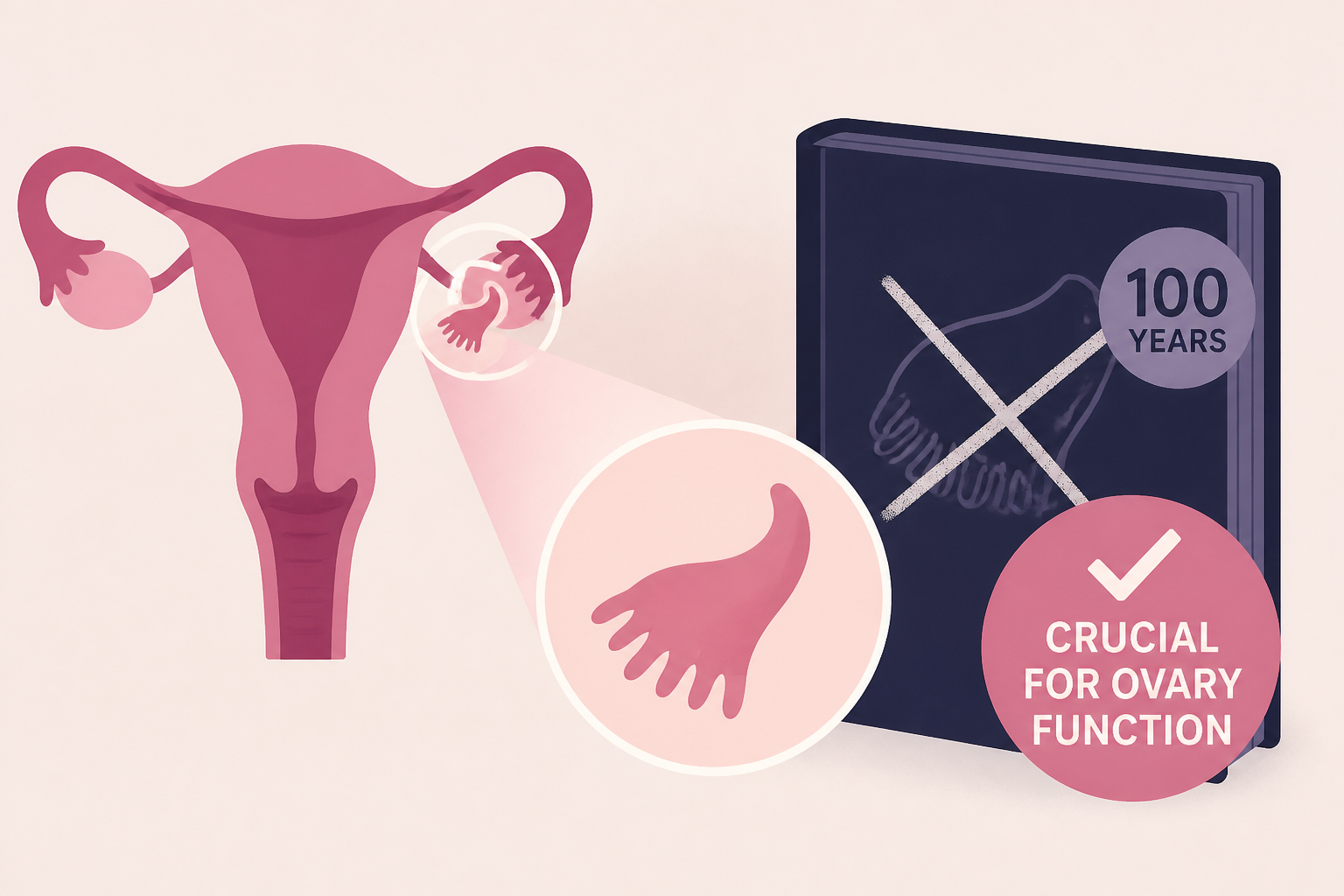
A female body part never reached books for a century because scientists thought it was useless; now researchers say it is crucial for ovary function
The Times of India • • health
Key Points:
- The rete ovarii, a small organ in the female ovary first discovered in 1870, was long dismissed as functionless and omitted from medical textbooks despite its presence in many mammals.
- A 2024 Duke University study revealed the rete ovarii plays a significant role in ovarian function, including communication with the nervous and circulatory systems and involvement in hormone response and egg maturation.
- The research found the rete ovarii contains hormone receptors and interacts with immune cells, suggesting it contributes to fertility and ovarian health throughout a woman's reproductive cycle.
- The rediscovery has sparked social media backlash criticizing the male-dominated medical research field for historically overlooking and dismissing female anatomy, with commentators highlighting gender bias in scientific study.
- This renewed focus on the rete ovarii encourages further investigation into female reproductive anatomy and challenges longstanding assumptions about women's bodies in medical science.


