AI Image
A healthcare system unravels as conflict mounts : NPR
NPR • • world
Key Points:
- A two-year ceasefire between Ethiopian government forces and Tigrayan rebels collapsed on September 24, leading to renewed violence and overwhelming hospitals in the Tigray region, especially in Mekele, where medical staff struggled to treat numerous war trauma patients amid communication and power outages.
- The Ethiopian military accuses Sudan, Egypt, and Eritrea of supporting Tigrayan militants allied with other rebel groups aiming to overthrow Prime Minister Abiy Ahmed, while drone strikes and ongoing attacks have pushed the fragile health system in northern Ethiopia closer to collapse, according to WHO Director-General Tedros Adhanom Ghebreyesus.
- Targeted attacks on healthcare facilities and workers, considered war crimes, have been widespread during the conflict, with surveys showing frequent armed takeovers of clinics and ambulances, perpetrated by both government and rebel forces, leading to severe disruptions in medical services and a lack of accountability.
- The conflict and subsequent aid blockades have devastated Tigray’s healthcare infrastructure, resulting in increased maternal mortality rates, a shortage of medical supplies and personnel, and the use of sexual violence as a weapon of war, leaving many civilians without access to essential healthcare.
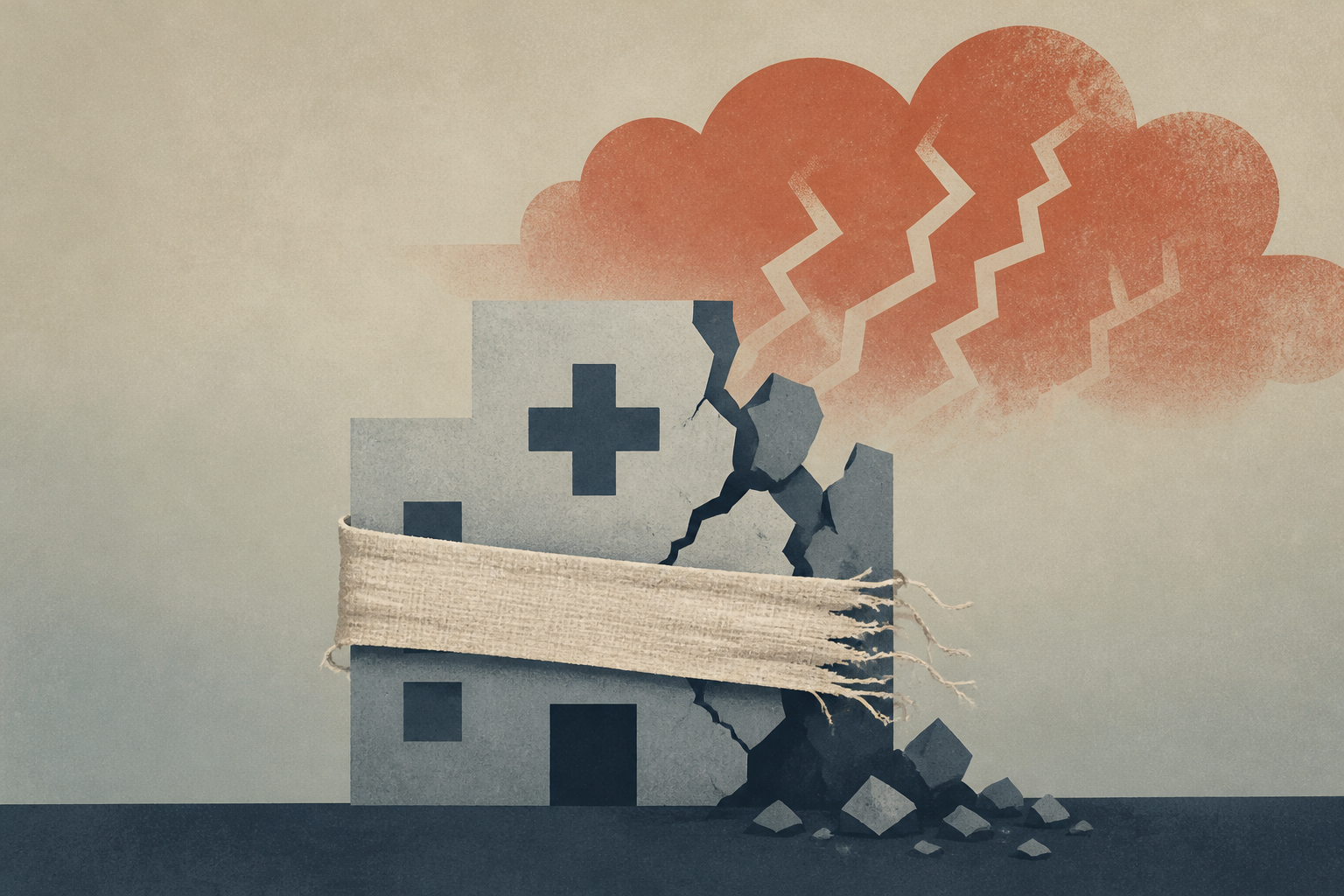
- Despite a 2022 peace agreement, attacks on health workers continued, and recent violence has caused further deterioration, with many healthcare professionals fleeing the region and hospitals being looted, raising fears that the healthcare system is overwhelmed and unable to cope with the renewed conflict.


