AI Image
A single-cell atlas of human neutrophils reveals neutrophil heterogeneity across health and disease
Nature • • health
Key Points:
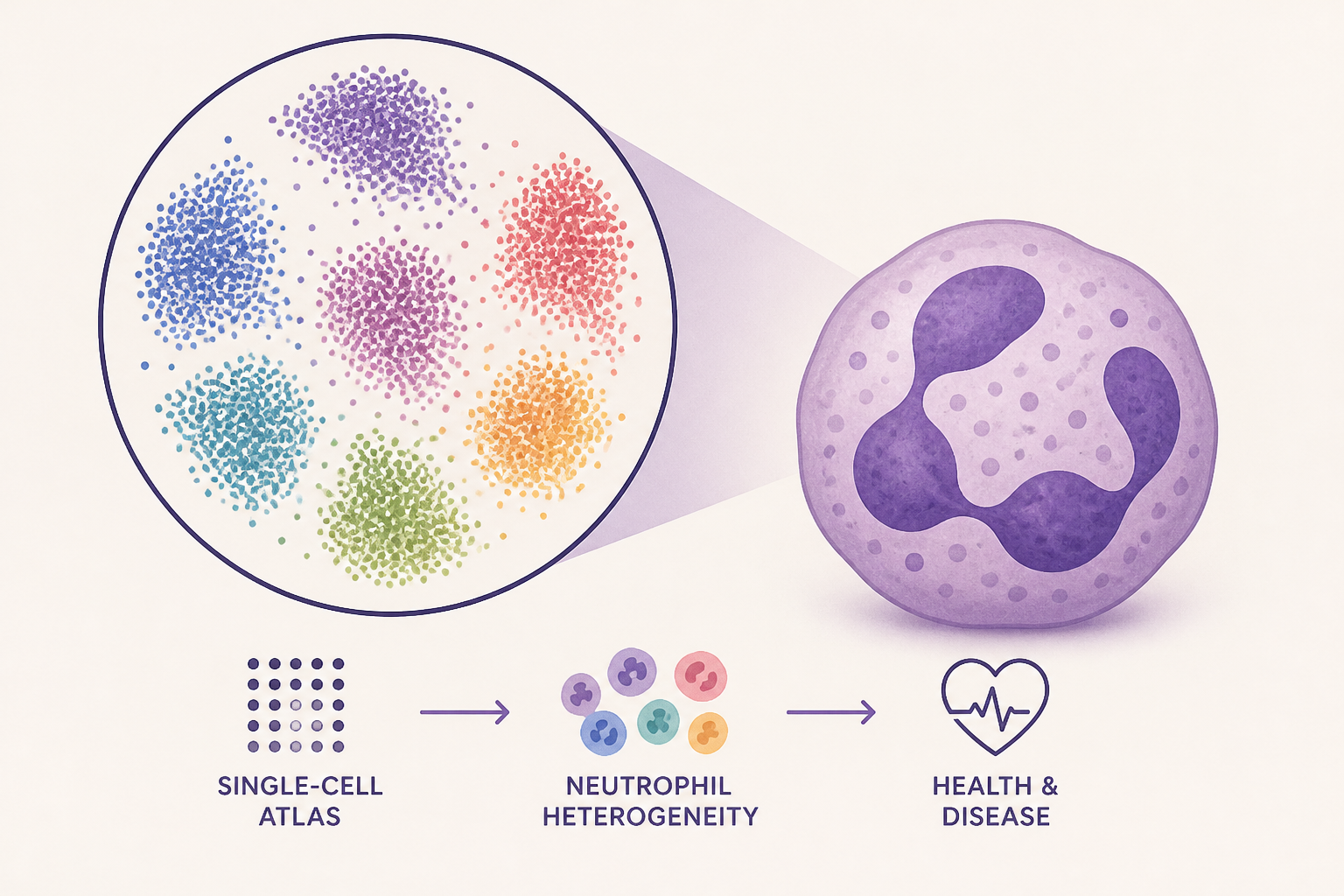
- Researchers created the Single-Cell Atlas of Human Neutrophils (SCAHN) by integrating 1 million neutrophils from 781 samples across 43 datasets, covering multiple tissues, diseases, and sequencing platforms, revealing diverse neutrophil subsets categorized by maturity, granule content, interferon response, and cytokine/inflammation profiles.
- The study identified distinct neutrophil subsets with specific gene expression signatures linked to disease states; immature granule-containing subsets were elevated in severe infections like COVID-19 and sepsis, while cytokine/inflammation subsets were enriched in cancer tissues, correlating with immune cell compositions and patient outcomes.
- Cross-species comparison showed conserved neutrophil transcriptional programs between humans, mice, and nonhuman primates, but also highlighted species-specific differences in granule gene expression and inflammatory mediators, enhancing understanding of neutrophil biology across models.
- Analysis of demographic factors revealed sex differences in neutrophil signatures, with males showing higher immature neutrophil scores and females higher interferon-related signatures; age, BMI, and smoking also influenced neutrophil states, linking these factors to immune function variability.
- Neutrophil-specific gene signatures correlated with metabolic risk markers and predicted clinical outcomes, including diabetes progression, cancer diagnosis, and all-cause mortality, underscoring the clinical relevance of neutrophil heterogeneity and potential for guiding therapeutic strategies.


